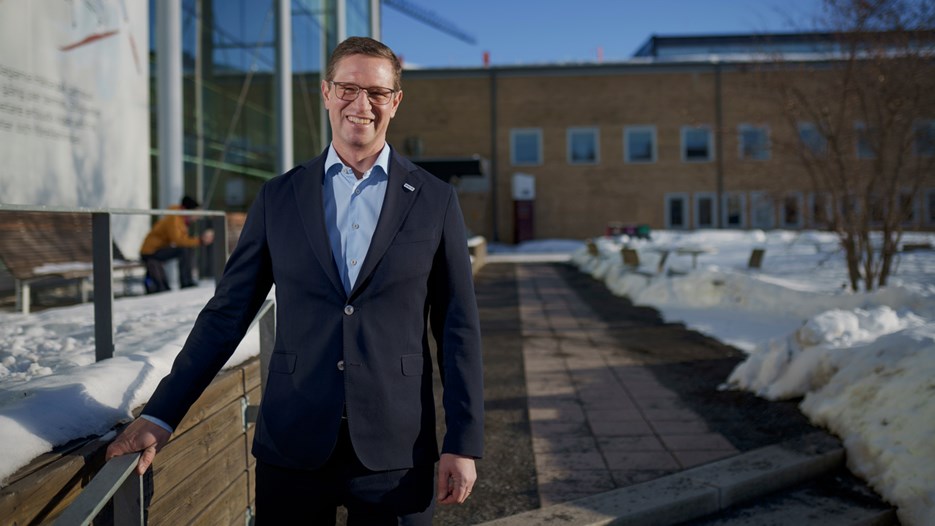

Alumnus and CEO of Grant Thornton Sweden: “Contribute and do things together”
PROFILE
Campus visit on the theme of navigating as a business in a changing world.
Image: Mattias Pettersson
The education from Umeå School of Business, Economics and Statistics became the entrance to a leadership journey that today entails the role of CEO at Grant Thornton Sweden
Henrik Johansson's professional journey could have ended completely differently when, after completing technical high school, he tried his luck by actively contacting managers in the construction industry and the fire department, where he saw himself being able to contribute over a long professional life. However, the timing was not right for any of the options, so a course in statistics instead became the entrance to what ended up in a master's degree in business administration with a focus on accounting and finance.
When you look back today, what was it about the business subjects that attracted you?
– I thought economics was really fun to read, the most fun subject. It gave a deeper understanding of how society works, how different patterns are affected by different factors – both internationally and nationally. I usually say that “it was only then that I understood the economic news on TV for the first time”. Business administration was fun because it focused more on the company, which gave me an understanding of the business world and entrepreneurship. Economics and business administration are a good combination that gives perspectives from different sides.
Can you give me an example of what you have taken with you from your education into working life?
– When I look back on my studies, I think of two important things that I take with me. The studies triggered the desire to constantly learn something new, curiosity. That is something that I really have with me from my studies. The second was the realization that there are always more perspectives than one, and by being curious about different perspectives you often reach better solutions. It also strengthened the ability to be critical of sources – to have a mindset that “There are always two sides to a story” – is good.
Contributing and doing things together
Growing up in the archipelago community of Holmsund outside Umeå was characterized by an active spare time with sports and outdoor life, something that shaped Henrik's view of teams, collaboration, leadership and life balance both during his childhood and today.
Your search for a platform to contribute to through your professional life landed after your studies in the accounting and auditing industry, in what way did it resonate with your vision of what you wanted to do in your professional life?
Henrik Johansson, Alumnus and CEO of Grant Thornton Sweden
ImageMattias Pettersson
– I have always enjoyed being part of a team. Being someone who contributes and at the same time doing things together with other people. I get energy from being in a context where you set challenging goals and then take on the challenge together. For me, the auditing and consulting industry is perfect. You work in a team together and at the same time the team supports entrepreneurial companies to create more sustainable development.
When did you discover your interest in leadership?
– In the profession, the leadership role has grown on me, but I have probably always been a person who has tried to bring many people together to do things better.
– Regardless of whether it was private, sports teams that I played for or associations that I was involved in. I think it is genuinely fun to do things together with others. Personally, I like to drive development, and I am not afraid of a little resistance. I will not belittle the fact that I am a competitive person. At Grant Thornton, I have always seen myself as part of a team. In a team, you should both challenge and support each other, and that also applies to me as CEO.
Do you have any lessons from your leadership role that you can share?
– Together we always become stronger and we also get more perspectives. I believe a lot in setting goals that are challenging. Start with having a vision of what you want to do and why. This also includes being clear about what you do not want to happen. Then you have to know or understand where you are, which sounds obvious. Despite that, many people forget the importance of really knowing where you are starting from.
– The third thing is to be open and curious about the journey towards the vision. Test, learn, correct and test again. If you want to get the power out of a team, everyone needs to understand this. Then it's about getting a feeling and a willingness to contribute. When it's in place, you can start doing. This is a lesson I've learned, when you don't have these three parts in place, you won't get the team on board, there will be neither commitment nor curiosity.
The third is to be open and curious about the journey towards the vision. Test, learn, correct and test again. If you want to get the power out of a team, everyone needs to understand this.
During his visit on campus, Henrik gave a lecture to a packed auditorium on the theme of "navigating as a business in a changing world ". He gave input and reflections on how technological development and sustainability issues create both new challenges and opportunities.
Technological development gives the accounting and auditing industry new opportunities to more effectively collect and analyze data. The focus in the customer relationship is thus increasingly shifting to creating customer value through dialogue.
What is your advice for today's students when it comes to relating to AI and technological developments?
– Technology will become an enabler in all industries. I think it is important to take the time and understand how technology can help. Where is value created and where will interpersonal contact continue to be important. Monitoring the development around this and being curious and inquisitive is good. That said, I believe that interpersonal aspects will become relatively more important when technology frees up time in work processes. Therefore, one's own self-leadership will be something that one should work on and develop.
– In the area of sustainability, the EU's Sustainability Reporting Directive (CSRD) has focused on companies' non-financial reporting, which creates new customer needs that Grant Thornton and the accounting and auditing industry are preparing to meet.
How will the increased expectations for non-financial reporting affect the industry?
– When it comes to ESG and the transformation we are seeing, it will affect all industries and businesses. There are great opportunities here for those who start early from their business idea and business model to adapt and take advantage of the opportunities that arise. That said, there will be expectations for those working as finance managers in various roles to understand and follow both financial and non-financial figures. As a future business graduate, you will not be relevant if you “only” understand and act on financial key figures and their development. You need to understand non-financial ones just as well or better as they have a major impact on the business.
What other advice would you like to give to students studying at the business school today?
– I would be happy to send you 3 tips:
To start with, continue to be curious – constant learning will be the key to being successful in professional life. Take your time and be curious about your surroundings – you learn a lot from other people and new or more perspectives.
Secondly, think about your own driving forces. When do you get energy, when is it fun or hard and why? For me, it was important to work together with other people in a team.
Finally, I would like to say dare to say YES! When someone asks you, the person has already assessed that you have what it takes. That said, it is always right to ask for help!
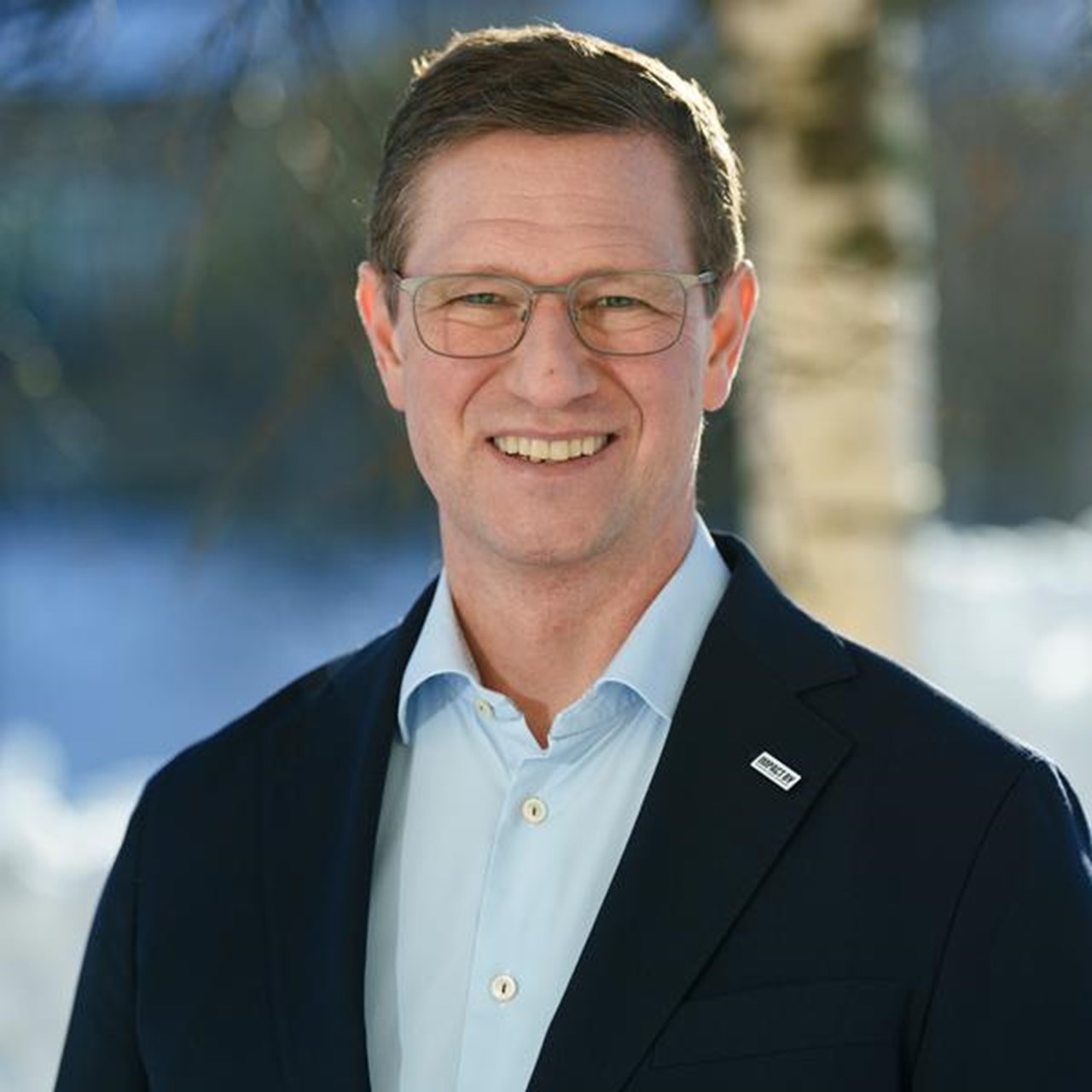
Henrik Johansson, Alumnus and CEO of Grant Thornton Sweden
Image Mattias Pettersson
In conclusion, you have chosen to remain in Umeå/Holmsund your entire career and still today as CEO, what advantages do you see in having the Umeå region as your home base?
– It is true that I remain based in Holmsund. I really love being outdoors, all seasons and all weather. For me, it is relaxation and time for recovery and reflection. I like the balance between, for example, being in the middle of an intensive project and then alternating with being by yourself far up in the mountains. In addition, I think that Umeå is an incredibly nice region that has constant positive development and a range of options for all tastes. This applies to both business and society. Whether you like sports, outdoor activities, culture or food, there is a lot to experience.