

FEATURE “What does the research say about this?” There is a growing expectation that practice and decision-making should be grounded in evidence. One way to do that is through systematic reviews – and Umeå University Library supports researchers through its search consultation service.
Magnus Olsson and Mattias Lennartsson are two of the librarians who support researchers with systematic reviews. Working closely with the researcher, they help develop and document a systematic search using a predefined method.
Anna Blind, an orthopaedic specialist in foot and ankle surgery, turned to the Library for support with a systematic review on foot surgery and problems at the Achilles tendon insertion. She and her research group are mapping the current evidence and, if enough comparable studies are available, will move on to a meta-analysis.
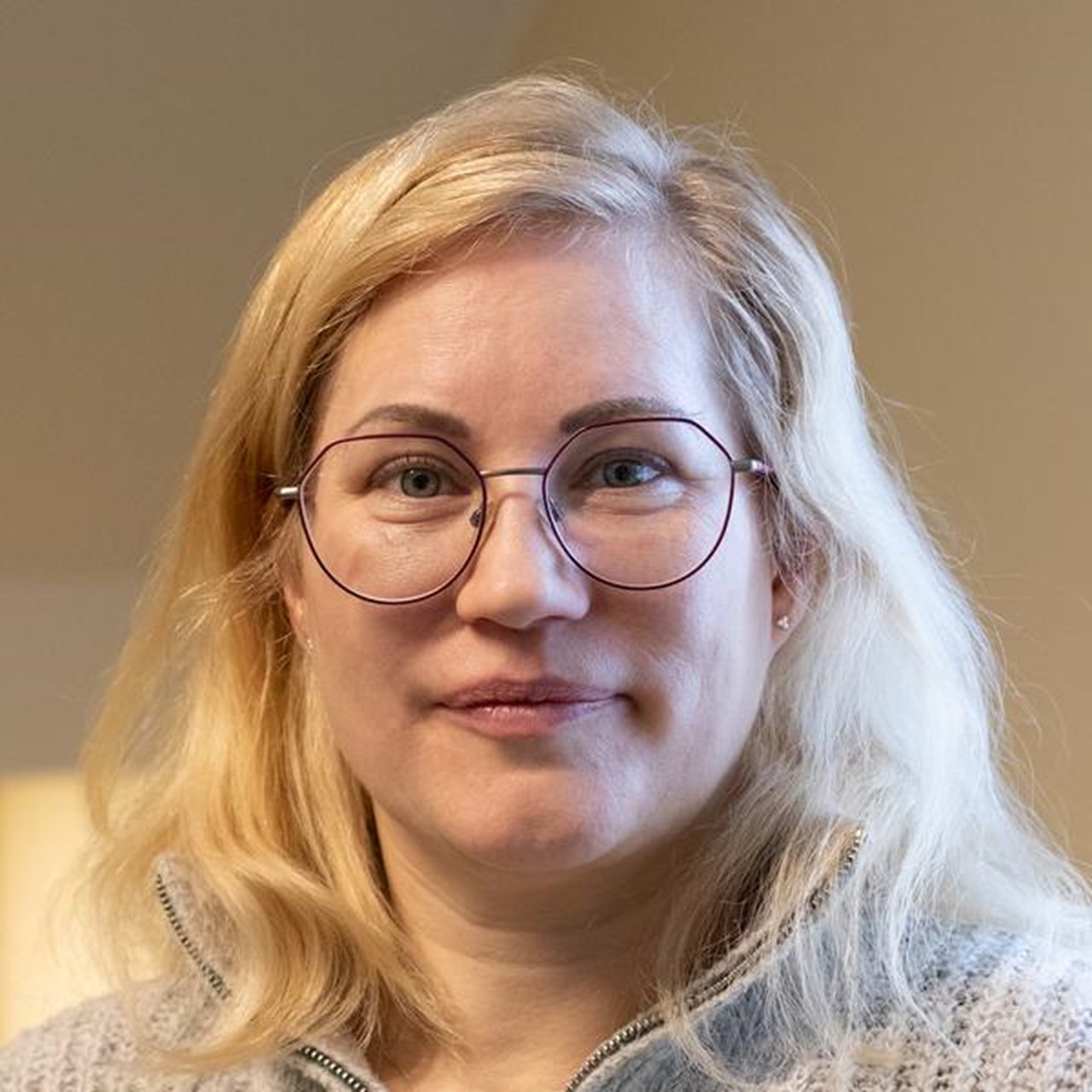
Anna Blind
ImageLinus Talltjärn“As a clinician, I have neither the time nor the expertise to do a proper search. Without the Library’s support, it would have taken much longer – and the results would have been poorer,” she says.
According to Magnus Olsson, the work begins with a search consultation, where the librarian and researcher agree on a search strategy and define the scope of the question.
“We are not subject specialists, so dialogue is essential. Researchers need to understand how the systematic search has been carried out, and we need their input to validate that we’ve captured the right concepts,” says Mattias Lennartsson.
Anna Blind recalls one occasion when the librarians were able to spot an issue in the search at an early stage.
“The librarians understand how searches behave. In my case, the search returned too many results because some search terms were too broad. If I were to do more large, complex searches, I would ask for search support again. Searching is a craft,” Anna Blind concludes.
Hsing-Fen Tu is a postdoctoral researcher at the Department of Applied Educational Science. Her research focuses on cognitive development and learning-induced brain plasticity, and systematic reviews are one of the methods she uses to address her research questions.
Twice, she has collaborated with colleagues in Germany and Sweden on systematic review projects that required extensive systematic searches across multiple disciplines and databases. In both projects, they worked closely with Umeå University Library.
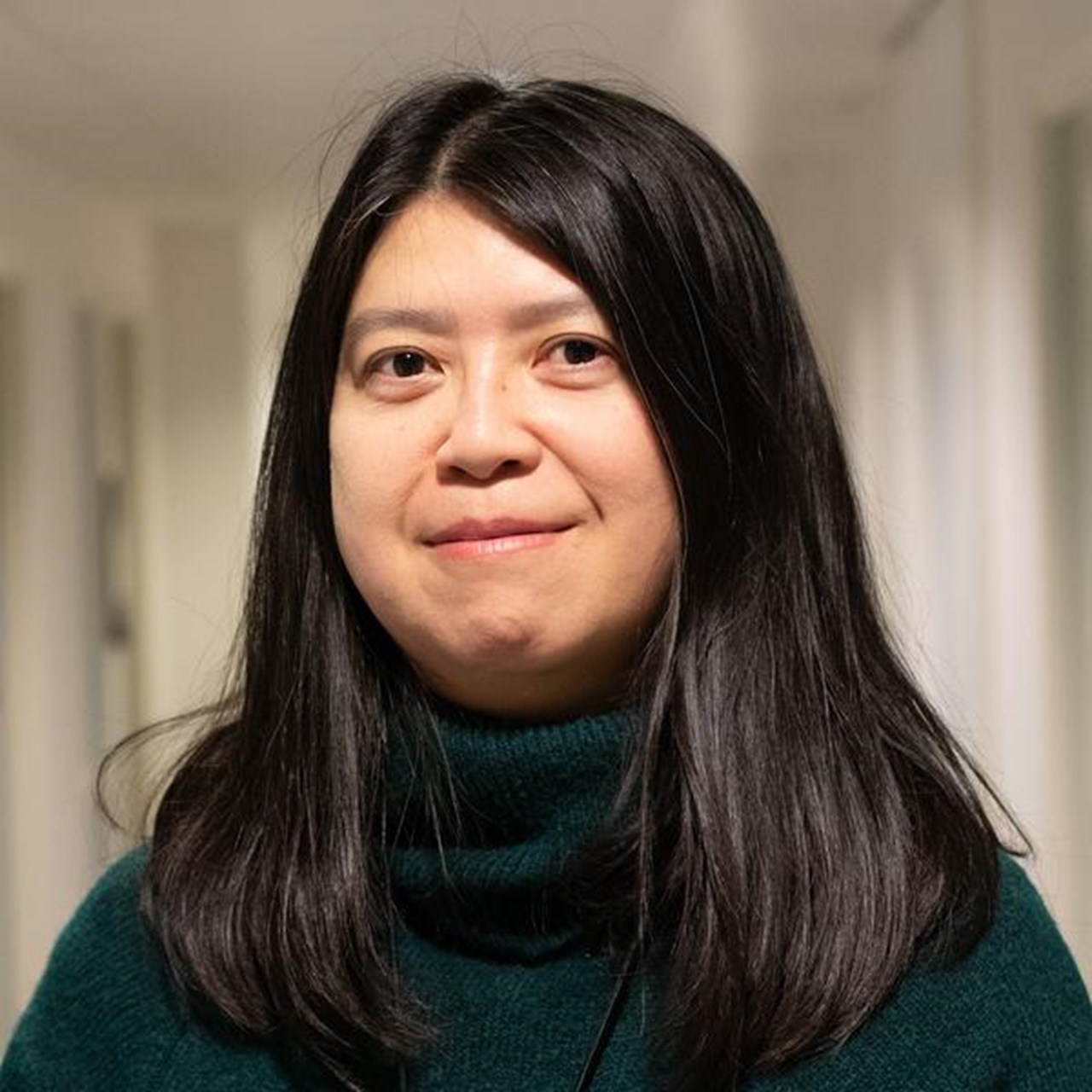
Hsing-Fen Tu
ImageLinus Talltjärn“I especially appreciated the team’s efficient communication and professional support. The librarians’ expertise contributed greatly to both the quality of the work and the success of the projects. I see the Library as an important research partner, particularly for complex evidence synthesis. It has been a very positive experience,” says Hsing-Fen Tu.
She also values the smooth process, including the option to meet online when needed.
“Being able to meet online is vital. It meant that my research colleagues in Germany could easily join meetings with the Library – and international collaboration is common,” says Hsing-Fen Tu. With the Library’s support, she felt the search process moved faster and was carried out more thoroughly.
Oscar Rantatalo, Professor at the Unit of Police Studies, says he and his research group worked with the Library for several months on a systematic review. Their research looks at what it is like to work as a police officer in internet-related cases involving sexual offences against children. Through ongoing dialogue, the Library helped them define the scope and develop search strings. The initial search returned around 700 results, which were then narrowed down to roughly 30–40 articles.
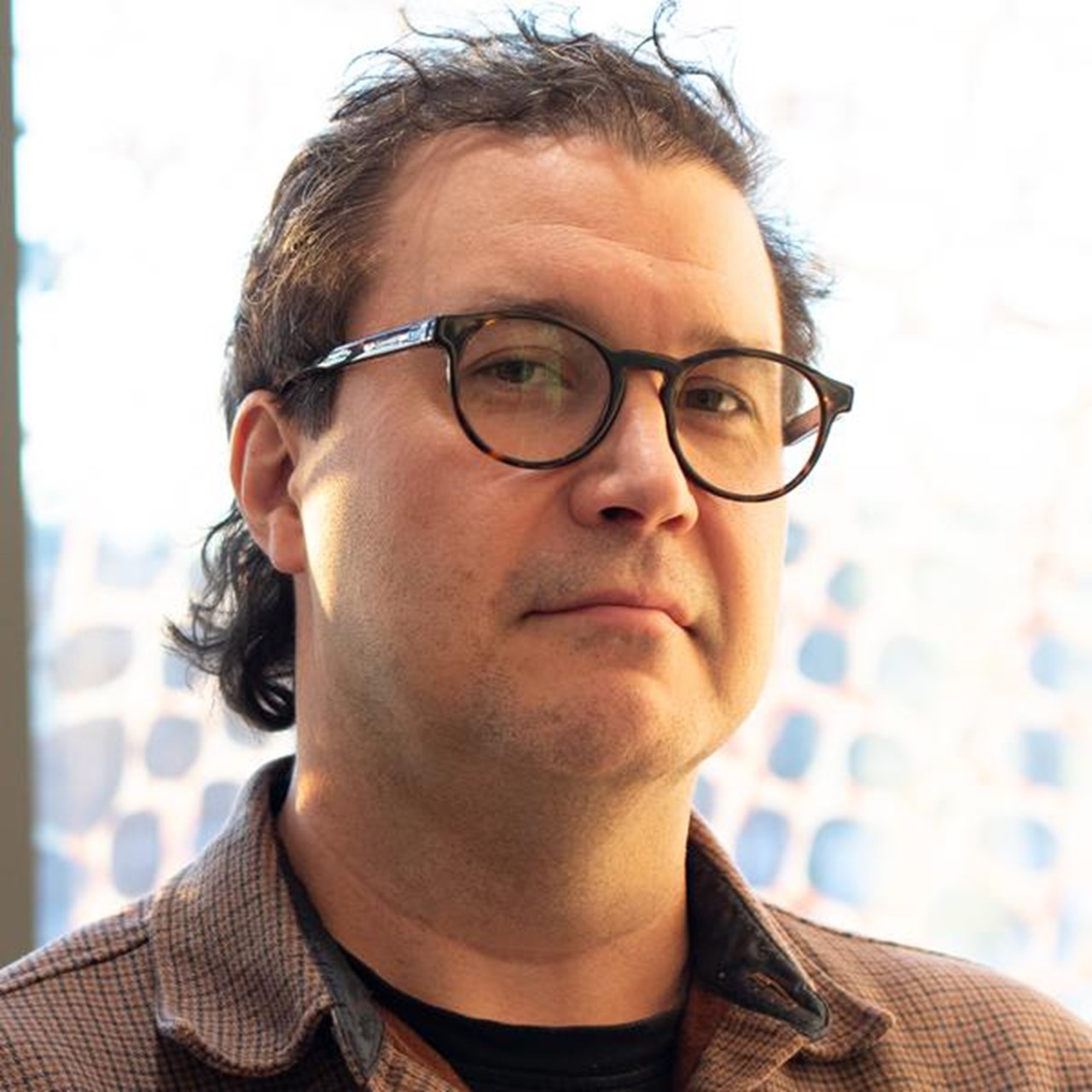
Oscar Rantatalo
ImageLinus Talltjärn“Later on, we asked the Library to run a supplementary search. As time had passed since our first search, it felt reassuring to update it – and to know we hadn’t missed anything in the field,” says Oscar Rantatalo.
Mattias Lennartsson says supplementary searches are common, because a lot can happen in a field over a short period of time. Depending on capacity, search consultations and systematic search work are shared between several librarians.
“The pace of publication is increasing in every subject area, and if you want an overview you need a review. We encourage anyone requesting a search consultation to contact us well in advance, as none of us works on this full-time – search assignments sit alongside other duties,” says Magnus Olsson.
“There is huge variation between assignments, and it’s rewarding to be able to contribute to higher quality in the research process. At the Library, we want to be a hub that supports research – and the assignments also help us develop our own expertise,” says Mattias Lennartsson.
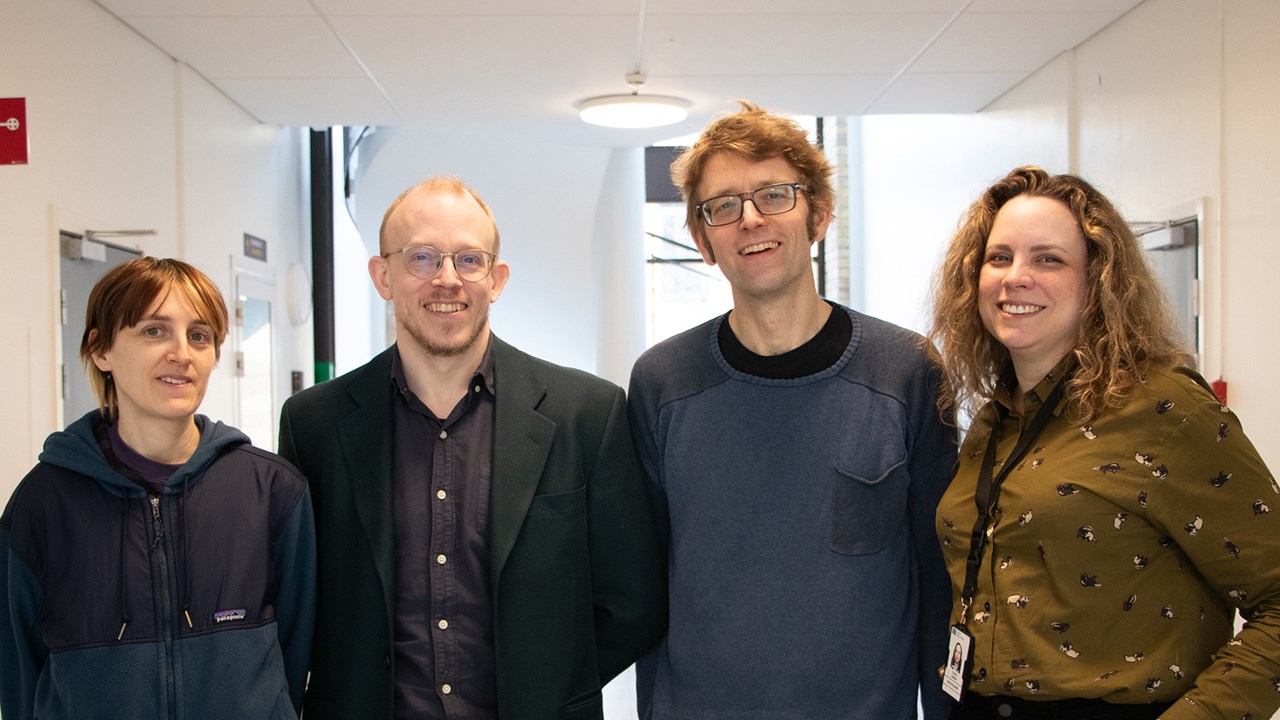
Some of the librarians that work on systematic reviews at Umeå University Library.
ImageLinus Talltjärn