

NEWS How are strong collaborations built between researchers from different disciplines? At Abisko Scientific Research Station, 29 early career researchers gathered to practice working across disciplinary boundaries and understanding each other’s research.

The collaborative spirit extended far beyond the workshop sessions. Together, the participants cut a hole in the ice to cool off after a sauna.
Image Emil AndersenClimate change, shifting ecosystems, and societal change in the Arctic affect the environment, communities, and economies at the same time. Understanding these challenges often requires knowledge from several research fields working together. At the same time, many researchers mainly work within their own disciplines, using their own methods and scientific language.
That was the starting point for the CIRC Early Career Interdisciplinary Workshop in Abisko. The workshop brought together researchers from Umeå University, SLU Umeå, Uppsala University, and the University of Gothenburg, among others. The event was organised by researchers from the Department of Ecology and Environmental Science at Umeå University with support from the Climate Impacts Research Centre, CIRC.
– Many of today’s research questions and funding calls require collaboration across disciplines. That is why it is important that researchers early in their careers have opportunities to meet and develop an understanding of each other’s perspectives and ways of working, says Keith Larson, Director of the Arctic Centre at Umeå University.
An important part of the workshop focused on making research easier to understand for people from other disciplines. In the application process, participants were asked to describe their research using only the “one thousand most common words”. The goal was not to simplify the research itself, but to make it understandable to researchers from other fields.
During the week, participants took part in exercises where they explained key concepts to each other, discussed shared challenges, and developed new research ideas together. The workshop concluded with a “collaboration challenge”, where groups rapidly developed interdisciplinary research proposals.
The exercises highlighted how researchers often work on similar questions, while using very different methods and language depending on their discipline. A central part of the workshop was therefore finding shared ways to understand each other and work together.
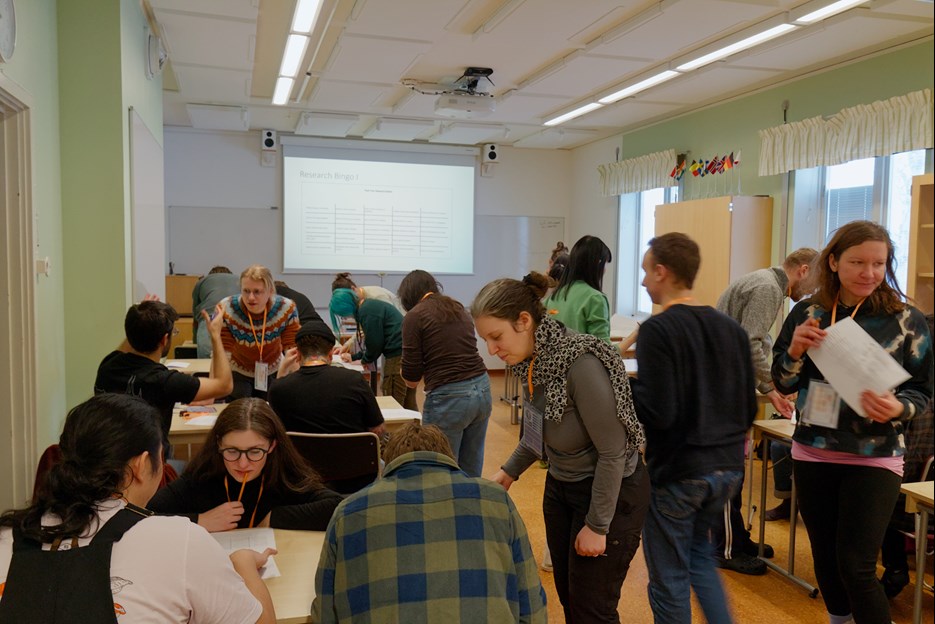
Participants worked closely together throughout the week.
Image Emil AndersenThe week also showed that interdisciplinary collaborations need both time and spaces for people to meet. In addition to seminars and group exercises, participants were introduced to the research environment in Abisko through presentations at Naturum Abisko Visitor Centre.
These presentations became a way to test research ideas outside participants’ own disciplines and practice making their research relevant and understandable to a broader audience.
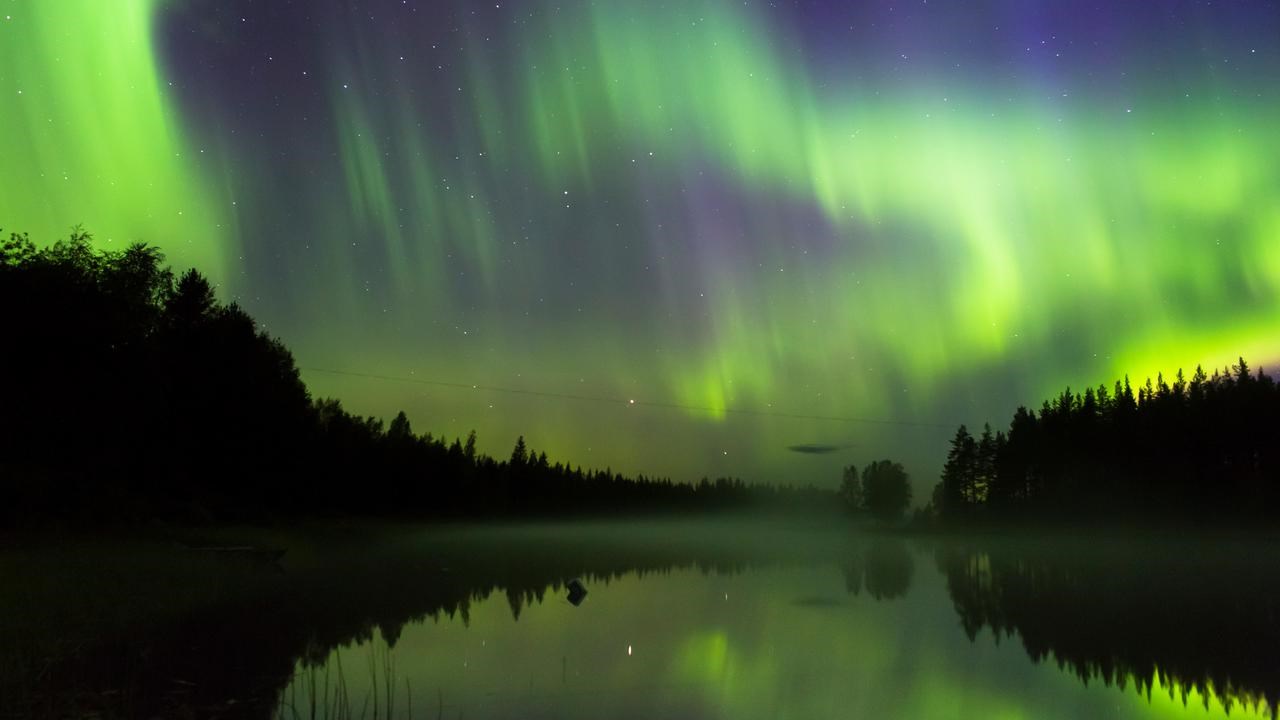
Aurora borealis.
ImageJohnér Bildbyrå AB, Matilda HolmqvistThe workshop also created space for conversations and shared experiences outside the formal programme. These informal moments often help accelerate new ideas and collaborations.
For many participants, the week in Abisko became a first step towards new research networks and future collaborations across disciplinary boundaries. At the same time, the workshop highlighted something becoming increasingly important in research: complex societal challenges often require both specialised expertise and the ability to work together across disciplines.