

"False"
Skip to content
printicon
Main menu hidden.
Published: 2026-08-12

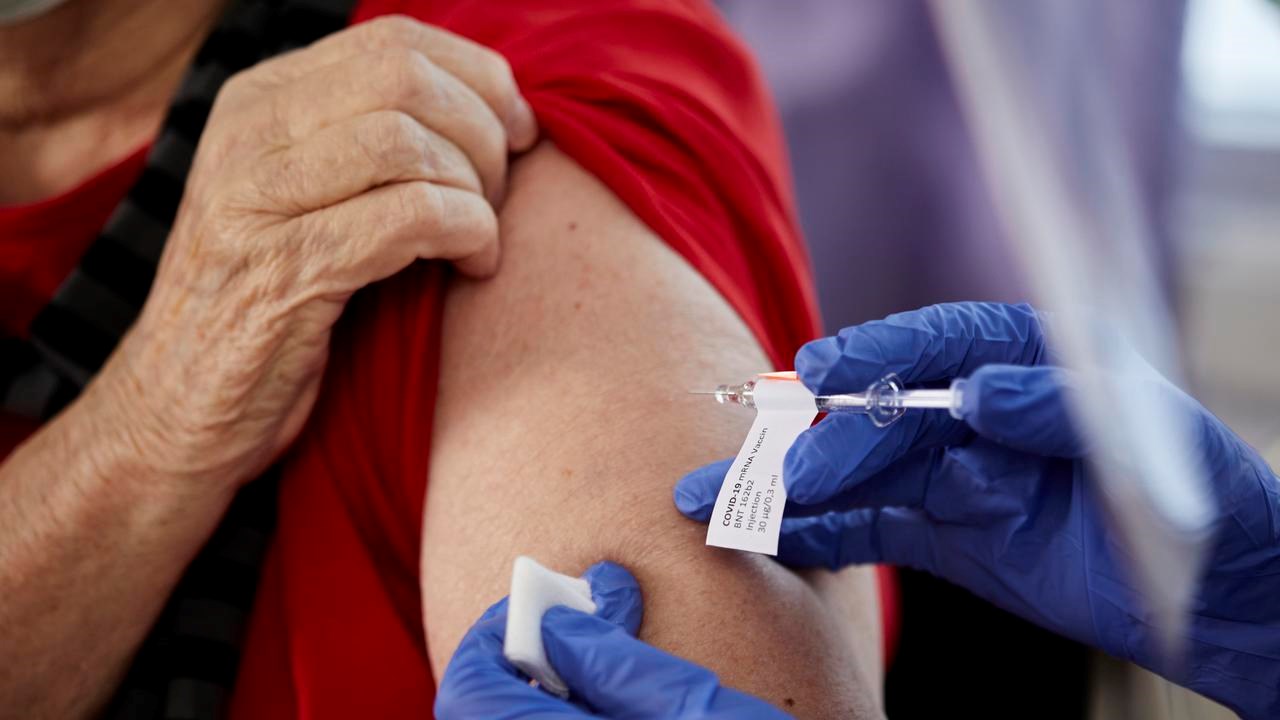
High-risk groups forgot vaccination despite it being free

NEWS Although influenza and COVID-19 vaccination are offered free of charge to people at increased risk of severe illness, many still choose not to get vaccinated. A new study from Umeå University shows that the main barriers are not financial or related to distance from vaccination services. Instead, those most likely to forgo vaccination were younger individuals, men, smokers, and people with reduced independence.

We were surprised to find that where people live played such a small role

“We were surprised to find that where people live played such a small role. This means we need to target our efforts more towards the groups that continue to opt out of vaccination,” says Urban Johansson Kostenniemi, infectious disease physician and researcher at the Department of Clinical Microbiology at Umeå University.

Influenza and COVID-19 continue to cause substantial illness and mortality among older adults and people with chronic diseases. Vaccination is therefore recommended for individuals in medical risk groups and is provided free of charge in Sweden.

In the study, researchers investigated factors influencing vaccination uptake among high-risk groups in northern Sweden. A total of 600 adult patients from University Hospital of Umeå were included, of whom 450 were recommended vaccination against both influenza and COVID-19.

Among those who were recommended vaccination, uptake was 52 percent for influenza and 54 percent for COVID-19, somewhat lower than the average in Västerbotten County. Those most likely to forgo vaccination were younger individuals within the risk groups, men, smokers, and people who required assistance with everyday activities from home care services. Surprisingly, characteristics of the local environment played only a minor role. Differences in educational attainment, economic conditions, and geographic location were not associated with vaccination uptake to any substantial extent.

“We were also surprised that people with multiple health conditions were not vaccinated more frequently than those with only one risk factor. This suggests that many people are unaware of how the overall risk increases when several medical conditions occur at the same time,” says Urban Johansson Kostenniemi.

The study is based on patient interviews, medical record data, and information from national registers. Researchers examined both individual and societal factors to gain a more comprehensive understanding of what influences vaccination decisions.

The findings may help improve the targeting of future vaccination efforts. Suggested measures include clearer information for high-risk groups, particularly for people living with multiple health conditions who face an especially high risk of severe disease, as well as opportunities to receive multiple vaccinations during the same healthcare visit.

“If we can increase awareness of risk among the most vulnerable groups while also making vaccination as convenient as possible, there is great potential to improve protection against serious illness,” says Urban Johansson Kostenniemi.

About the scientific publication:


Grape L, Persson W, Sergejev A, Vihtari Hansson S, Gyllencreutz L, Togstad H, et al. Determinants of seasonal influenza and COVID-19 vaccine uptake in high-risk individuals in northern Sweden. Human Vaccines & Immunotherapeutics. 2026;22(1):2688595.

https://doi.org/10.1080/21645515.2026.2688595

For more information, please contact:

Urban Johansson Kostenniemi
Associate professor
E-mail
Email