

"False"
Skip to content
printicon
Main menu hidden.
Published: 2026-10-15

Seven days through Sápmi brought new Arctic perspectives

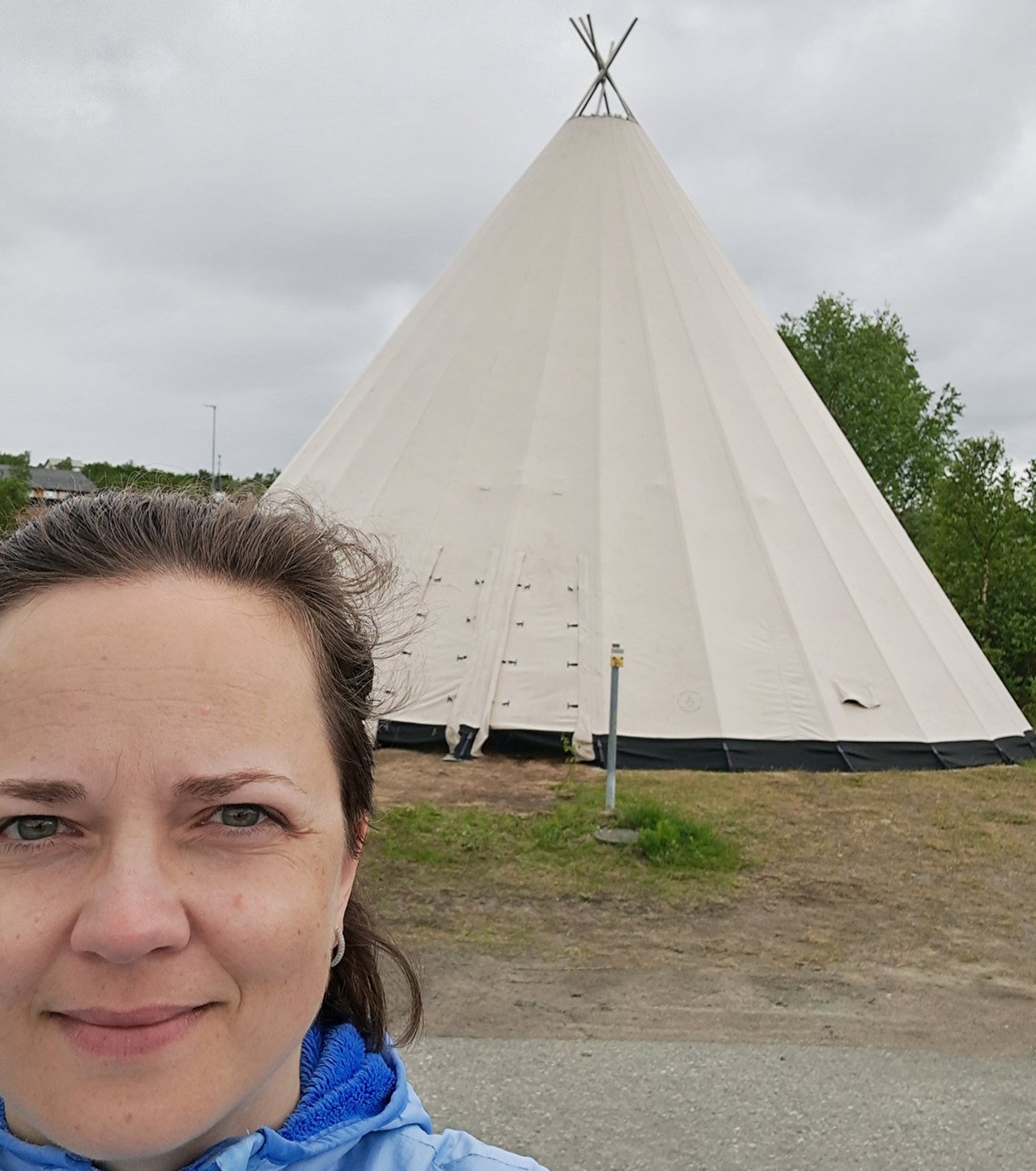
NEWS What can researchers learn about the Arctic by travelling through it together? Tatyana Sarayeva, associated with the Arctic Centre at Umeå University, joined 29 other participants from 18 countries for the Calotte Academy 2026. The seven-day journey through Sápmi offered a different kind of academic experience – combining research discussions with encounters with people, places and perspectives across the region.

Between 8 and 14 June, researchers, students and practitioners travelled through northern Finland, Sweden and Norway, visiting places including Rovaniemi, Kiruna, Tromsø and Kautokeino.

Among them was Tatyana Sarayeva, project coordinator at the AI Policy Lab at Umeå University and associated with the Arctic Centre.

The journey was part of the Calotte Academy, an annual travelling symposium often described as a “school of dialogue”. Unlike a conventional academic conference, discussions continue beyond formal sessions – on the bus, during visits and in encounters with people living and working along the route.

For Sarayeva, this combination of academic exchange and firsthand experiences was what made the Academy distinctive.

– The conversations didn't stop when the sessions ended. We continued discussing ideas on the bus, during visits and in everyday encounters. It helped me connect academic perspectives with the places and people we were learning about, says Tatyana Sarayeva.

A travelling classroom

Over seven days and more than 4,000 kilometres, participants encountered different perspectives on Arctic societies, cultures and development.

Each stop offered new perspectives. In Kiruna, participants explored the town's relocation in connection with mining, while visits to cultural institutions in Tromsø and Sámi institutions in Kautokeino brought different dimensions to the discussions. In Inari and Ivalo, meetings with local authorities, a visit to the UTAC testing facility, and time spent at the Sámi Museum Siida and in Vasatokka combined formal and informal experiences, an important part of the Academy's approach to learning.

For Sarayeva, these encounters added dimensions to the academic discussions that would have been difficult to experience in a traditional conference setting.

The long bus journeys also became an important part of the programme, allowing participants from different countries and disciplines to exchange experiences, challenge perspectives and continue conversations between destinations.

Whose knowledge counts?

The theme of the 2026 Academy was “Intelligence”, explored through topics ranging from artificial intelligence and geopolitics to environmental change and Indigenous knowledge.

For Sarayeva, whose work is connected to AI, discussions about Sámi knowledge were particularly thought-provoking.

Working with local and Indigenous knowledge means involving communities from the beginning, not simply adding their perspectives afterwards.

They raised questions about whose knowledge is recognised, how different forms of knowledge are valued and what happens when knowledge rooted in specific places and relationships is translated into data.

– We often focus on what technology can do, but we also need to ask why we use it and whose needs it serves. Working with local and Indigenous knowledge means involving communities from the beginning, not simply adding their perspectives afterwards, Sarayeva explains.

The discussions highlighted how understanding complex Arctic challenges requires perspectives that extend beyond individual academic disciplines or technological solutions.

More than an academic conference

Looking back, Sarayeva describes an experience shaped as much by informal conversations and unexpected encounters as by the academic programme.

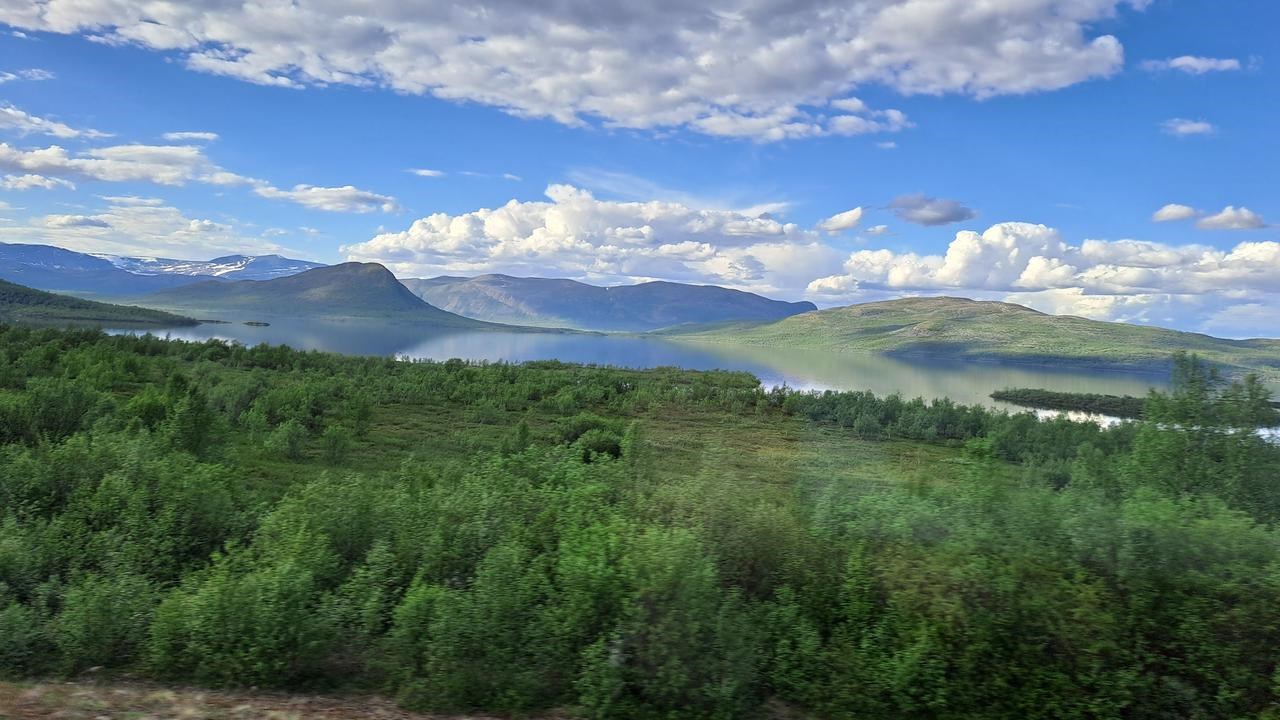
Visits to museums and libraries, conversations with local people and fellow participants, and travelling through the landscapes being discussed all contributed to her understanding of the region.

– What stayed with me was how much you can learn through dialogue and shared experiences. The Academy showed me that understanding the Arctic is not just about research and knowledge, but also about listening, connecting different perspectives and experiencing the places yourself, says Sarayeva.

For researchers and students interested in Arctic questions, the Calotte Academy offers an opportunity to explore the region through interdisciplinary dialogue, international exchange and direct encounters with Arctic communities.

Rather than simply discussing the Arctic, participants experience it together – making the journey itself part of the academic learning.

Interested in the next Calotte Academy?

The Calotte Academy brings together researchers, students and other experts for interdisciplinary dialogue across the European Arctic. Interested in participating in a future Academy?

Learn more about the Calotte Academy and upcoming opportunities