

NEWS An unusually rapid and severe outbreak of meningitis is currently spreading in Kent, England, where around twenty people have fallen ill in just one week. Urban Johansson Kostenniemi, infectious disease physician and researcher at Umeå University, studies this type of illness in his daily work and is keeping a close eye on the situation.
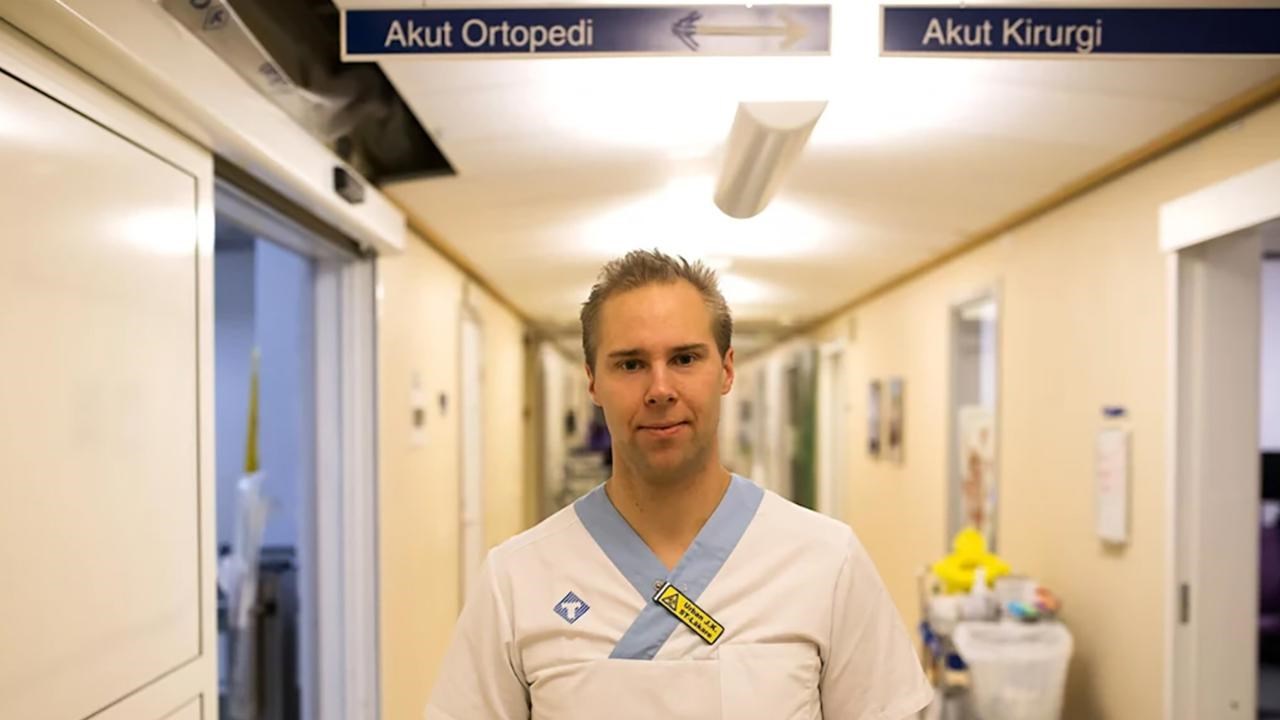
Urban Johansson Kostenniemi, infectious‑disease physician and researcher at Umeå University, describes an outbreak where both the speed of transmission and the severity of disease raise serious concerns, and where early symptoms are easily mistaken for something far more benign.
ImageRegion VästerbottenOne of Johansson Kostenniemi’s key questions is whether the outbreak has reached its peak or is only just beginning. We asked him a series of follow‑up questions to better understand his view of the situation.
“The outbreak in Kent is very serious for two reasons: the infection is spreading quickly, and those who fall ill develop severe, life‑threatening disease.”
“The bacterium Neisseria meningitidis (meningococci) causes two major forms of serious infection: meningitis, where the bacteria attack the brain, and sepsis, where a massive immune response leads to a cytokine storm and life‑threatening organ failure. The risks are significant, one in ten patients dies, and among survivors, long‑term disabilities such as brain injury, epilepsy, memory problems, and reduced concentration are common.”
“What is most alarming is how fast it has moved. In just one week, 20 people have developed severe meningococcal disease, two of whom have died, and we may not have seen the end of the outbreak yet. Most of those affected have connections to the local university, which is roughly half the size of Umeå University.”
“The bacteria spread through respiratory droplets and through saliva. This means transmission occurs among people who spend time close together in confined spaces, for example, living in cramped student corridors or socializing in crowded nightclubs. Student parties add an additional risk: because saliva is involved, the bacteria can spread when young people kiss or share drinks, e‑cigarettes, or similar items.”
“This dual transmission route explains why outbreaks often occur in preschool‑aged children and in young adults aged 15–25, and why settings ranging from international scout camps and religious gatherings to military conscript groups can be affected. Another factor that accelerates spread is that most people who carry the bacteria never become ill themselves. These "asymptomatic carriers" can unknowingly pass the bacteria on to many others.”
"Early symptoms include headache, fatigue, and fever. These resemble everything from influenza or COVID‑19 to a hangover, and are therefore often mistaken for something harmless. It is only when more specific symptoms appear; severe fatigue, neck stiffness, reduced consciousness, or seizures, that it becomes clear something far more serious is happening.”
“The next challenge is speed: deterioration can happen terrifyingly fast, from the first symptoms to a state beyond rescue in just hours, or at most a day. If you know you've been exposed and develop a fever, you must seek medical care immediately. Otherwise, stay alert for fever combined with headache, and seek care promptly if more severe symptoms occur.”
"The disease can be prevented with vaccines. We have several different vaccines, and they provide up to 90 percent protection against illness. Their high effectiveness makes them a powerful tool during outbreaks and is the reason why people in affected areas are being offered vaccination.”
“For individuals who have already been exposed, the vaccine does not take effect quickly enough. Instead, prophylactic antibiotics are given to eliminate the bacteria before disease develops. As a preventive measure, antibiotics are highly effective.”
“For those who have already developed meningitis or sepsis, the situation is far more critical. Antibiotics are given intravenously, and patients are often treated in intensive care. Despite maximal efforts, mortality remains high.”
“In Sweden, this disease is very rare, and there is currently no indication that the outbreak in Kent has spread beyond the immediate area. The Public Health Agency of Sweden assesses the risk of spread to Sweden as low, and robust infectious‑disease surveillance systems exist at both national and regional levels.”
“We also have experience from previous outbreaks that reached Sweden, during which many individuals were called in for testing, vaccination, and prophylactic antibiotics. In that sense, our preparedness is good. However, awareness of the disease is lower precisely because it is so rare, something that increases the risk of delayed recognition.”
“Bacteria that cause meningitis, meningococci and others, might appear rare, but the opposite is true. About one in ten people carries these bacteria in the nose. Even so, the risk of becoming severely ill is almost zero. However, occasionally, particularly aggressive clones emerge.”
“It seems that these bacteria can coexist peacefully with humans for long periods until suddenly something changes. The question is: what triggers that shift?"
