

About the scientific study
Philippe Ciais, Gerard Rocher-Ros, et al. Why methane surged in the atmosphere during the early 2020s. Science, 5 February 2026. DOI:10.1126/science.adx8262
NEWS Methane rose at an unprecedent rate in the early 2020s. A new international study published in Science, with contributions from Umeå University, shows that this surge was driven primarily by a temporary weakening of the atmosphere’s ability to remove methane, combined with climate-driven increases in natural emissions in Africa, Asia, and the Arctic.
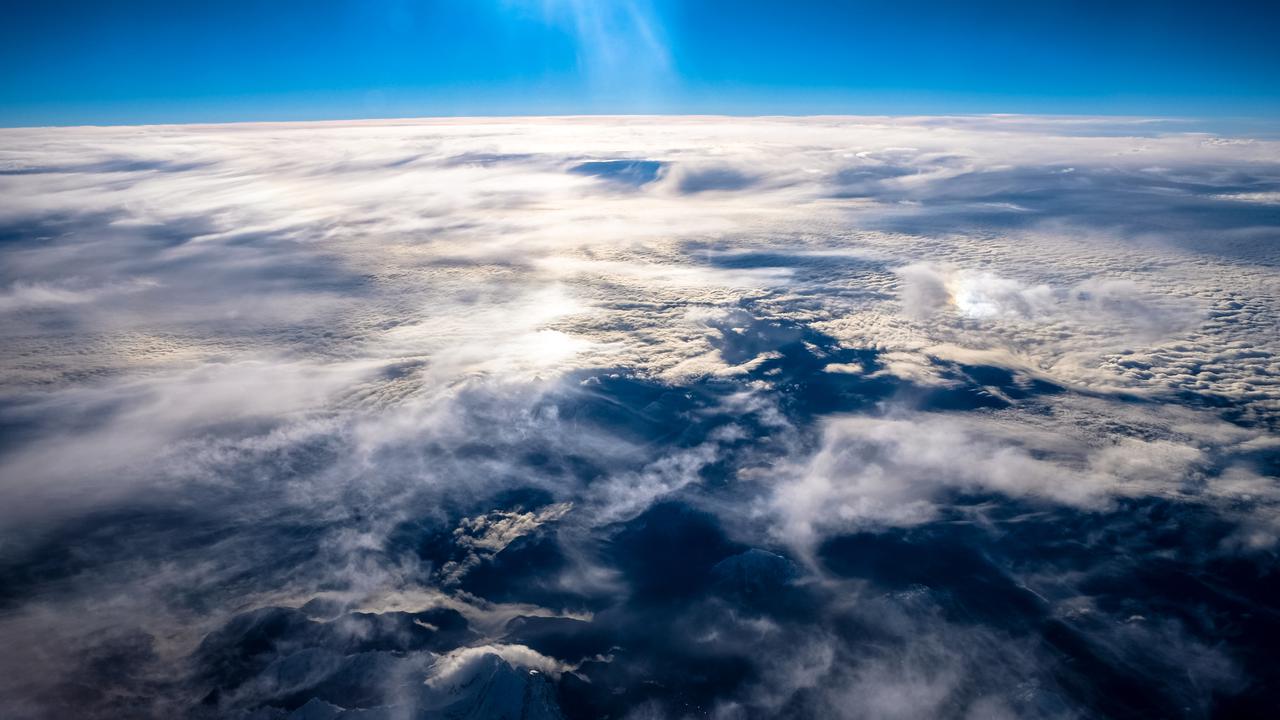
It was not primarily emissions from fossil fuels that caused the temporary increase in methane, but changes in the atmosphere combined with a wetter climate.
ImageWirestock on FreepikMethane is the second most important human-driven greenhouse gas after carbon dioxide. In the early 2020s, its levels in the atmosphere increased sharply, reaching a peak that researchers can now explain.
The atmosphere contains hydroxyl (OH) radicals that act as the main “cleaning agent”, breaking down methane. During the covid-19 lockdowns, emissions of nitrogen oxides and other air pollutants from transportation decreased. These pollutants are needed to form OH radicals through chemical reactions involving sunlight, ozone and water vapour.
When OH levels dropped, the atmosphere became less effective at removing methane, allowing it to accumulate faster.
Analyzing satellite observations, ground-based measurements, atmospheric chemistry data, and using advanced computer models, the researchers found a sharp decline in OH radicals during 2020–2021. This explains around 80 percent of the year-to-year variation in methane concentration growth. Fossil fuel emissions and wildfires only played a minor role.
Gerard Rocher-Ros, Assistant Professor at the Department of Ecology, Environment and Geoscience at Umeå University and IceLab, contributed to the study by estimating monthly methane emissions from running waters.
“This study was a great puzzle, where scientists modelling methane fluxes from different sources and atmospheric models each brought one piece, and we had to figure out how to fit them together,” he says.
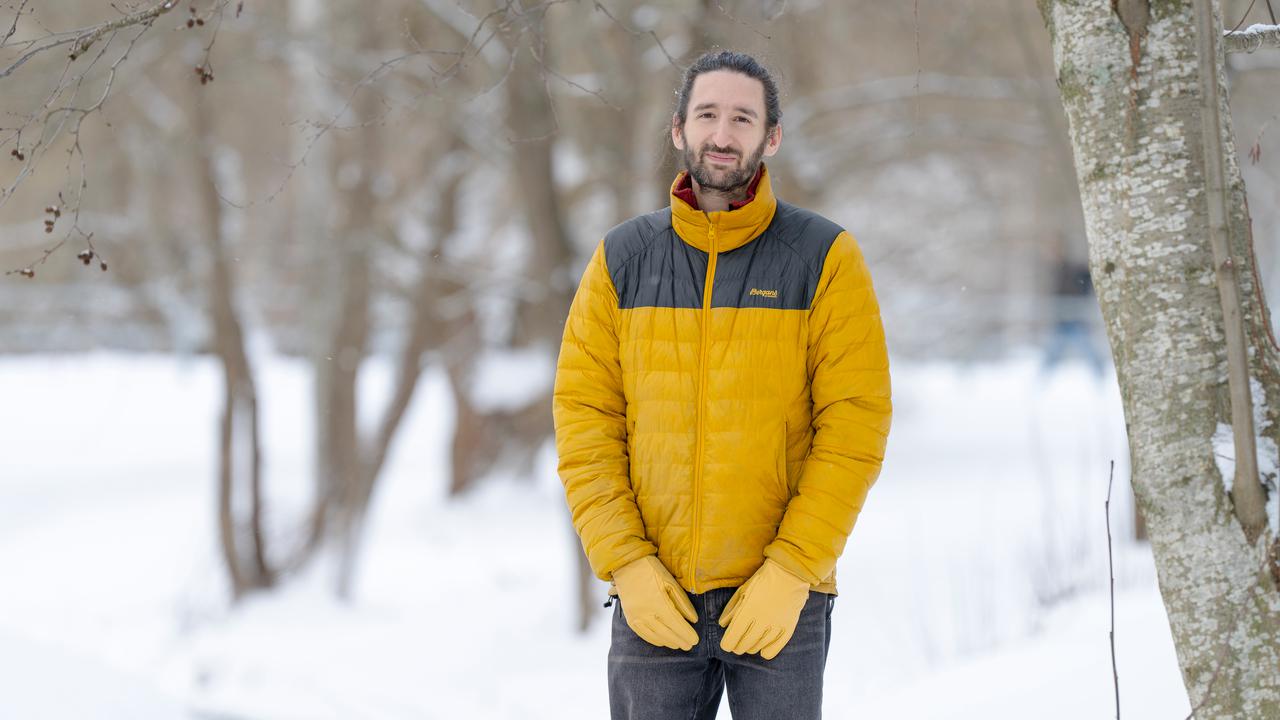
Gerard Rocher-Ros researches the water bodies' emissions of greenhouse gases.
ImageMattias PetterssonAt the same time as levels of OH radicals declined, climate variability strongly amplified methane emissions from natural sources. An extended La Niña period from 2020 to 2023 brought wetter-than-average conditions across much of the tropics, expanding flooded areas and increasing methane emissions from wetlands and inland waters, which are the largest single methane source around the world at present.
The largest increases occurred in tropical Africa and Southeast Asia, while Arctic freshwaters also showed significant growth.
The findings expose important weaknesses in current methane emission models, many of which underestimated wetland emissions during this period.
“Our current models for methane in rivers are still primitive compared to other ecosystems. My group is working on newer approaches that hopefully can help advancing science in this field, starting with Arctic, where emissions are increasing fast,” says Gerard Rocher-Ros.
The publication in Science clarifies why atmospheric methane burden rose so rapidly – and why it has recently slowed down a little bit. It also underscores that future methane trends will depend not only on emission controls, but also on air quality policies and climate-driven changes in the natural methane cycle.
“In particular, we should better monitor and understand how tropical and northern wetland emissions of methane respond to the Earth's climate, which becomes warmer and wetter,” says Philippe Ciais, lead author of the study from the Laboratoire des Sciences du Climat et de l’Environnement (LSCE) in France.
Philippe Ciais, Gerard Rocher-Ros, et al. Why methane surged in the atmosphere during the early 2020s. Science, 5 February 2026. DOI:10.1126/science.adx8262
