"False"
Skip to content
printicon
Main menu hidden.
Två man står tillsammans framför en trävägg.
Published: 2026-10-22

Tiny proteins are proving hard to ignore

PROFILE For decades, many of the smallest proteins were overlooked or dismissed as biological noise. Now researchers are discovering that these tiny molecules, known as microproteins, can influence processes ranging from plant development to immune responses in animals and humans. They are even beginning to design new ones for specific purposes.

Text: Anne Honsel
Image: Anne Honsel

Två man står tillsammans framför en trävägg.

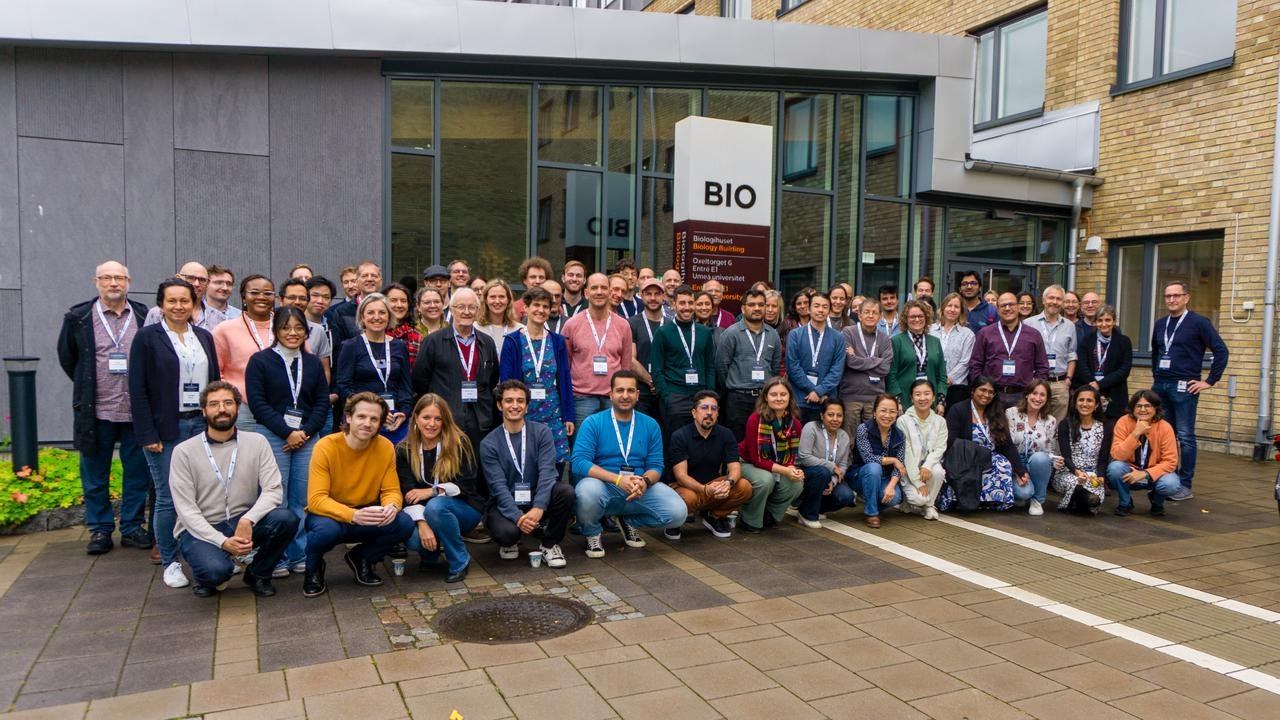
Scientists from around the world gathered at Umeå University in September for the Nobel Symposium Decoding Microproteins – From Basic Biology to Biotechnological Innovations, reflecting growing interest in this rapidly developing field.

Proteins are the molecular machines of cells. They build, repair, sense and signal, and are involved in almost everything a cell does. Microproteins are unusually short versions of these molecules, often consisting of fewer than 100 amino acids, the building blocks of proteins. Despite their size, researchers are finding that some can play surprisingly important roles.

“What makes them fascinating is that despite their size, they can plug into much larger protein machines and change how those machines behave, a bit like a small shim that changes how a big engine runs,” says Stephan Wenkel, professor at the Department of Plant Physiology and group leader at Umeå Plant Science Centre.

For the majority it is still a mystery what they do.

Too short to count

The reason microproteins remained hidden for so long goes back to the early days of genome research.

When scientists first learned to read genomes, they needed a way to distinguish genuine genes from random stretches of DNA. One practical solution was to use length. Sequences predicted to produce proteins shorter than 100 amino acids were generally considered too small to be real genes.

“That threshold was a reasonable guess, but it also meant many genuine small proteins got discarded along with the noise,” says Stephan Wenkel.

Advances in sequencing technologies and computational tools have changed that picture. Researchers can now identify many more potential microproteins and collect evidence that cells are actively producing them. But identifying candidates is only the first step.

“One of the main bottlenecks is going from large lists of potential microproteins to finding out which ones have a function in the cell and how they work,” says Iker Valle Aramburu, group leader at MIMS and the Department of Molecular Biology at Umeå University.

Tiny proteins, big impact

Although much remains unknown, researchers are beginning to uncover examples of microproteins with important functions.

Iker Valle Aramburu studies microproteins involved in innate immunity, the body's first line of defence against infection, as well as interactions between hosts and disease-causing microbes. Some have been shown to regulate inflammation, help cells engulf invading microbes and even act as natural antimicrobial agents.

“What I find particularly interesting about microproteins is that they are widespread across organisms,” he says. “For some, we know that they are powerful regulators of other proteins, but for the majority it is still a mystery what they do.”

Researchers are finding similar examples in plants.

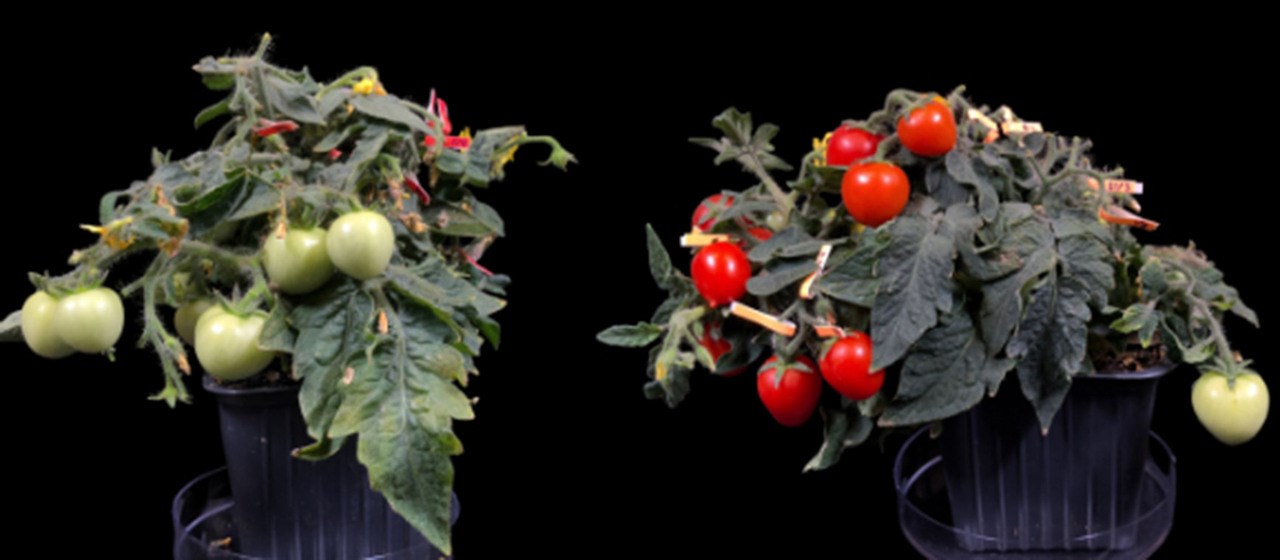
Stephan Wenkel and his colleagues have identified a family of microproteins that can instruct tomato plants to produce seedless fruit during periods of heat stress, when normal fruit production may fail. They have also discovered a microprotein involved in how plants sense and respond to light.

“Plants let us watch these small regulators reshape growth and development in real time,” he says.

These examples highlight a recurring theme in the field: molecules once considered too small to matter can have significant effects on how organisms’ function.

From discovery to design

Researchers are not only identifying naturally occurring microproteins. They are also beginning to design their own.

As scientists learn more about how microproteins work, they hope to create synthetic versions that can perform specific tasks.

“I believe the field is heading towards the design of synthetic microproteins that can modulate different cellular functions and could potentially be used as new therapies,” says Iker Valle Aramburu.

Stephan Wenkel and his group have already started designing microproteins for use in plants.

“Plants are great organisms to test the idea because you can simply look at the plant after introducing a designed microprotein and see whether it has the effect we intended,” he says.

I left the symposium feeling more confident that we are getting close to answering some of the open questions.

Different organisms, similar questions

The symposium brought together researchers working on bacteria, fungi, plants, animals and humans. Although the organisms differ greatly, participants found themselves confronting similar questions.

“The connecting theme across everyone's work is that microproteins are small but have a big impact, and that discovering them and finding out what they do is technically very challenging,” says Iker Valle Aramburu.

Whether universal principles govern microproteins across different forms of life remains unclear. Too few have been studied in detail to know. Much remains to be discovered about the diversity of these small proteins and their functions.

“There are still many open questions about what microproteins do and how they work, but I left the symposium feeling more confident that we are getting close to answering some of them,” says Stephan Wenkel.

For more information, please contact:

Stephan Wenkel

Iker Aramburu