

About the study
Tao Luo, Tao Chen, Tra My Bui Thi, James Behan, Crispin Hetherington, Khalil Hanna and Jean-François Boily, A single freeze cycle redirects iron mineral transformation, Science, Vol. 393, No. 6807, DOI 10.1126/science.aee9519.
NEWS Just a few minutes of freezing and thawing can have a decisive impact on how ferrihydrite, the most reactive iron mineral in cold soils, permafrost and glaciers, transforms, according to researchers at Umeå University in a paper published in the journal Science. As climate warming intensifies freeze-thaw cycles and extends them into new regions, ice is becoming an increasingly important driver of Earth's ecosystems.
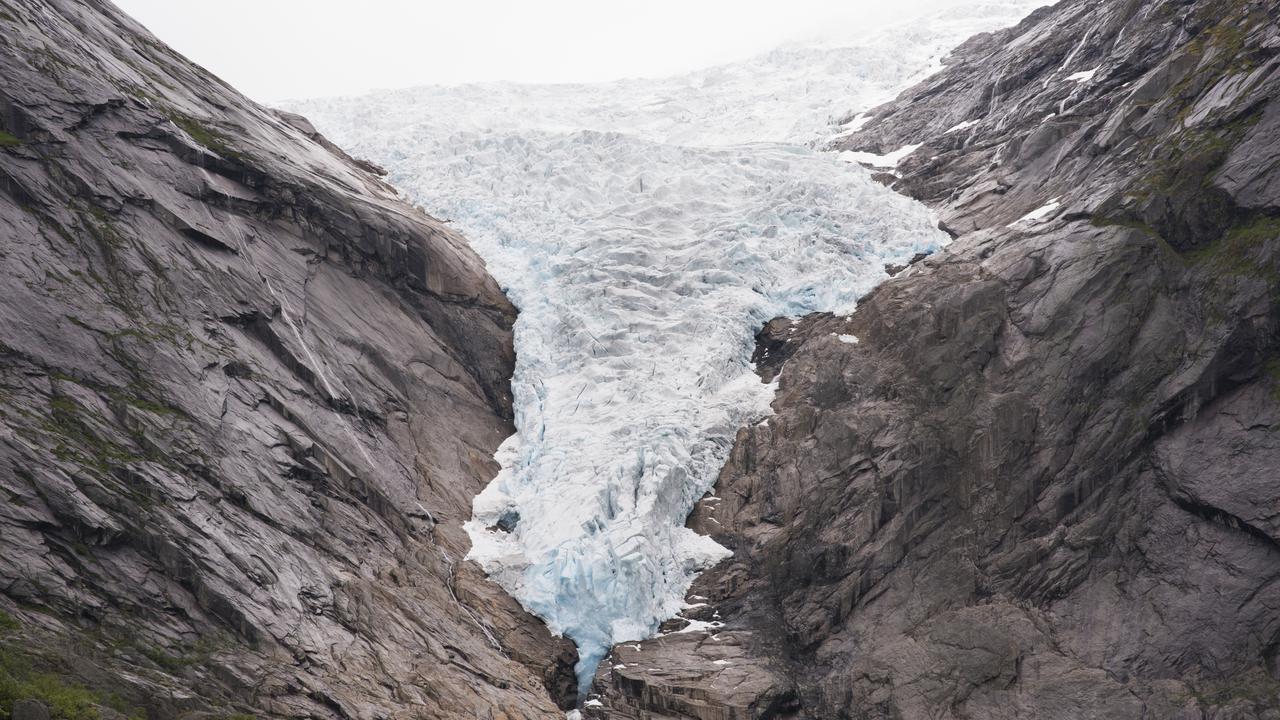
What happens to iron minerals while they are trapped in ice determines how iron behaves once the ice melts. A few minutes of freezing decides how the iron mineral transforms, the study in Science reveals.
ImageJohnér Bildbyrå AB“Ice is not a passive freezer but an active geochemical reactor that can alter how an iron mineral transforms in just a few minutes,” says Professor Jean-François Boily of the Department of Chemistry at Umeå University, who led the study.
Ice is not simply a frozen block of water. In nature, ice can lock in a wide range of compounds, including minerals and organic carbon. Among the most consequential of these are the iron minerals, because what happens to them while they are trapped in ice determines how iron behaves once the ice melts.
Iron is one of the most abundant elements in Earth's crust and an essential metal for most living organisms. As rocks weather, iron is released and reacts with oxygen and water to form secondary iron minerals.
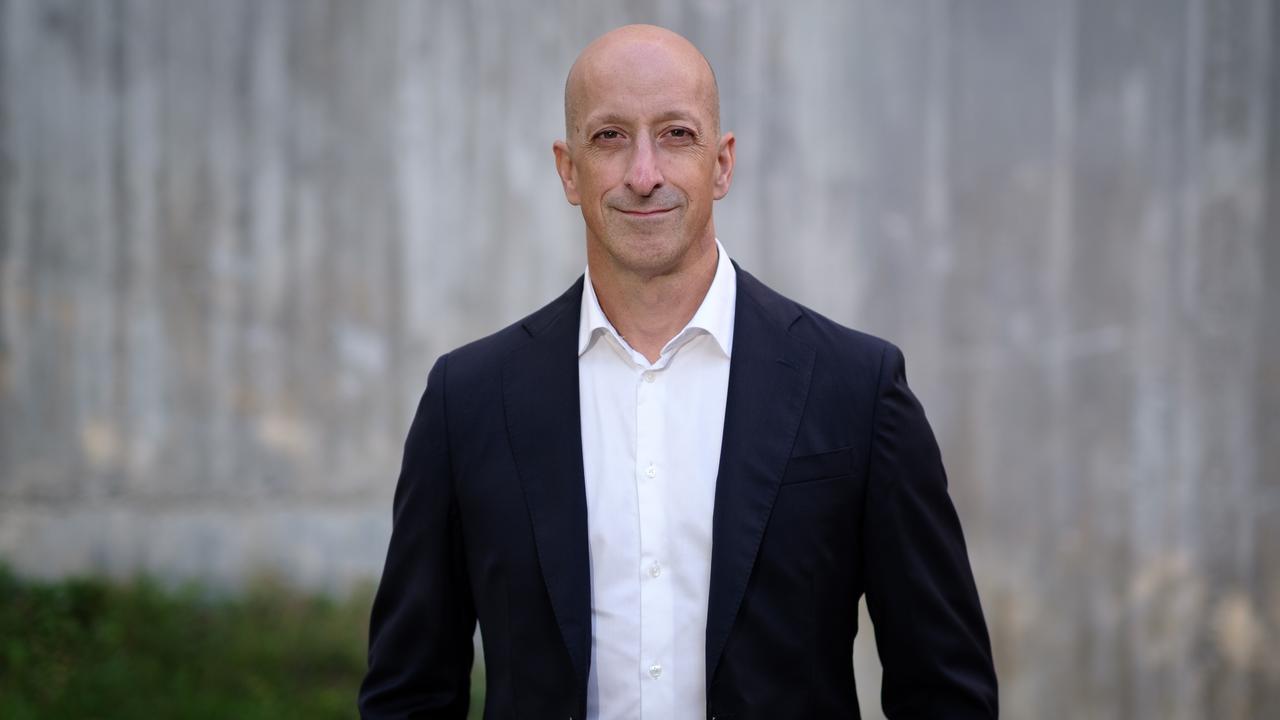
Jean-François Boily.
ImageSimon JönssonIce is not a passive freezer but an active geochemical reactor that can alter how an iron mineral transforms
These iron oxides are found across vast areas of the Earth's surface. They can be seen as rust-coloured coatings on rocks and as fine particles in soil, but they are also present in aquatic environments and in the atmosphere. Changes in how iron is released can have cascading effects throughout ecosystems, from mountain streams to Arctic coastal regions.
In the current study, the researchers investigated ferrihydrite, a poorly ordered iron oxide only a few nanometres in size. Ferrihydrite is the dominant reactive iron phase in glacial sediments, icebergs and cold soils. Its large surface area allows it to bind substantial amounts of nutrients, pollutants and organic carbon. Whether ferrihydrite retains its reactive surface or transforms into a less reactive mineral determines how much bioavailable iron reaches polar oceans and how much carbon remains stored in frozen ground.
When water freezes, microscopic pockets of liquid form between the growing ice crystals. Substances that cannot be incorporated into the ice become concentrated within these pockets. The researchers found that this confinement, together with the force that draws unfrozen water towards the advancing ice front, presses the ferrihydrite particles together, strips away the layer of water and hydroxyl groups that normally surrounds them, and joins them into much larger aggregates.
“The particles emerge from the ice bonded together, not simply clumped,” says Jean-François Boily. “We could expose them to ultrasound and keep them in acid for a month without them falling apart.”
Analyses using electron microscopy and other techniques showed that a single freeze cycle at −20 °C increased ferrihydrite particle size by around thirty times. Micrometre-sized flakes formed, inheriting their flattened shape from the grain boundaries of the ice that created them. Freezing the material again made little difference, as most of the transformation occurred during the very first freezing event.
The researchers then allowed both fresh and freeze-treated samples to age in water for a full year. Ferrihydrite that had never been frozen transformed into goethite, the yellow-brown rust commonly found in cool, moist soils. Ferrihydrite that had been frozen only once produced no goethite at all and, under accelerated ageing conditions, transformed instead into hematite, the red rust associated with warm, dry soils.
This reversal in mineral formation has implications far beyond the laboratory. The ratio of goethite to hematite in ancient soils is often used to reconstruct past climates, while the oxygen isotopes preserved in these minerals are used to estimate historical temperatures. Both of these climate proxies, however, assume that mineral transformations occurred in liquid water.
Hematite also absorbs a broader range of solar wavelengths than goethite. As a result, a freeze-driven shift towards greater hematite formation could accelerate light-driven iron cycling wherever polar soils thaw under sunlight.
In an accompanying commentary published in the same issue of Science, geochemist Kevin M. Rosso of Pacific Northwest National Laboratory in the United States writes that understanding ice as an active geochemical reactor is no longer a niche concern for ice and snow researchers, but a central challenge in understanding the geochemical cycling of iron at the Earth's surface.
Read Kevin M. Rosso's commentary
As freeze-thaw cycles become more frequent and spread geographically in a warming climate, understanding how ice affects the transformation of iron minerals, and how this in turn influences ecosystems, is becoming increasingly important.
Tao Luo, Tao Chen, Tra My Bui Thi, James Behan, Crispin Hetherington, Khalil Hanna and Jean-François Boily, A single freeze cycle redirects iron mineral transformation, Science, Vol. 393, No. 6807, DOI 10.1126/science.aee9519.
