

NEWS We spoke to virologist and stem cell biologist Meaghan Flagg who joins The Laboratory for Molecular Infection Medicine Sweden (MIMS) at Umeå University as a new EMBL-style group leader. She is joining the MIMS with a mission to understand, and ultimately treat, the severe lung damage caused by emerging respiratory viruses.
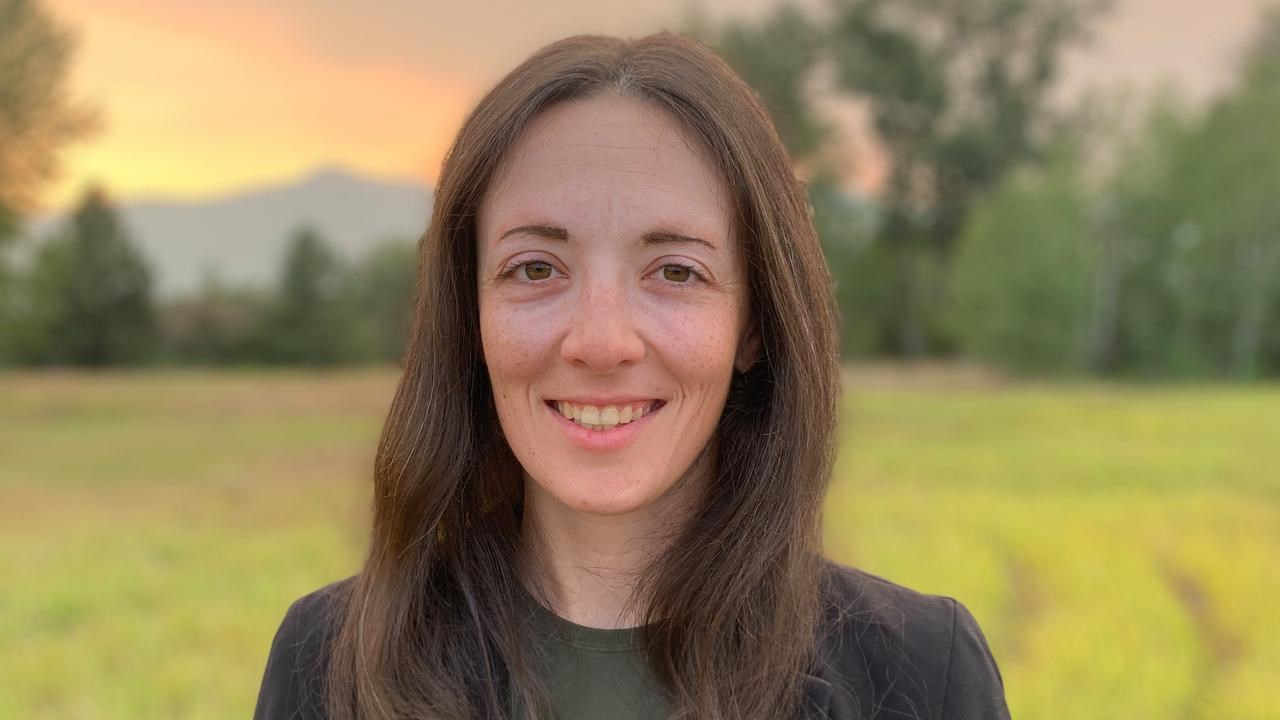
Meaghan Flagg, Department of Clinical Microbiology and Group Leader at MIMS
ImageLauran Zoppa
I have a longstanding interest in viruses, how they cause human disease, and how certain host processes, such as the immune response, can contribute to disease pathogenesis. For my PhD, I studied how HIV infection disrupts intestinal epithelial homeostasis, contributing to disease progression. Through this work I gained an appreciation for the central role that epithelial stem cells play in maintaining tissue function, and how disruptions to these stem cells can drive disease.
Starting my postdoctoral fellowship during the COVID-19 pandemic, I shifted focus to the lung, studying how SARS-CoV-2, and later other emerging respiratory viruses including highly pathogenic avian influenza and Nipah virus, damage alveolar epithelial stem cells.
Now as a group leader, I am excited to work at the intersection of virology and epithelial stem cell biology to understand how emerging viruses cause severe disease, and how we might develop new treatments aimed at promoting tissue repair to improve patient outcomes.
In my work, I aim to integrate clinical data and human-derived model systems as much as possible to increase the likelihood of uncovering translationally relevant insights. For establishing my group, I was searching for a place with a focus on infectious disease, high containment facilities, access to human clinical samples, and a highly collaborative environment facilitating collaboration between basic researchers and clinicians. MIMS, together with the Department of Clinical Microbiology at Umeå University, offers all of these resources together with a local and international network of young investigators, creating a supportive and productive environment to launch my independent research program.
My group will focus on how emerging respiratory viruses such as highly pathogenic avian influenza (HPAI) virus cause severe disease with the aim of identifying novel therapeutic strategies to treat infections. Lower respiratory tract infections are among the top ten leading causes of death globally, but there are little to no therapeutics that are effective once patients develop severe disease. Epithelial stem cells play a critical role in tissue repair, and dysfunctional tissue repair contributes to poor patient outcomes including long-term compromised lung function and death.
My group will evaluate how viruses and the immune response affect the ability of epithelial stem cells to repair the lung after injury. We will use human organoid systems and animal models to identify deregulated repair processes that can be modulated with host-targeted therapeutics.
The COVID-19 pandemic highlighted the wide range of disease severity resulting from respiratory virus infection on a population level. The same applies for influenza, which can cause disease ranging from mild upper respiratory tract symptoms to pneumonia and respiratory distress. Collaboration with human genetics experts at FIMM and NCMBM would allow us to test how genetic variation impacts respiratory virus pathogenesis.
Secondly, respiratory viruses can also cause neurologic manifestations under certain conditions, but it is unclear what factors influence this.
Via collaboration with neuroscience experts at DANDRITE we can evaluate how differential immune responses or other factors impact respiratory virus neurovirulence. I am looking forward to the upcoming Nordic EMBL Partnership meeting to facilitate in-person discussion of potential collaborative projects.
When she is not in the lab, Meaghan is likely on a mountain. An avid rock and ice climber, skier, and mountain biker, she brings the same appetite for challenge to her leisure time as she does to her science.