



"False"
Skip to content
printicon
Main menu hidden.
Published: 2026-09-25

As Sweden debates abortion reform, researchers highlight global struggles and activist mobilization for access

NEWS On 28 September, the right to safe, legal and free abortion is recognised around the world. A new abortion law is also among the first decisions to be taken by Sweden’s newly elected parliament. At Umeå University, researchers are investigating how activist organisations across the globe work to improve access to abortion care.

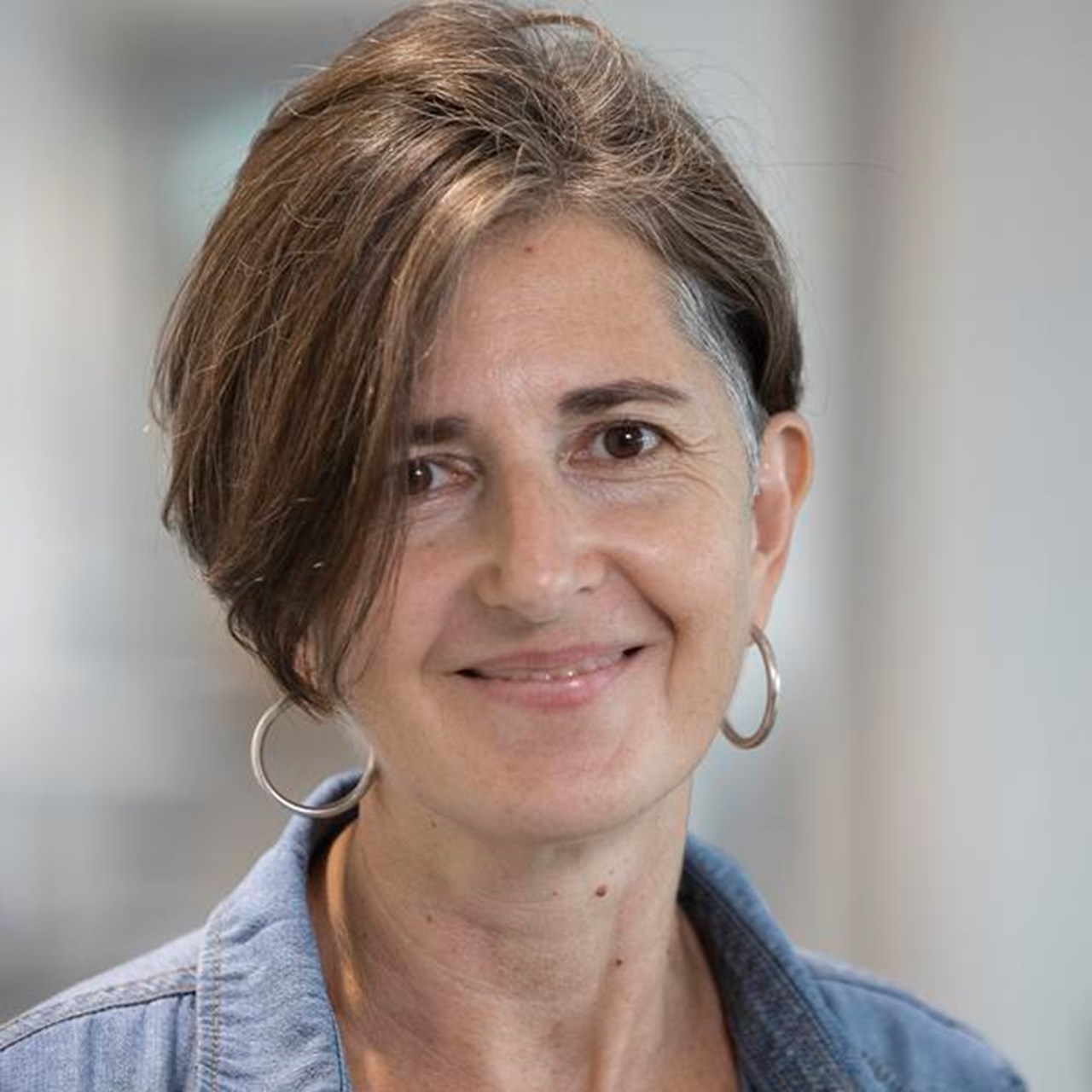
“Our research explores not only advocacy for legal reforms, but also the practical support networks that help people access abortion services when legal, social, or geographical barriers stand in the way,” says Isabel Goicolea, professor in public health at the Department of Epidemiology and Global Health.

The September 28 campaign originated in Latin America and the Caribbean as part of demands by feminist groups to decriminalize abortion, provide access to safe and affordable abortion services, and to end stigma and discrimination towards people who choose to have an abortion. Today, it is a global initiative across 85 countries.

“The Latin American feminist movements are a great example of solidarity and activism for making abortion safe, legal and free, through direct accompaniment and advocacy. The mobilization resulted in progressive reforms to abortion policies in countries like Argentina, Colombia and Mexico,” says Isabel Goicolea.

She points out that there are still many countries in the region with highly restrictive legislation, and that changes in the political landscape can have a big impact on the issue of abortion rights.

“The sustainability of the legal progress made in many countries is unclear due to the expansion of far-right governments and fundamentalist groups. Such groups also pose threats to activist organizations that provide practical support to those who need an abortion,” says Isabel Goicolea.

European efforts face different challenges

Feminist collectives and activist groups across Europe face different challenges when working to strengthen the right to quality abortion care. Countries like Malta and Poland maintains strict legal prohibitions, but other countries limit access due to barriers such as conscious objections and mandatory waiting periods. Limited access to abortion services for certain groups, for example undocumented migrants, is also an issue in many European countries.

“As in the American context, in Europe the rise of far-right and fundamentalist groups pose threats to reproductive justice, including access to safe abortion,” says Isabel Goicolea.

Sweden expected to advance reforms and constitutional protection

Sweden has recently proposed constitutional protection for abortion rights and reforms to the 1974 abortion law. These reforms would better align abortion care with current medical evidence, including the widespread use of pharmacological abortion, much of which will now be possible to manage at home. This could be especially important for people living in rural and remote areas of the country, where access to specialist clinics is more limited. The parliament is expected to vote around the proposition this autumn and changes are expected to enter into force in 2027.

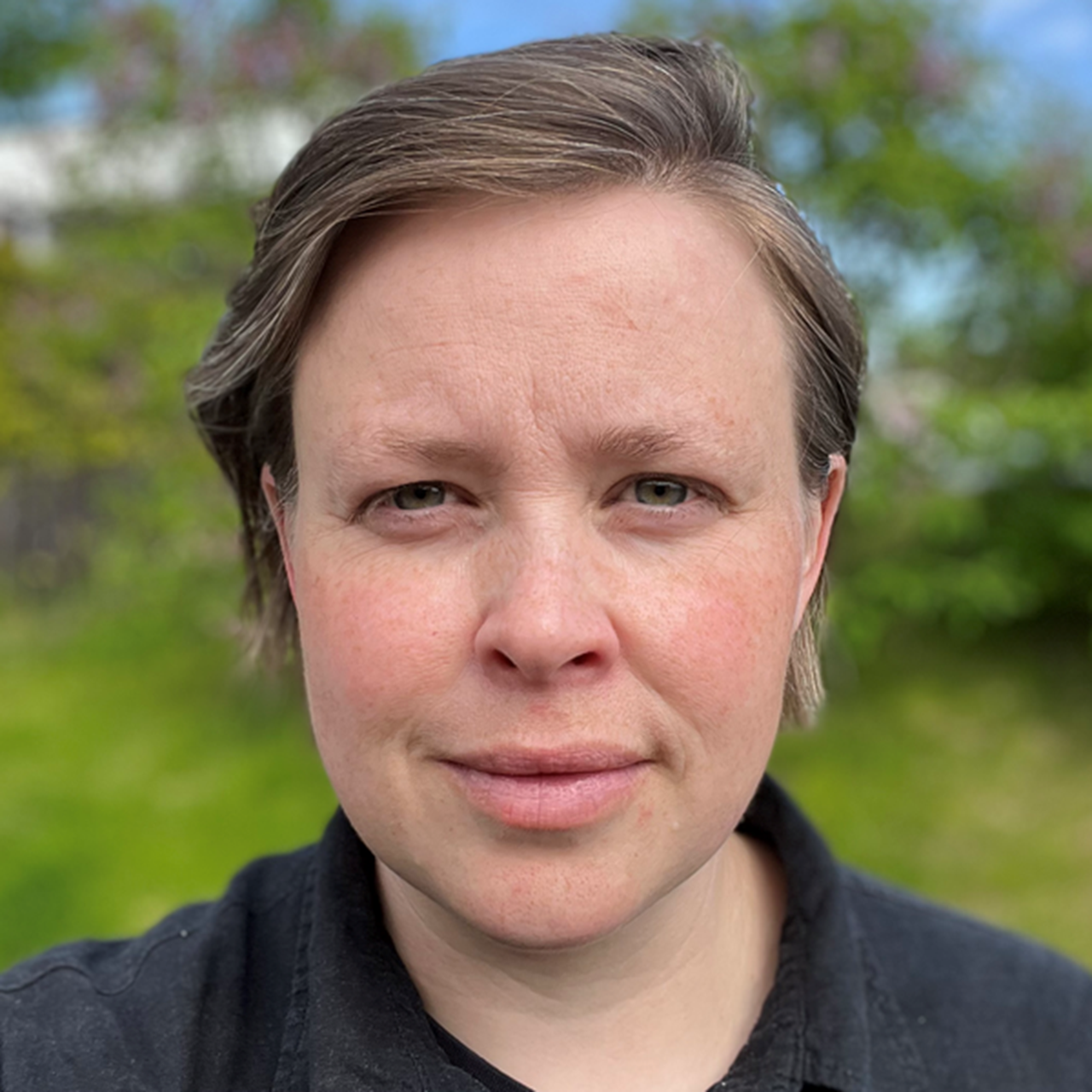
“This new law means a better alignment with both medical evidence and people's real lives. Expanding home-based care matters for geographic equity,” says Ida Linander, Associate Professor at the Department of Epidemiology and Global Health.

Legal terminology sparks debate

The government inquiry on which the proposal was based recommended that the term ‘woman’ be replaced with ‘the one who is pregnant’, to make it clear that everyone who is capable of becoming pregnant, regardless of legal gender or gender identity, is covered by the Act. However, the Government chose not to proceed with that part of the proposal in the bill, which retains the word ‘woman’. This is now one of the issues on which there is disagreement in the Swedish Parliament.

“From my own research on trans people's access to care, I'd add that inclusive legal language might be important. If the legislation names only 'women,' trans men and non-binary people who can become pregnant are invisible, which might have consequences for how they can access to abortion,” says Ida Linander.

Contact researchers

Ida Linander
Associate professor
E-mail
Email

Read more

Research project: Abortion health activism within and across country borders

The project aims to explore how activist organizations work both within and across countries in Latin America and Europe to promote and secure access to abortion.

Read more about the project

The September 28 campaign

The September 28 campaign unites activists and organizations all over the world demanding access to safe and legal abortion.

Read more about the campaign