"False"
Skip to content
printicon
Main menu hidden.
Published: 2026-11-06

Examining the value of women's work in the history of health insurance

NEWS Researcher Liselotte Eriksson, affiliated with CEDAR, among other units, has been awarded approximately SEK 5.6 million by the Swedish Research Council for her research project in economic history, demographics, and gender studies.

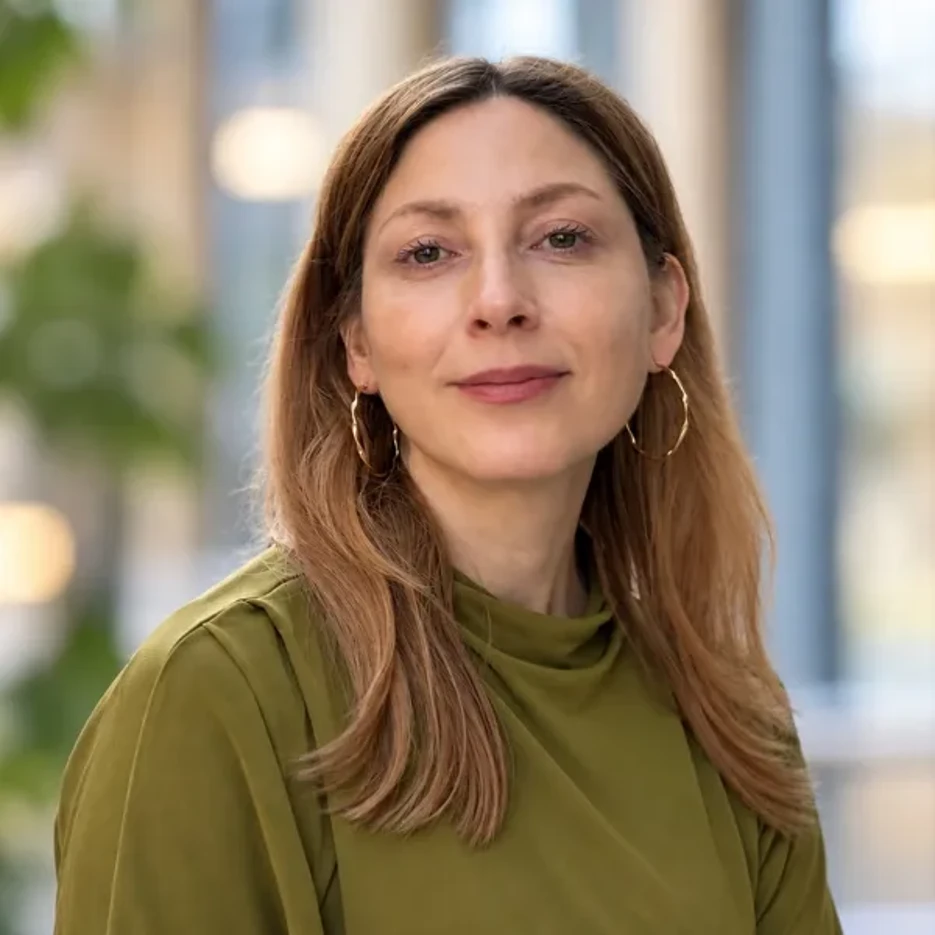
Liselotte Eriksson is a Senior Lecturer at Umeå Centre for Gender Studies (UCGS) and is affiliated with both the Unit of Economic History and the Centre for Demographic and Ageing Research (CEDAR) at Umeå University. She has recently been awarded SEK 5,644,000 by the Swedish Research Council for her research project “The Origins of the Gender Health Gap: Unpaid Care Work and the Transition from Private to Public Insurance in Sweden, 1945–1970”.

What happened to women's unpaid work when health insurance became public?

The project will examine how health insurance changed in the aftermath of the Second World War, as it shifted from private to public provision, and, above all, how this reform affected women.

Our aim is to increase knowledge about how the emergence of the welfare state shaped perceptions of women's work, and how insurance systems can either contribute to or counteract inequality between women and men

Liselotte explains that hundred years ago, most women worked in the home without pay. Nevertheless, they could be covered by health insurance and receive compensation in the event of illness, since domestic work was not considered to cease simply because a woman fell ill. However, when private health insurance funds were reformed into a public health insurance system, benefits became more closely linked to earned income, fundamentally changing the level of protection available to these women.

“We want to investigate how this protection changed with the introduction of public health insurance and what this shift meant for attitudes towards unpaid work, as well as women's financial security and health. Our aim is to increase knowledge about how the emergence of the welfare state shaped perceptions of women's work, and how insurance systems can either contribute to or counteract inequality between women and men,” says Liselotte Eriksson.

Searching for answers in health insurance records

To investigate these questions, the researchers will digitise approximately 30,000 membership cards from a health insurance fund in Gothenburg, covering the period 1945–1970. The material spans both the period before and after the reform, making it possible to trace changes in insurance conditions, benefits and patterns of illness throughout the transition. The material will also be linked to other population registers, meeting minutes, correspondence and public debates to provide a picture of how unpaid work was valued at the time. Individual data from the insurance records will be linked to CEDAR's research database Swedpop.

Questions about women's social status are still relevant today

Women's unpaid work has been very important to the welfare of families and society, yet it has received little economic or social recognition. Liselotte believes it is important to investigate this often-overlooked part of history, as it can provide a deeper understanding of how social insurance systems have shaped perceptions of work and value in society, both in the past and today.

“The findings are still relevant today, as issues surrounding unpaid care work, financial security and gender equality remain high on the political agenda and continue to affect both health and social status,” she concludes.

About the research project

Title: The Origins of the Gender Health Gap: Unpaid Care Work and the Transition from Private to Public Insurance in Sweden, 1945–1970
Funding body: Swedish Research Council
Project period: 2027–2030
Grant awarded: SEK 5,644,000
Principal investigator: Liselotte Eriksson
Co-applicants: Helene Castenbran and Louise Cormack, Lund University

Liselotte Eriksson
Associate professor, research fellow
E-mail
Email