NEWS This year’s Vertical Workshop at Umeå School of Architecture brought students together to explore how Umeå’s existing built environment could be adapted, reused and transformed.
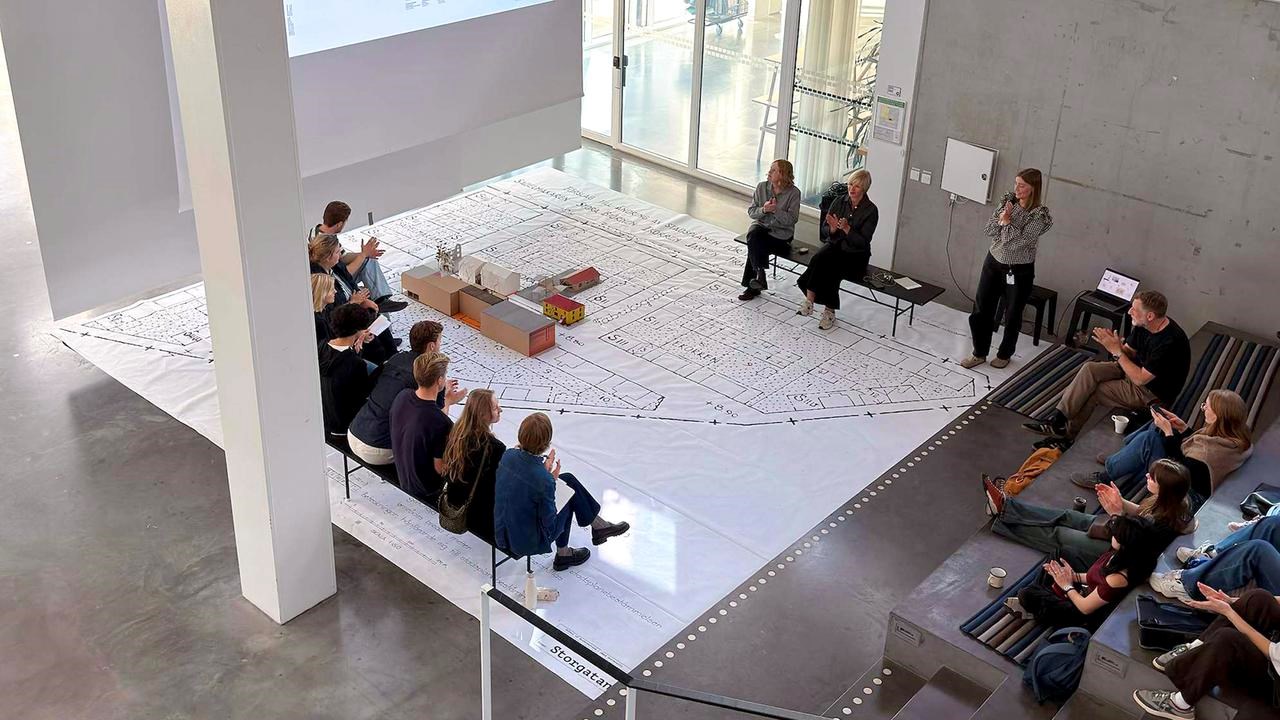
Presentation of the Vertical Workshop 2026: Common Ground
ImageSven-Erik HilbererEvery academic year at Umeå School of Architecture (UMA) begins with a thematic workshop. Students from Years 2–5 of the Architecture Programme and both years of the Master’s Programme in Architecture and Urban Design work together in randomly assigned groups to explore a common topic. The Vertical Workshop, as it is called, has been a recurring part of the academic year for more than 15 years. Through lectures by invited guests and collaborations with external partners, the workshop connects architectural education to current societal challenges and encourages students to research, discuss and develop proposals around a critical topic.
This year’s workshop, Common Ground, was curated by Emelie Aktanius, adjunct lecturer at UMA. The theme focused on affordable housing, adaptation, renovation and reuse, using Umeå’s existing built environment as a starting point and included invited guest speakers from the NGO House Europe!, developer Balticgruppen, local public-private partnership ABC Umeå and collaborative visual research project house_flow as well as exhibition collaborations with the Avion Shopping Mall and municipal culture center Väven.
We spoke to Emelie at the end of the intensive workshop week and begun asking her to explain the theme.
– In a world facing urgent and interconnected challenges, coming together is increasingly important, both between individuals and across sectors. Taking HouseEurope!’s perspective on affordable housing, adaptation, renovation and reuse as a starting point, we wanted to explore how Umeå’s existing built environment can be read, valued and transformed. We asked the students to investigate what drives change in the city, recognise its capacity for adaptation, and explore which strategies, materials and new uses could support economically, socially and environmentally sustainable transformation, Emelie explains.
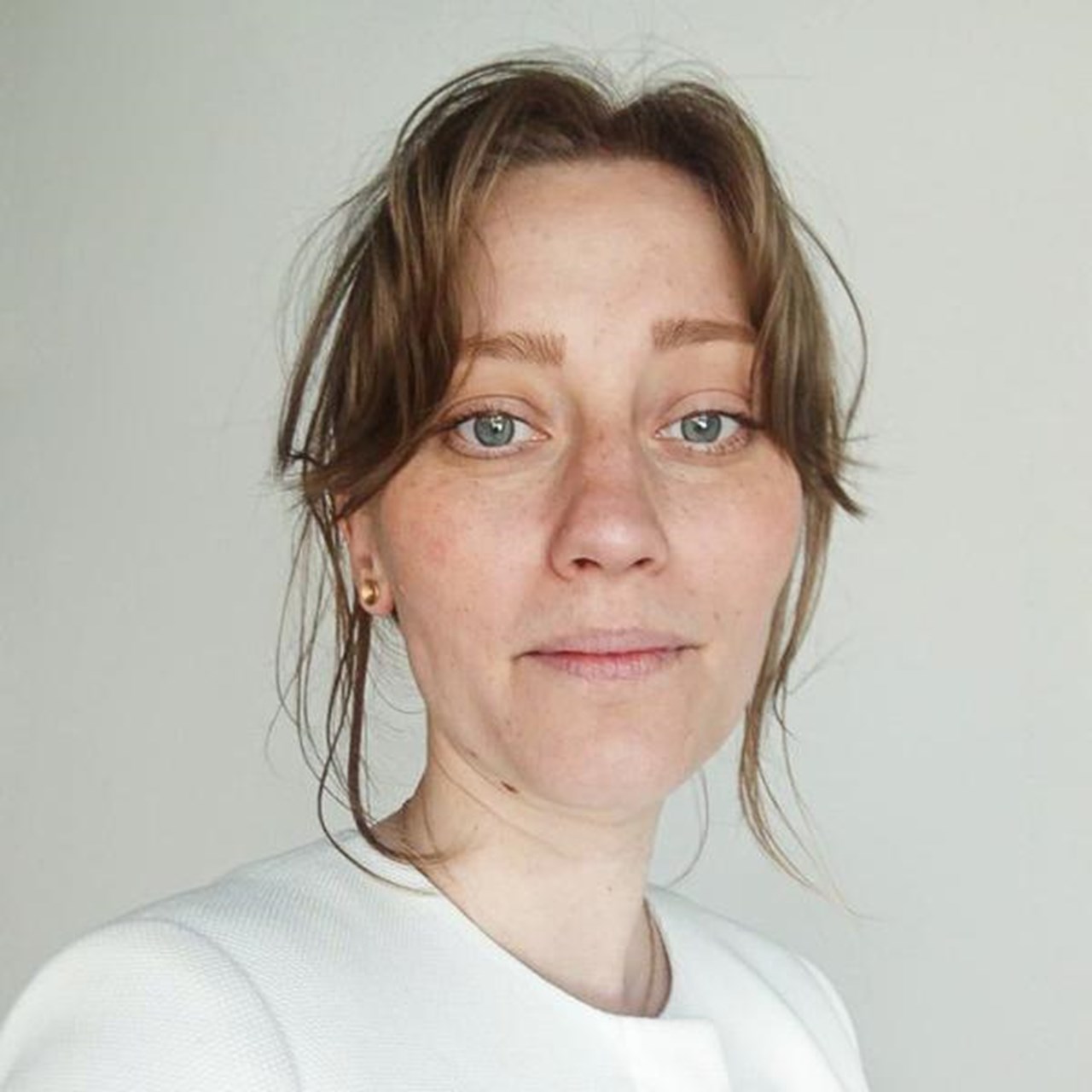
Emelie Aktanius, Adjunct lecturer and curator of the vertical workshop at Umeå School of Architecture
During just three days, the students explored how the city is constantly changing and what drives these changes.
–One group looked at how small thermal upgrades to windows could create new relationships between private and public space. This was developed in collaboration with research at UMA and ABC Umeå: Scalable Processes for Reuse in the Construction. Another group explored how unused spaces in big-box retail could accommodate housing, in collaboration with Avion Shopping. A third looked at how moving houses could introduce new scenarios for the city’s densification, together with house_flow and Professor Tonia Carless, and a forth group worked on mapping urban transformation through four themes—demolition, adaptation, relocation, and vacancy—and on understanding the forces (people, environment, politics, etc.) driving that transformation, Emelie continues.
The result of the student group work produced maps, GIFs, drawings and models which was shared on UMA’s Instagram and exhibited at municipal culture center Väven in central Umeå and at the shopping center Avion in the southern parts of town, where it sparked conversations among both friends and strangers.
– What stays with me is how the students’ work prompted people to talk about the future of their own city. At Avion, several people said they would love to live in the mall. At Väven, visitors felt that adapting windows along Storgatan could make the street livelier and safer, particularly during the darker months of the year. People could relate the proposals to their own lives, and some could imagine themselves taking part in these transformations if given the opportunity. Hearing that Umeå residents are intrigued and hopeful about the students’ ideas suggests an appetite for sustainable transformation. It also shows the potential of bringing students’ creativity together with residents’ knowledge and aspirations, says Emelie.
Ending our conversation, Emelie concludes with a reflection on the potential of the vertical workshop concept.
– The short format, combined with the students’ desire to make an impression on external partners, creates room for playful and bold proposals. That can otherwise be difficult in a world shaped by crises and concerns about what is correct. When students, partners and residents see the proposals as early concepts, there is a shared openness to what we do not yet understand. This creates space for respectful conversations in which we can think critically about our city together.