



"False"
Skip to content
printicon
Main menu hidden.
Published: 2026-04-02

Gut microbiota differs in children with rare food allergy

NEWS Children with the rare but serious allergic disease FPIES have an atypical gut microbiota compared to healthy children. This is shown in a new study from Umeå University, published in the scientific journal the Journal of Allergy and Clinical Immunology.

Our results reveal clear differences in the gut bacterial composition of children with FPIES

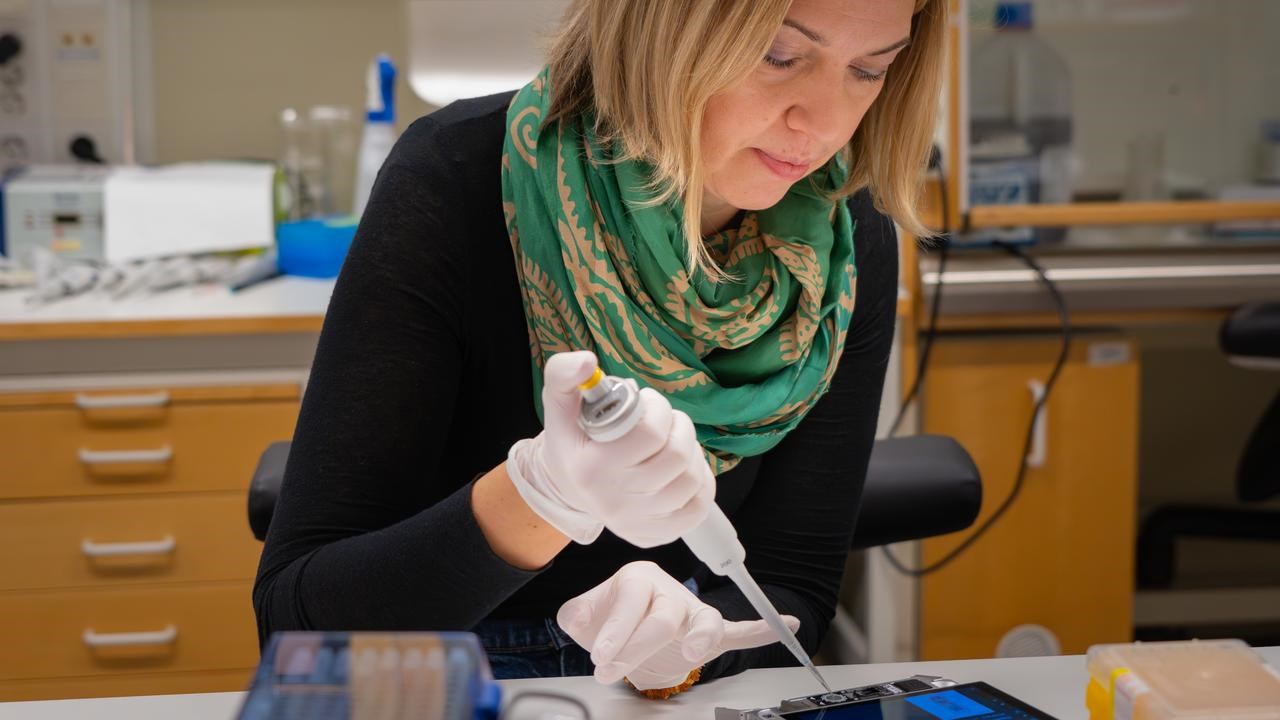
“Our results reveal clear differences in the gut bacterial composition of children with FPIES, an area where knowledge has so far been limited,” says Kotryna Simonyte Sjödin, molecular biologist and associate professor at the Department of Clinical Sciences at Umeå University.

FPIES (food protein-induced enterocolitis syndrome) is a form of food allergy in which the body reacts without the usual allergy antibodies, meaning that symptoms appear more slowly and affect the gastrointestinal tract rather than causing rashes or breathing difficulties. It typically begins during infancy and can lead to severe vomiting, diarrhoea, and circulatory symptoms. The underlying mechanism remains unclear.

In the new study, the researchers analysed stool samples from 56 children with newly diagnosed FPIES and compared them with samples from 43 age‑matched children without allergies. The children were divided into three age groups covering the first year of life. The results show that age was the strongest factor influencing bacterial composition, but that FPIES itself was also clearly associated with differences in the gut microbiota.

The study found, among other things, that children with FPIES had lower levels of Bifidobacterium and Verrucomicrobiota, while bacteria such as Bacteroides, Haemophilus, and Veillonella were more abundant. Certain trigger foods for FPIES were also associated with additional changes in the gut microbiota.

“FPIES is a clinically challenging diagnosis, and today we lack reliable biomarkers. By linking clinical observations with detailed analyses of the gut microbiota, we can gradually build a more coherent picture of the disease,” says Anna Winberg, senior consultant and associate professor at the Department of Clinical Sciences at Umeå University.

The study contributes new knowledge about the connection between early gut microbiota and the development of allergic disease, strengthening the view that early biological factors can have long‑term consequences for children's health.

“This study is based on systematically collected samples at diagnosis and on high‑resolution analyses, providing a robust and comparable dataset. Over time, these findings may contribute to the development of more individualized strategies for diagnosis, prevention, or treatment, although such applications will require further research,” says Christina West, senior consultant and professor of pediatrics at the Department of Clinical Sciences at Umeå University.

About the scientific article:

Winberg, A., Sjödin, K. S., Öhlund, M., West, C. E.: Loss of symbiotic gut bacteria in children at diagnosis of food protein induced enterocolitis syndrome. the Journal of Allergy and Clinical Immunology. 2026.

https://www.jacionline.org/article/S0091-6749(26)00184-3/fulltext

For more information, please contact:

Kotryna Simonyte
Staff scientist
E-mail
Email
Anna Winberg
Research fellow
E-mail
Email
Christina West
Professor, senior consultant (attending) physician
E-mail
Email