


"False"
Skip to content
printicon
Main menu hidden.
Published: 2026-06-15

How vibrations induced by snoring may contribute to sleep apnea

NEWS Snoring is not just a symptom of obstructive sleep apnea – it may also contribute to the disease. Researchers at Umeå University show that the vibrations affect how muscle cells produce and manage energy. This, in turn, may weaken the muscles of the upper airway, making them more likely to collapse during sleep.

Snoring has long been regarded as a symptom of obstructive sleep apnea, but our findings suggest that the vibrations themselves may contribute to the disease process by damaging muscle tissue and impairing cellular energy metabolism,” says Farhan Shah, Associate Professor at the Department of Medical and Translational Biology at Umeå University.

Linking patient samples to a laboratory model

A key strength of the study is that the researchers link findings from patient samples to a newly developed laboratory model that mimics snoring vibrations in muscle cells. Using this model, they were able to demonstrate how repeated vibrations affect the cells’ ability to sense mechanical load, regulate energy production, and maintain normal cellular function.

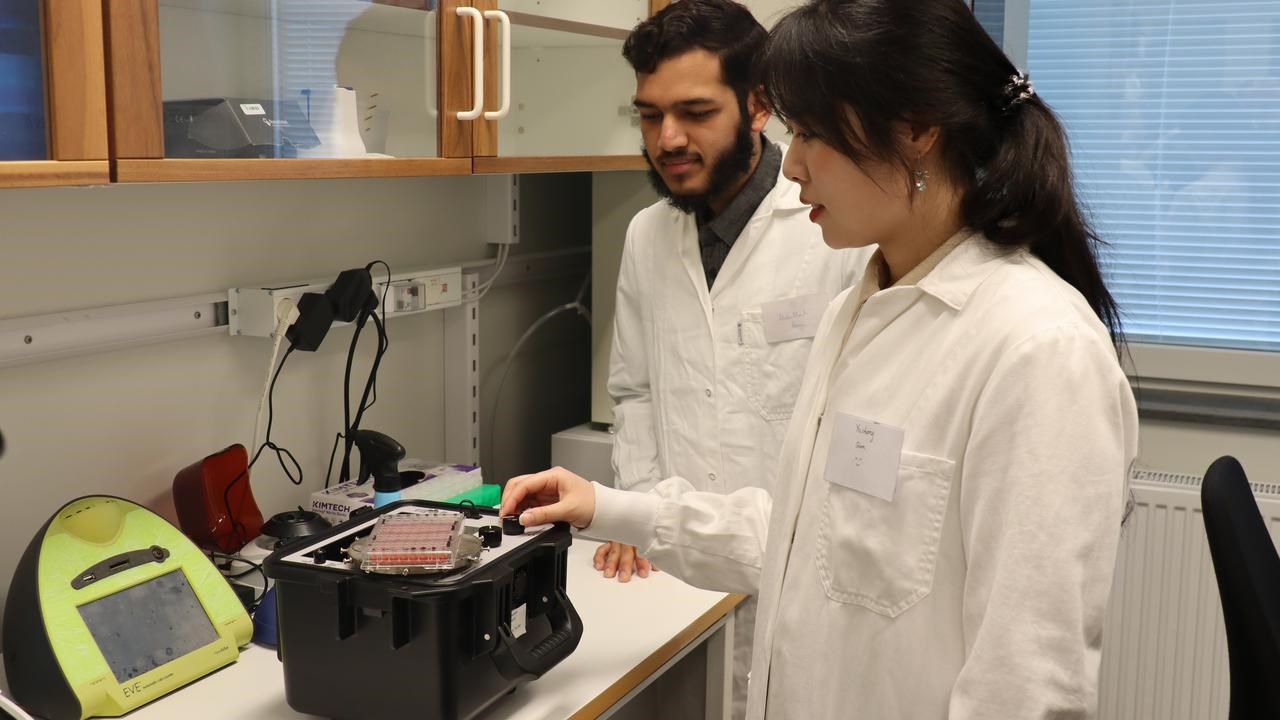
The research was conducted at Umeå University's Laboratory for Vibration Biology, a unique research environment established with support from the Kempe Foundations. The laboratory combines expertise in muscle biology, mechanobiology, mitochondrial function, and vibration research to investigate how physical forces influence cellular function, tissue adaptation, and disease. The experimental vibration model was developed and validated by postdoctoral researcher Yucheng Qian together with the technical team consisting of Roger Widmark, Anders Bäckström, and Per Utsi.

Investigates other vibration-related injuries

Beyond sleep apnea, the findings may also have implications for other vibration-related conditions. Understanding how cells respond to mechanical vibration is a central focus of the Laboratory for Vibration Biology. One example of a vibration-related disorder is hand–arm vibration syndrome (HAVS), an occupational condition caused by long-term exposure to vibrating tools such as drills and chainsaws., says Farhan Shah.

While the present study focused on snoring vibrations and sleep apnea, the research group investigates how mechanical stimuli and disease states influence muscle health across a range of conditions, including cancer cachexia, ageing, prolonged immobilization, occupational vibration exposure, and spaceflight. A common theme of the research is understanding how cellular energy metabolism and mitochondrial function determine muscle adaptation, resilience, and disease progression.

The results have been published in the journal Mitochondrion.

About the scientific article:

Per Stål, Roine El-Habta, Yu-Cheng Qian, Shaochun Zhu, Chloe Williams, André Mateus, Jonathan D. Gilthorpe, Farhan Shah: Mitochondrial dysfunction in muscle cells induced by snoring vibrations. Mitochondrion,Volume 91,
2026.
https://doi.org/10.1016/j.mito.2026.102174

For more information, please contact:

Farhan Khalid Shah
Associate professor
E-mail
Email