

NEWS Biology has entered a data-driven era. Advances in DNA sequencing and other technologies now generate vast amounts of biological data, far beyond what traditional methods can handle. To turn this flood of information into meaningful insights, bioinformaticians have become essential. This is why Umeå University is launching a new Master’s programme in Bioinformatics, starting in the autumn of 2026.
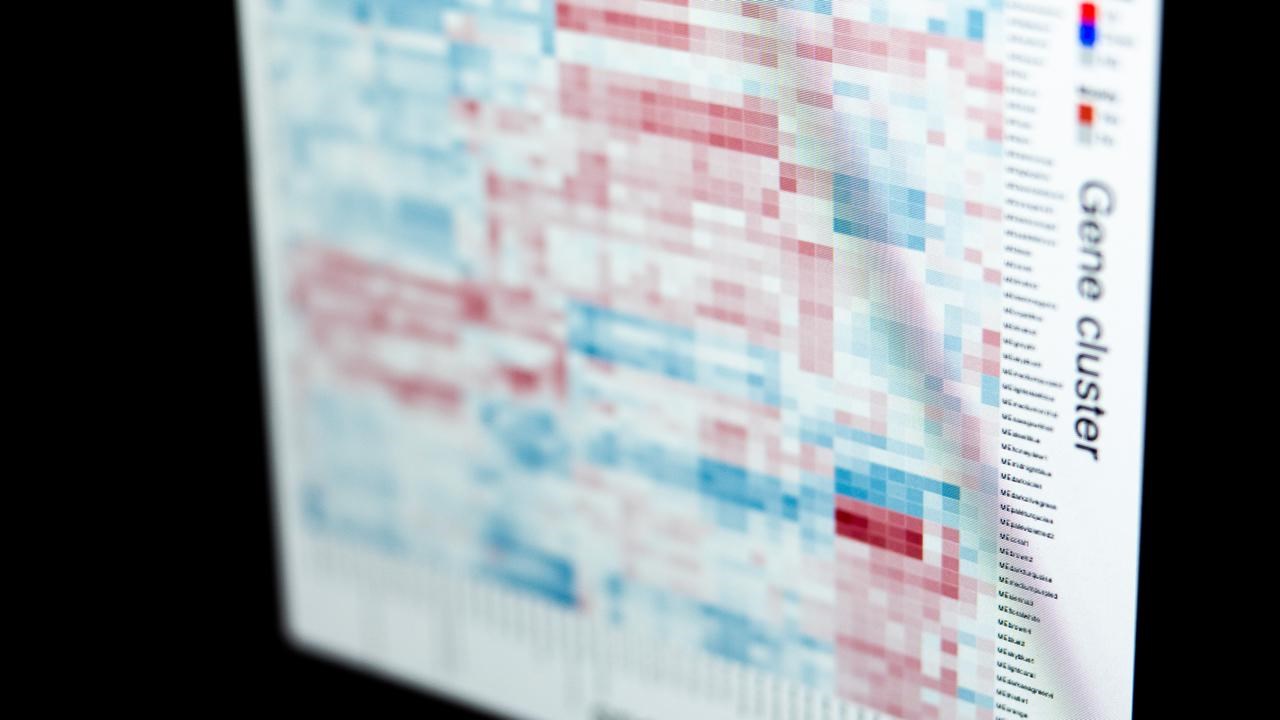
Research in biology generates huge amounts of data and bioinformaticians have become more and more important to analyse and make sense of the results.
ImageSamuel Pettersson”We have designed the programme for people with a background in molecular biology who want to develop data science and bioinformatics skills” says professor Nathaniel Street, programme director and one of the leading teachers on the programme. ”Graduates from our programme will be equipped to work hands-on in applied contexts with biological data.”
The demand for bioinformaticians is soaring. From precision medicine and personalised healthcare to plant breeding and drug discovery, industries and research institutions alike are seeking experts who can extract biological meaning from massive datasets. The new programme offers students training with real research data and cutting-edge tools, preparing them for a rapidly growing field that is central to science.
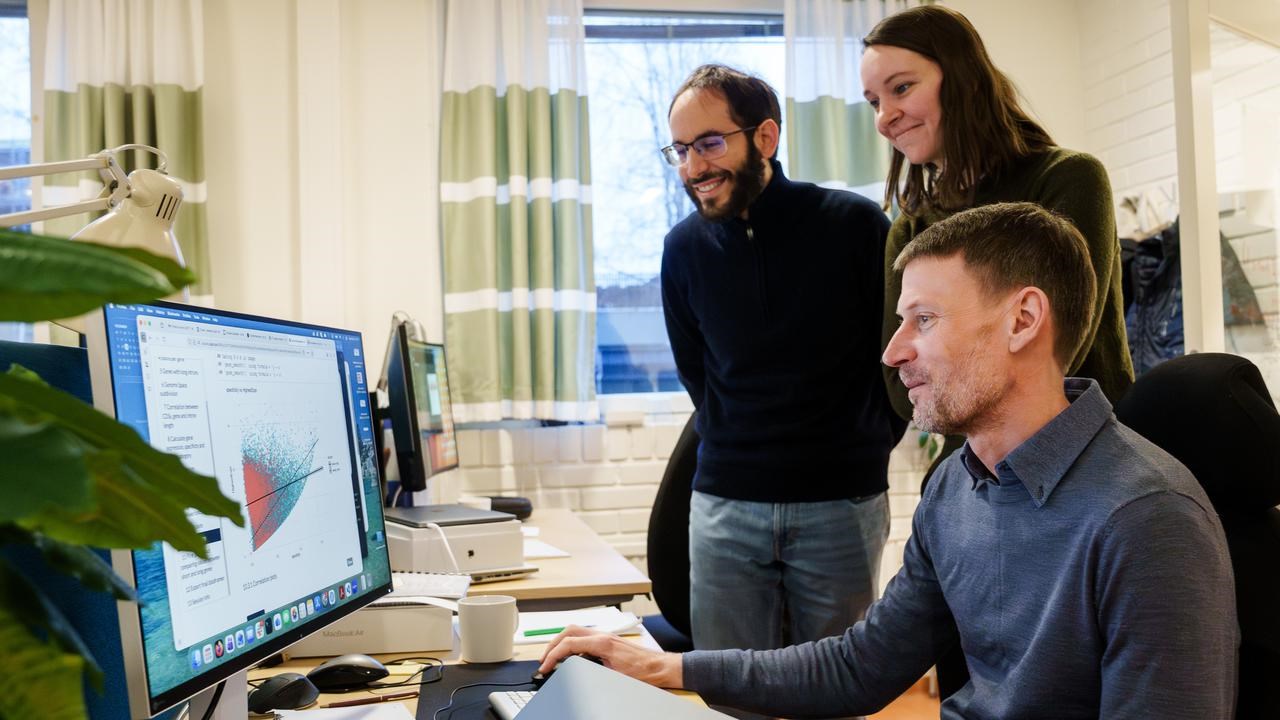
Nathaniel Street’s research group works with genetic data from tree genomes and nowadays consist of more bioinformaticians than biologists working in the lab. Here he is together with two of the group members, Edoardo Piombo and Elena van Zalen.
ImageSamuel PetterssonModern research produces datasets so large they can’t be opened in a spreadsheet—they require supercomputers and advanced algorithms to process
“Bioinformatics has been around for decades, but in the last ten years it has become essential for almost every area of biology,” says Nathaniel Street. “Modern research produces datasets so large they can’t be opened in a spreadsheet—they require supercomputers and advanced algorithms to process.”
His own research is a clear example of this. Today, only one person in his group works in the biology lab – generating research data that keeps the other nine in the group busy analysing.
Bioinformatics can be studied at other universities, but most of them target students who already have a background in computing science and programming, says Nathaniel Street. Umeå University takes another approach. Since it has become increasingly more important for any biologist, chemist or molecular biologist to master bioinformatics, the programme is designed with them in mind.
”We also think we have a unique approach in that our teachers, who represent a diversity of research profiles, will be using their own data in their teaching. Students will train using that data, using the latest tools, concepts and ideas in bioinformatics. We see that as an advantage to our programme, because bioinformatics is such a rapidly moving field.”
Currently, there is a shortage of bioinformaticians. Those specialising in bioinformatics will be in demand and can look forward to a diverse labour market. Biology will continue to generate more and more data, and with greater complexity.
And even though machine learning and artificial intelligence tools are becoming more advanced and more frequently implemented in bioinformatics, this will not render human expertise unnecessary, Nathaniel Street emphasises.
”These tools can’t interpret the data, we need humans to look at the results coming out and decide if they make biological sense or not.”
Read more about the Master’s programme in Bioinformatics
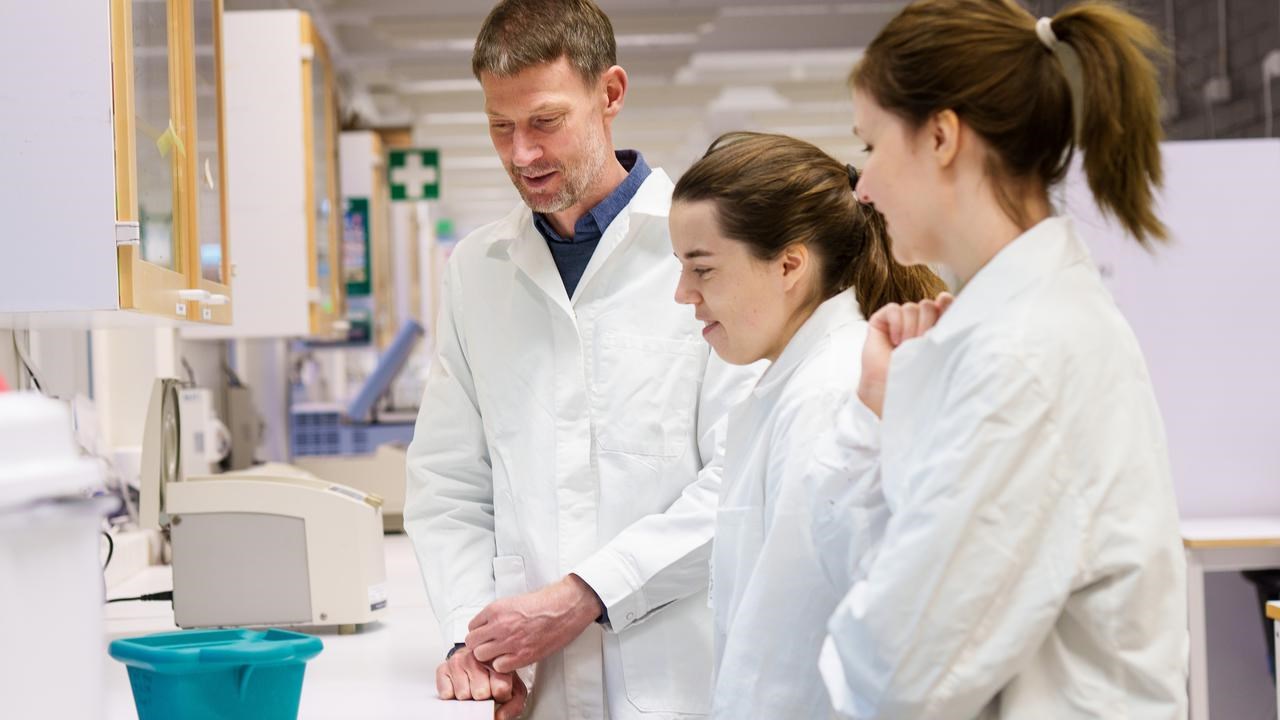
Nathaniel Street together with Amanda Mikko and Sara Rydman in the lab. Their work keeps the bioinformaticians in the group busy with analysing the amounts of data the experiments generate.
ImageSamuel Pettersson