

NEWS Mixing tree species can lead to better growth in the forest – at least above ground. A new international study published in Nature shows that mixed forests had lower activity in the complex belowground ecosystems than previously thought. Researchers suspect this could affect the long-term growth of forests.
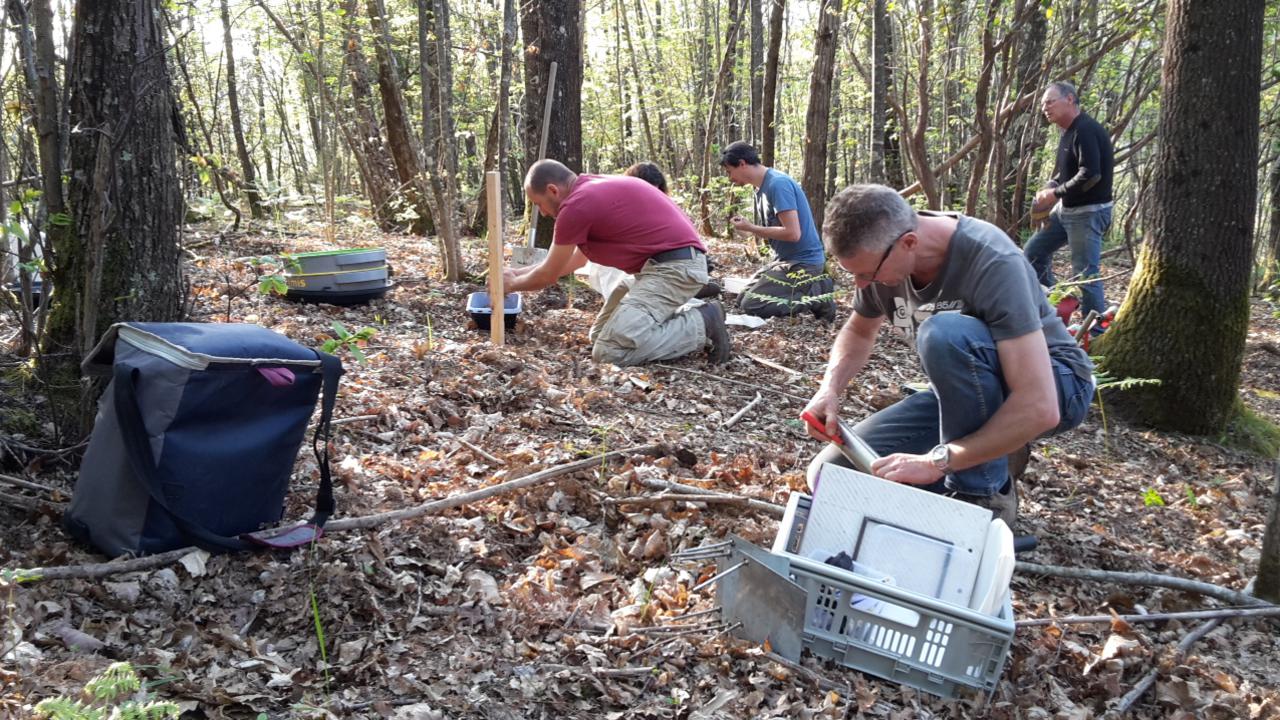
Tree traits shape life in the soil in several ways, a new study in Nature shows. But the combination of different tree species also turned out to have effects that were unexpected to the researchers. Image from a field survey in Italy.
ImagePaul KardolThe study, led by researchers from the Umeå University and Swedish University of Agricultural Sciences, SLU, was an international collaboration between nine universities through the SoilForEurope-project. By sampling and identifying the different organisms in forest soils from 64 areas in four European countries, they aimed to better understand how different tree species and their combinations affect how energy moves through the web of life beneath the forest floor.
The study shows that tree species play a key role in the function of the soils. Forests containing fast-growing, resource-hungry trees which produce a lot of organic material also show higher activity in the soil, with faster nutrient cycling compared to forests with slower-growing species. Different tree species channel energy into the soil in different ways, either through living roots or fallen leaves, with important consequences for soil life.

In the project, the researchers mapped species communities in forest soils to see how energy flows are altered by different dominant tree species. Shown here: springtails and mites.
ImagePaul KardolHowever, the researchers made an unexpected finding. A mix of tree species that usually leads to faster growth above ground, such as, pine, spruce, and birch, did not show the same improved activity in the soil. Rather, the opposite was observed.
“We were surprised to see that mixed forests didn’t lead to more functional soils. Instead, they showed slightly poorer results than some of the forests with a single tree species” says Paul Kardol, Professor in Forest Microbiology at SLU.
Zooming in on the life at and below the surface, we find an entire microscopic ecosystem. Here, many organisms are fueled with organic material from trees, understory plants, and mosses, energy that then flows though the food web among microbes, springtails, mites, spiders, and worms, to name a few.
It is highly dynamic, with continuous energy flow and rapid biological activity, but it is also sensitive to environmental changes
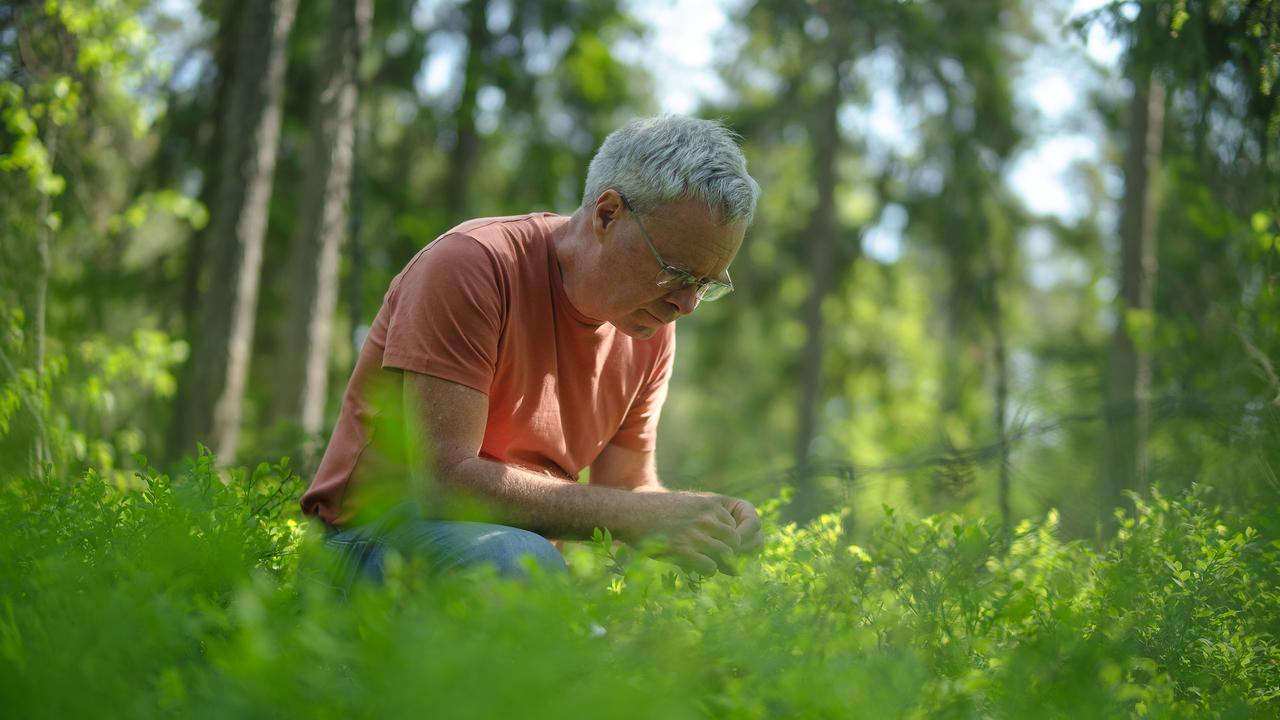
David Wardle, professor at the Department of of Ecology, Environment and Geosciences, Umeå University.
ImageA, Alexandra Granath“It is highly dynamic, with continuous energy flow and rapid biological activity, but it is also sensitive to environmental changes” says David Wardle, Professor at the Department of Ecology, Environment and Geosciences at Umeå University.
Mixed forests create more biomass aboveground which shades the ground more, lowering the temperature and affecting the activity in the soil. This is one likely cause to the phenomenon, says Wardle. But the results point at other, more tree species-specific factors that dictate how soils function in the long term.
“Ultimately, long-term forest health depends on the soil food web’s ability to process organic inputs and release nutrients in forms that plants can use” says David Wardle.
Read the article Tree community resource economics control soil food web multifunctionality
