
We cordially invite you to attend the Umeå Infection Symposium on Friday 29 May 2026. Get inspired by the invited keynote speaker and learn about novel research approaches and directions at Umeå University. The registration is closed.
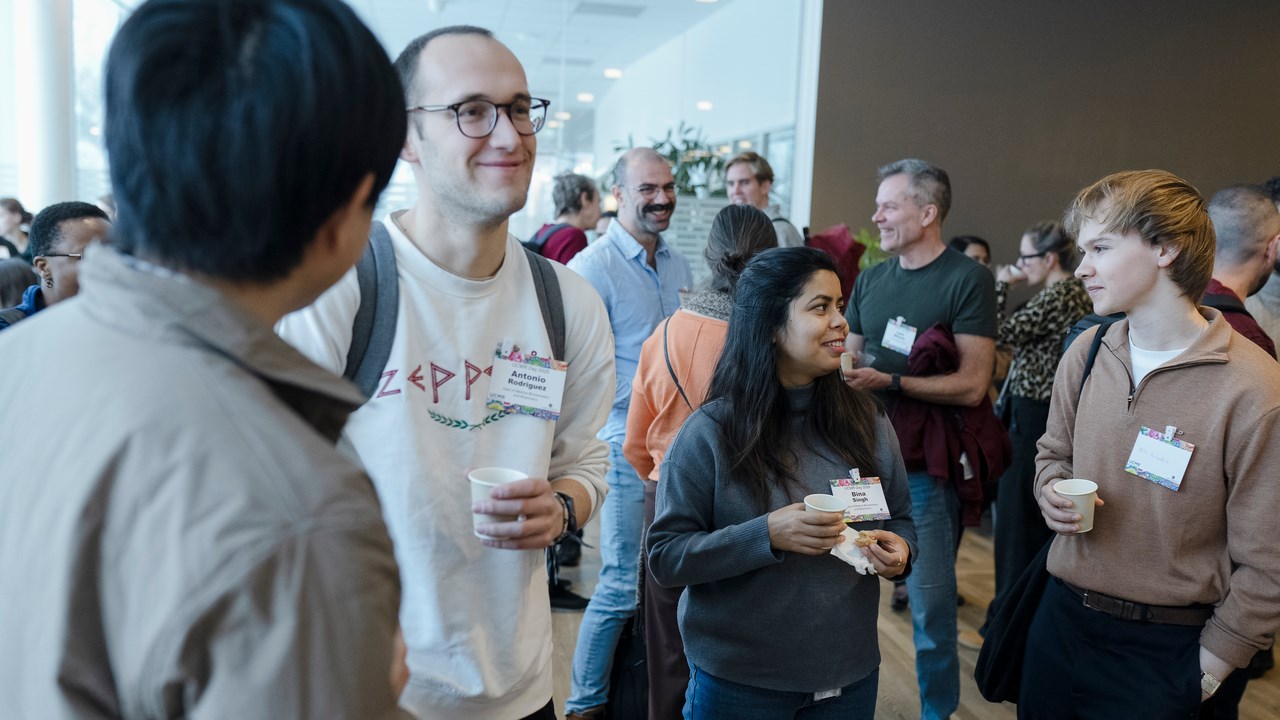
There is plenty of time to network at the Umeå Infection Symposium.
ImageMattias PetterssonThe symposium is aimed for all scientists and staff members interested in microbial and infection research. The event is jointly organized by the Laboratory for Molecular Infection Medicine Sweden, MIMS, and Umeå Microbial Research Centre, UCMR, at Umeå University.
The registration is closed.
The scientific symposium takes place on Friday 29 May at 9:15-14:30, including a pre-event coffee from 8:45, and a lunch that gives all participants the opportunity to mingle and continue the scientific discussions. In the afternoon, we invite all participants for coffee and cake.
The venue for the symposium is Rex in the City hall in Umeå (Rådhusesplanaden 2A).
ImageMatt Wong
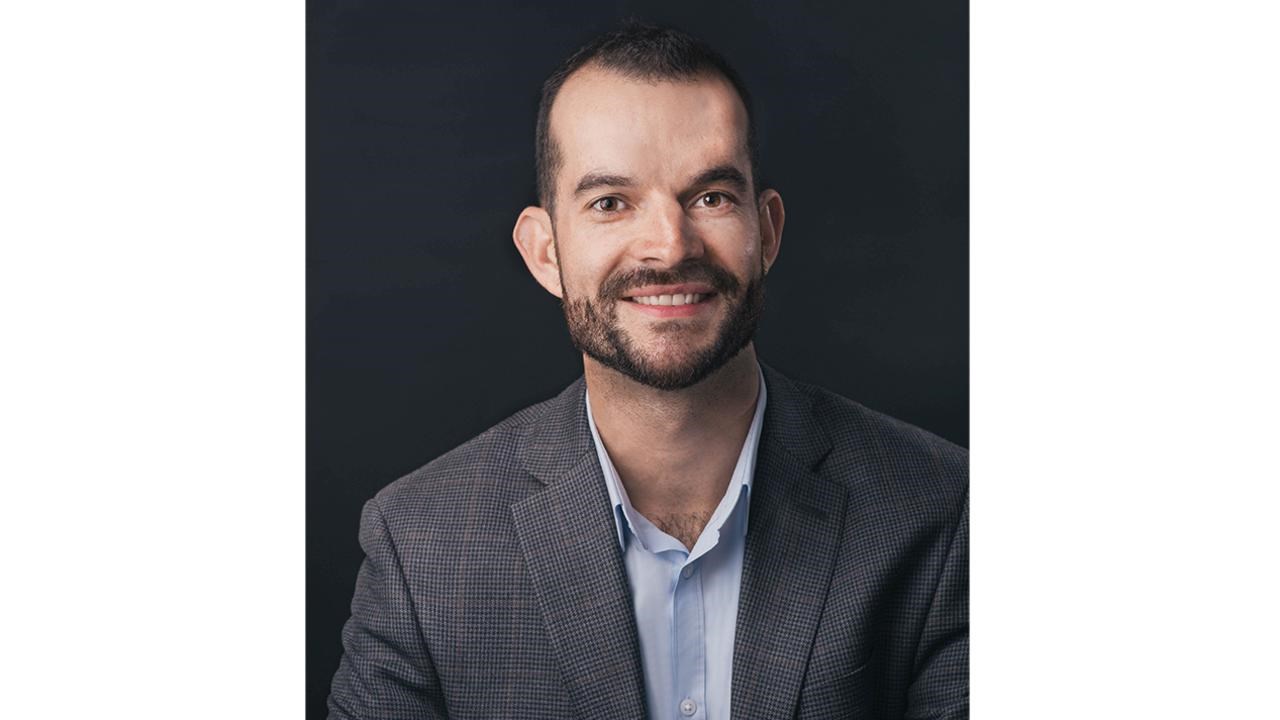
Sam Sternberg, Ph.D
Associate Professor, Howard Hughes Medical Institute, Columbia University
Abstract: Bacteria deploy diverse antiviral systems to defend against foreign pathogens, including CRISPR–Cas nucleases that use guide RNAs to target DNA cleavage, establishing RNA-guided immunity as a central paradigm. Our recent work uncovered a complementary strategy: defense-associated reverse transcriptases (DRTs) that use template RNAs to direct DNA synthesis during phage infection. DRT2 and DRT9 systems generate distinct DNA products — de novo genes and toxic homopolymers through unconventional reverse transcription mechanisms. More recently, we identified DRT10, which catalyzes protein-primed, RNA-templated synthesis of tandem-repeat DNA via a structured ncRNA. This repeat addition mechanism closely parallels telomerase, with shared requirements for template boundary definition and iterative realignment during DNA synthesis. Phylogenetic and structural analyses suggest that telomerase evolved from bacterial DRT-like enzymes, revealing an unexpected evolutionary link between antiviral immunity and eukaryotic chromosome maintenance. Together, these findings expand RNA-guided immunity beyond CRISPR and establish reverse transcription as a broadly conserved strategy for nucleic acid-based defense.
8:45-9:15 REGISTRATION AND COFFEE
9:15-9:30 WELCOME by the Directors
Fredrik Almqvist (UCMR) and Oliver Billker (MIMS)
9:30-10:30 KEYNOTE LECTURE, DGSS seminar
Sam Sternberg, Ph.D, Associate Professor, Howard Hughes Medical Institute, Columbia University: RNA-guided and RNA-templated antiviral immunity
10:30-11:00 TALK 1
Meaghan Flagg, new MIMS group leader: Development and application of human organoid models for pathogenesis studies of emerging respiratory viruses
11:00-11:15 SHORT BREAK
11:15-11:45 TALK 2
Max Renner, UCMR PI and new MIMS Investigator: Structural virology from particles to tissue
11:45-13:00 LUNCH
13:00-13:30 TALK 3
Barbara Sixt, MIMS group leader and UCMR PI: Towards sustainable strategies in the fight against chlamydia
13:30-14:00 TALK 4
Andreas Luttens, Karolinska Institutet, new MIMS Investigator: Exploring antimicrobial chemical space with knowledge-distillation models
14:00-14:30 TALK 5
Annasara Lenman, UCMR PI and new MIMS Investigator: The role of hyaluronan in viral lung disease: from coronaviruses to hantaviruses
14:30 CLOSING WORDS
COFFEE WITH CAKE MINGLE
14:45 and onwards ... DEPARTURE