

"False"
Skip to content
printicon
Main menu hidden.
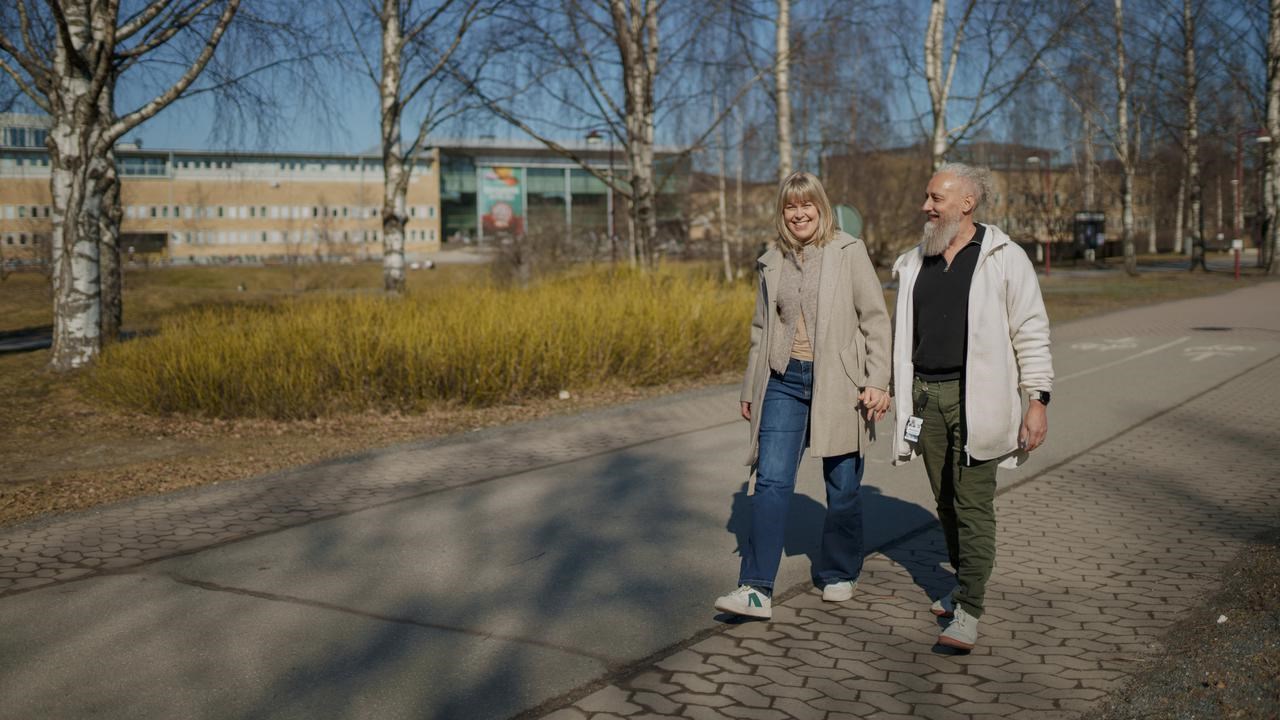
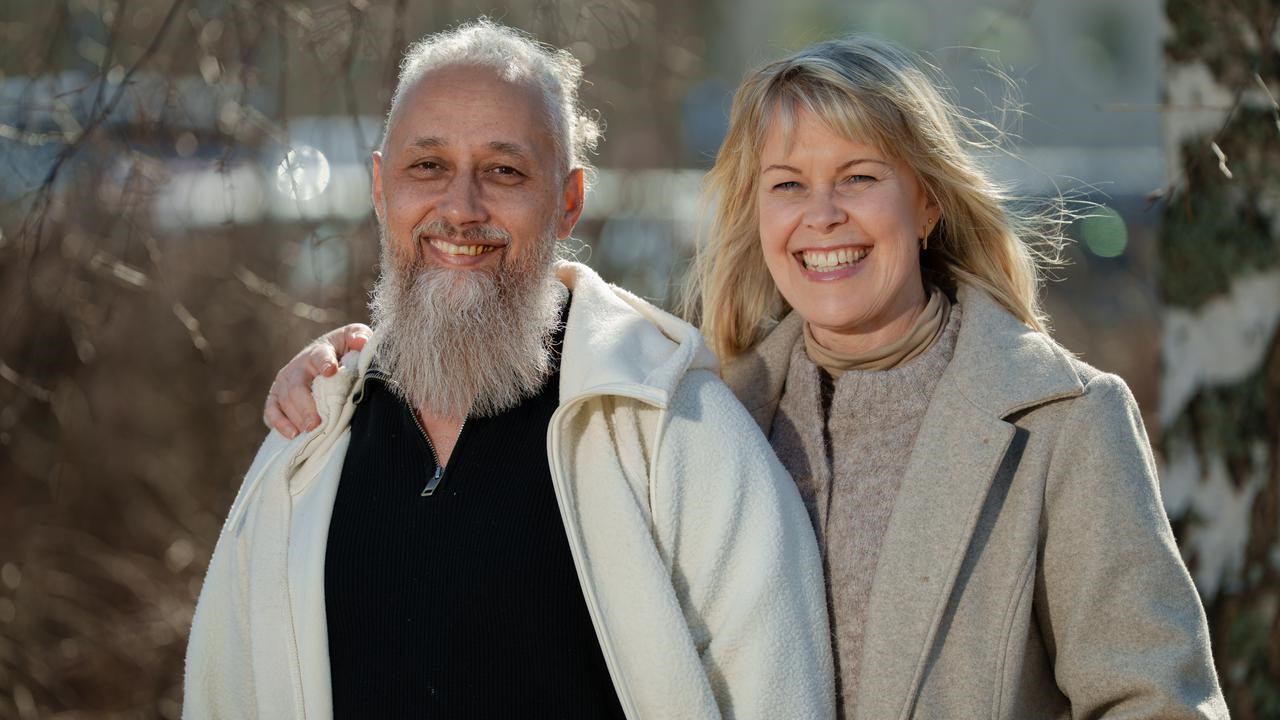
ALS forskare Ulrika Nordström och Matthew Marklund
Published: 2026-05-12

Conferred as doctors – 20 years after their PhD defences

PROFILE Matthew Marklund and Ulrika Nordström moved to Italy at the very time they should have been formally promoted as doctors. Twenty years on, they are back in Umeå, working to address the many unanswered questions surrounding the fatal disease ALS. At the the Spring Graduation on 23 May, they will finally receive their laurel wreaths, doctoral rings and diplomas. “This is a memory for life,” says Ulrika Nordström.

Image: Mattias Pettersson
ALS forskare Ulrika Nordström och Matthew Marklund

Ulrika Nordström, who grew up in Boden, became interested in research after watching the documentary The Miracle of Life by photographer Lennart Nilsson. She studied molecular biology at Umeå University and secured a summer job in a laboratory.

Matthew Marklund spent his early school years in Umeå after a childhood of travelling, as his father worked for Sida (the Swedish International Development Cooperation Agency). He initially educated as a chemical engineer, while also taking courses in biology. Like Ulrika, he applied for a summer job after his biology studies at the university – and ended up in the very same laboratory.

We simply work better when we work together.

It was there, side by side, hatching chicken eggs, that Matthew Marklund and Ulrika Nordström’s shared life journey began. Today, more than 25 years later, they are still working together at Umeå University and have just submitted a research article on how aggregated proteins that can cause ALS spread through the nervous system.

“We simply work better when we work together, it feels like,” says Ulrika Nordström.

The summer job in the laboratory, where they studied brain development, eventually led to doctoral studies. They became parents, and they both defended their PhDs.

This is when most newly qualified doctors choose to be formally conferred during the Spring Graduation. But Matthew and Ulrika chose instead to move to Italy. Matthew had been offered a postdoctoral position at an EMBL laboratory (EMBL = the European Molecular Biology Laboratory). Ulrika, who had just given birth to the couple’s second child, followed him. After a period of parental leave, she too began her postdoctoral studies – in the same lab.

Longing home to Sweden

After three years in Italy, they began to long for Sweden again.

“It was wonderful to live in Italy, but everyday life was quite complicated in many ways,” says Ulrika Nordström.

They moved to Lund, where Ulrika took up a position in Parkinson’s research at Lund University, while Matthew continued his postdoctoral research on mRNA-binding proteins at Rigshospitalet in Copenhagen.

But the couple longed even further north, closer to family and friends. After five years in southern Sweden, a position became available in Peter Andersen’s laboratory at Umeå University, which Ulrika secured. It was now Matthew’s turn to follow. Before long, he too was offered a position, in Thomas Brännström’s lab.

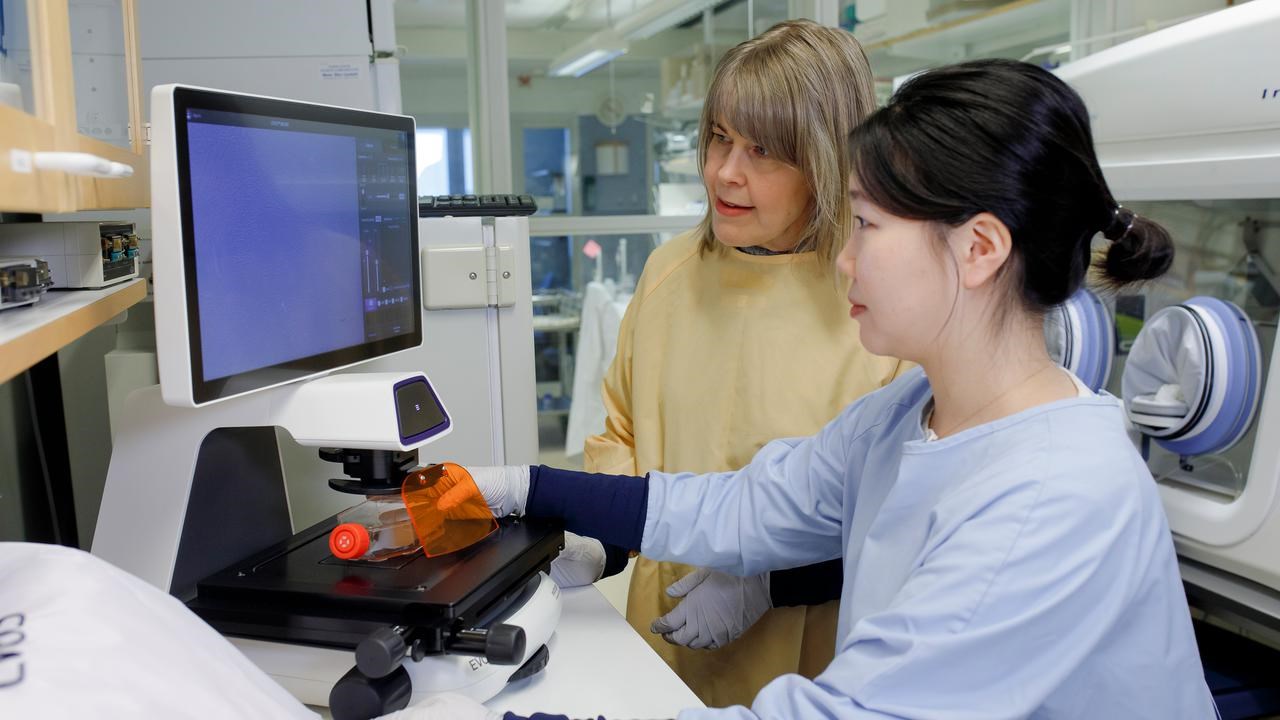
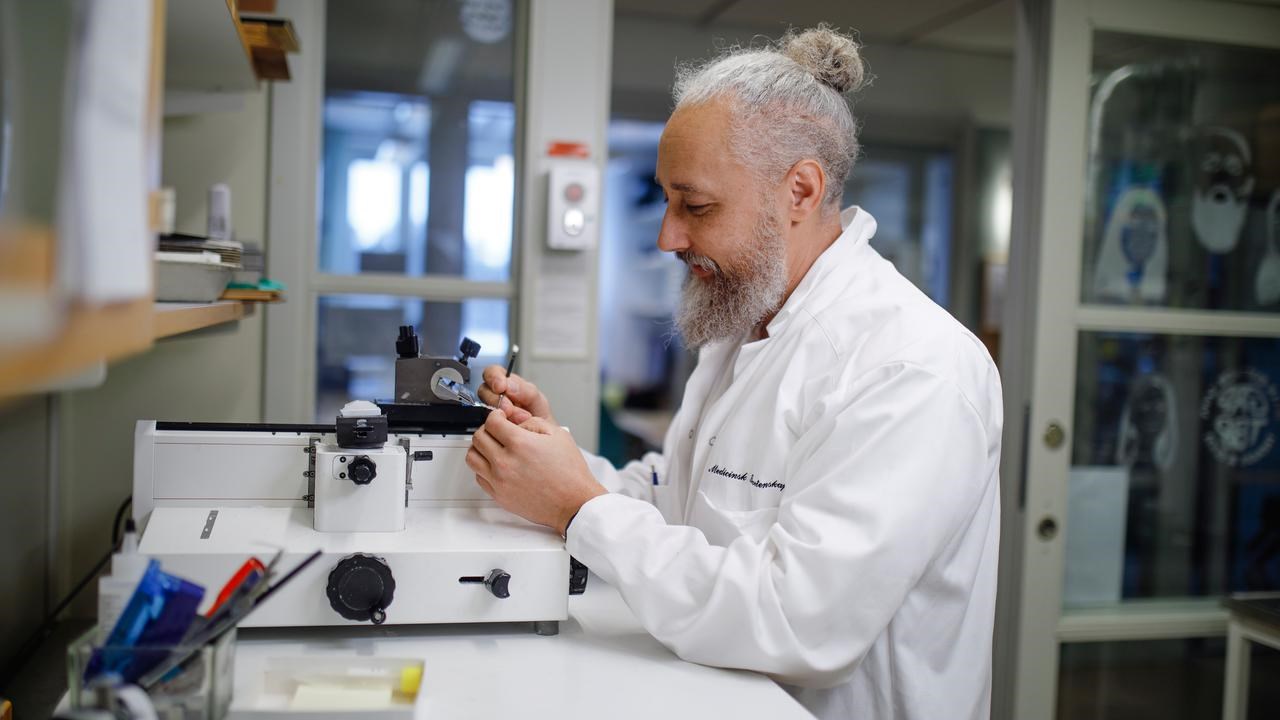
They found themselves back in the same building where they had first met. Now in different laboratories, but working closely together as part of the same ALS research team, they both hold the title of staff scientist and act as their supervisors’ right-hand colleagues in the laboratory, with a wide range of responsibilities.

Read more about ALS research at Umeå University.

What is it about ALS research that fascinates you?

“It’s a natural continuation of my doctoral research,” says Ulrika Nordström.

“But it is also a disease that, until very recently – even though there is now a drug that works for many patients but has not yet been approved in Sweden – has been a particularly challenging field. ALS is not a single disease, but many different diseases grouped under one umbrella. There are more than 50 genes associated with ALS, governing different cellular processes,” she explains.

Read more: Breakthrough in ALS research – new gene therapy slows down disease progression

Another motivating factor is working in a field where research can lead to tangible benefits.

“Above all, being able to help with the application of research findings. It is rewarding to be involved in research that can lead to treatments and genuinely help someone here and now,” says Matthew Marklund.

The answers lie in basic research

At the same time, while it is of course satisfying to see direct applications of research, basic research is essential to understanding the underlying reasons why people develop ALS in the first place. Unfortunately, studying the disease is extremely costly, meaning that much research funding goes towards developing treatments and drugs, and far less towards fundamental research.

“You have to invest astronomical sums in a clinical ALS trial – hundreds of millions. Funders therefore want to be able to draw clear conclusions from the studies,” says Matthew Marklund.

As long as we do not understand the fundamental causes of ALS, we will not be able to develop broader treatments that can help more patients.

Given that ALS represents a spectrum of different diseases with varying symptoms, it is extremely difficult to identify a sufficiently homogeneous group for clinical trials that allows reliable conclusions to be drawn. As a result, trials can only include small patient groups, meaning that only a limited number of patients can benefit.

“If you include too many different patients, there is a risk that no conclusions can be drawn at all – and then millions have essentially been wasted,” says Matthew Marklund.

What is ALS?

ALS is a fatal disease in which motor neurones in the brain and spinal cord degenerate, leading to progressive muscle weakness, muscle wasting and paralysis.

Around 400 people in Sweden are diagnosed with ALS each year.

Most people who develop ALS are in their 60s, and the disease is slightly more common in men, although it can occur at any age.

Approximately 10–15 per cent of ALS patients have a hereditary form of the disease, while 85–90 per cent have sporadic, non-hereditary ALS.

There is currently no cure for ALS. However, there is a treatment that appears to halt the progression of the disease in some patients with a form of ALS caused by a mutation in the SOD1 gene. The treatment has not yet been approved in Sweden due to its high cost.
Nevertheless, without basic research it is impossible to address the root cause.

“In many respects, we are still trying to understand why people develop ALS at all, if they do not have the inherited forms. As long as we do not understand the fundamental causes of ALS, we will not be able to develop broader treatments that can help more patients. Basic research must be prioritised, rather than only solutions based on what we already know. And basic research takes time,” says Ulrika Nordström.

In the research study they have recently submitted to Acta Neuropathologica Communications, they believe they have identified a piece of the puzzle that may determine whether the disease spreads rapidly or slowly through the nervous system.

“If you can prevent that process, you can slow the progression of the disease,” says Matthew Marklund.

A long-awaited celebration

Research aimed at answering the many questions surrounding ALS continues for Matthew Marklund and Ulrika Nordström. But first, there is something to celebrate. This year marks 20 years since they chose postdoctoral positions in Italy instead of being formally conferred as doctors.

The idea of holding the ceremony has never quite left them – and what better occasion than an anniversary? At the Spring Conferment Ceremony on 23 May, the time has finally come.

“I’ve thought several times that it would be nice. Now it’s 20 years since we should have been conferred, so I said to Matthew: let’s do it. It’s not every day you get to attend a formal celebration and dance to a big band. We’re creating memories for life,” says Ulrika Nordström.