"False"
Skip to content
printicon
Main menu hidden.
Published: 2026-11-13

1.8 million SEK for research on infections and heart attacks

NEWS Why do some people suffer a heart attack in connection with an infection? With 1.8 million SEK in funding from the Swedish Heart-Lung Foundation, researchers at Umeå University will investigate which infections carry the highest risk and which individuals are particularly vulnerable.

It was both an honour and very exciting to receive the news

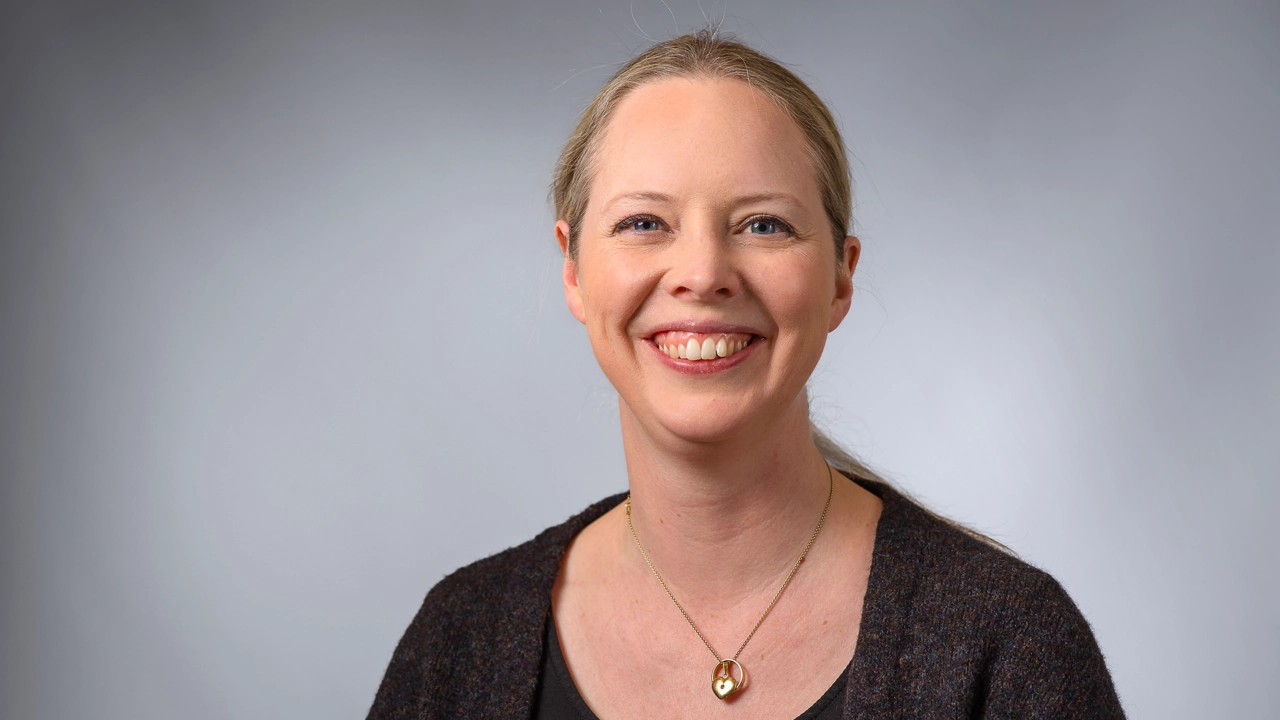
“It was both an honour and very exciting to receive the news. I am grateful that the Swedish Heart-Lung Foundation has chosen to support our research on the link between infections and heart attacks. The grant gives us a great opportunity to take these questions further,” says Anne-Marie Fors Connolly, Associate Professor at the Department of Clinical Microbiology at Umeå University and resident physician in Clinical Microbiology at Region Västerbotten.

Seeking to understand who is most vulnerable

It is already known that infections can increase the risk of heart attack. However, important questions remain about which infections carry the greatest risk, how the severity of an infection affects that risk, and which individuals are most vulnerable.

“In the new CRITICAL HEART project, we want to learn more about which infections, including which specific bacteria and viruses, are associated with the greatest risk, how the severity of the infection affects the risk, and how long the increased risk persists,” says Anne-Marie Fors Connolly.

The researchers will link laboratory results with Swedish registry data and compare the findings with Danish data. This will make it possible to study the association between infections and heart attacks at the population level and determine whether the findings from Sweden also apply to another population.

Another part of the project focuses on identifying signs that could indicate which individuals are particularly vulnerable. The researchers will therefore analyse biomarkers, measurable substances in the blood, that may reflect damage to the protective lining of the blood vessels. This lining helps blood vessels function normally.

“By using stored blood samples collected before the infection, we can investigate whether these markers can identify increased vulnerability even before a person becomes ill.”

Collaboration in Sweden and Denmark

The grant makes it possible to combine Swedish and Danish data. The project will therefore strengthen the collaboration with Professor Tyra Grove Krause, Denmark’s counterpart to Sweden’s State Epidemiologist and a senior consultant in public health medicine at Statens Serum Institut in Denmark.

Anne-Marie Fors Connolly will also continue her collaboration with cardiologist Ioannis Katsoularis at the Department of Public Health and Clinical Medicine, for whom she previously served as co-supervisor during his doctoral studies.

“For me, it is particularly rewarding to continue working with Ioannis. His clinical experience is valuable to the project.”

The biomarker studies will be conducted together with Marta Bally’s research group at the Department of Clinical Microbiology at Umeå University.

Hoping to prevent more heart attacks

In the longer term, Anne-Marie Fors Connolly hopes that the findings can be used to improve the prevention of heart attacks among people who are particularly vulnerable.

“I hope our research will help healthcare professionals identify which patients are at greatest risk of a heart attack in connection with an infection. Knowing which infections carry the greatest risk, and when that risk is highest, could give physicians a better basis for follow-up and preventive measures.”

If the researchers also identify useful biomarkers, these could eventually contribute to more accurate risk assessments.

“The goal is to prevent more heart attacks and target preventive measures to those who need them most,” says Anne-Marie Fors Connolly.

Facts about CRITICAL HEART

CRITICAL HEART – Comprehensive research on infections triggering acute cardiovascular incidents and long-term health effects: Epidemiology and risk translation.

The Swedish Heart-Lung Foundation is supporting the project with SEK 1.8 million over three years.

The project investigates how different infections and their severity affect the risk of heart attack. The researchers will also study biomarkers that could help identify particularly vulnerable individuals. In the longer term, the findings could contribute to more targeted preventive measures.

Read more about research supported by the Swedish Heart-Lung Foundation

For more information, please contact:

Anne-Marie Fors Connolly
Associate professor
E-mail
Email