

NEWS Could mosquito-borne viruses such as West Nile and Usutu become a greater concern in Sweden as the climate gets warmer? Research fellow Olivia Wesula Lwande has received nearly 9 million SEK from Formas to investigate this question.
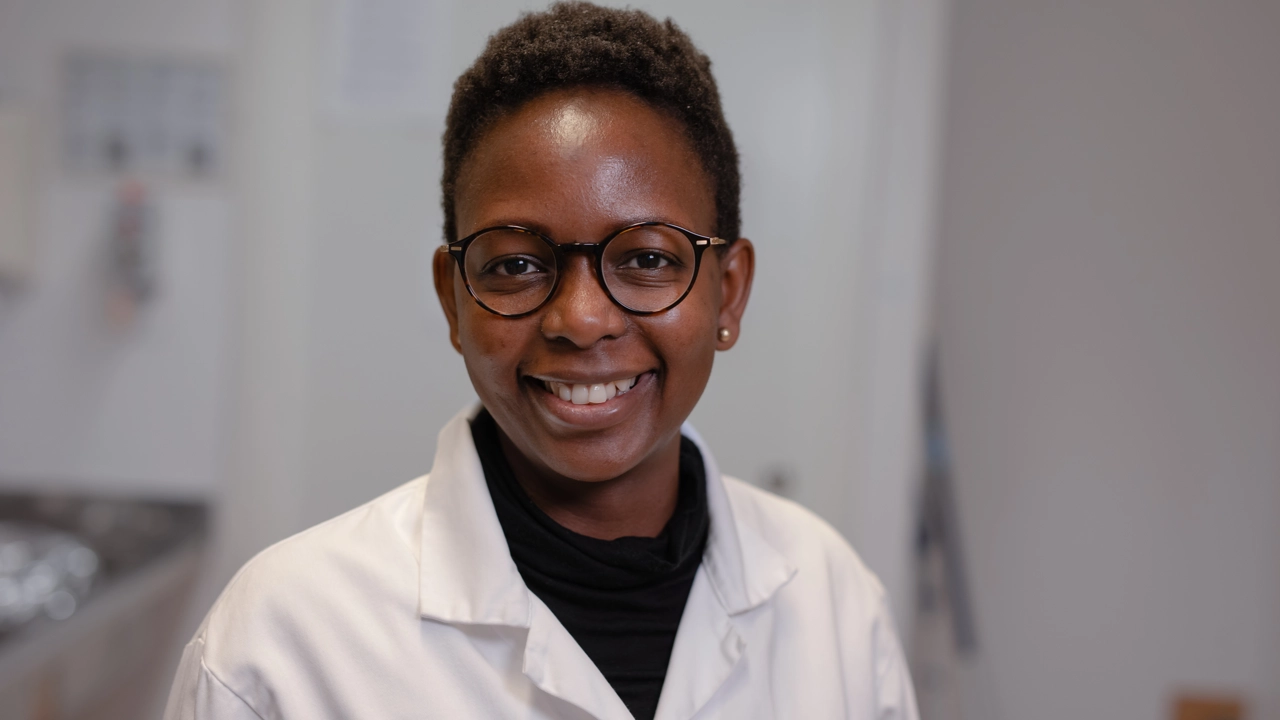
Olivia Wesula Lwande is a researcher at the Department of Clinical Microbiology at Umeå University.
ImageMattias PetterssonWe asked Olivia Wesula Lwande, who has just been appointed as a senior lecturer at Lund University, five questions about this buzzing new research.
“I am truly grateful for this support. It gives us an important opportunity to address an emerging public health concern in Sweden and generate the evidence needed to better understand and anticipate these infections.”
“Both are mosquito-borne viruses that circulate mainly between mosquitoes and birds but can also infect humans. West Nile virus can cause severe neurological disease, while Usutu virus has also been associated with neurological complications, although severe human disease is less commonly reported. As their potential impact in Sweden remains insufficiently understood, we need to strengthen our preparedness, particularly to protect vulnerable individuals.”
“Warmer temperatures could create more favourable conditions for mosquito activity and virus transmission, potentially extending the transmission season. However, the actual risk depends on several factors. Our project will investigate how Swedish mosquitoes respond to projected climate scenarios to help us better understand how these risks may evolve.”
I am particularly excited about bringing together mosquito experiments, studies of people at increased risk of severe disease, and climate-based risk modelling. Understanding whether Swedish mosquitoes can transmit these viruses under future climate conditions, alongside investigating previous exposure in vulnerable populations, will help us build a clearer picture of the potential risks.
“I hope the project will contribute to a sustainable national surveillance system, clearer clinical testing guidance and a climate-informed early warning system. Ultimately, the goal is to support earlier detection, better-informed public health decisions and improved protection for those most at risk.”
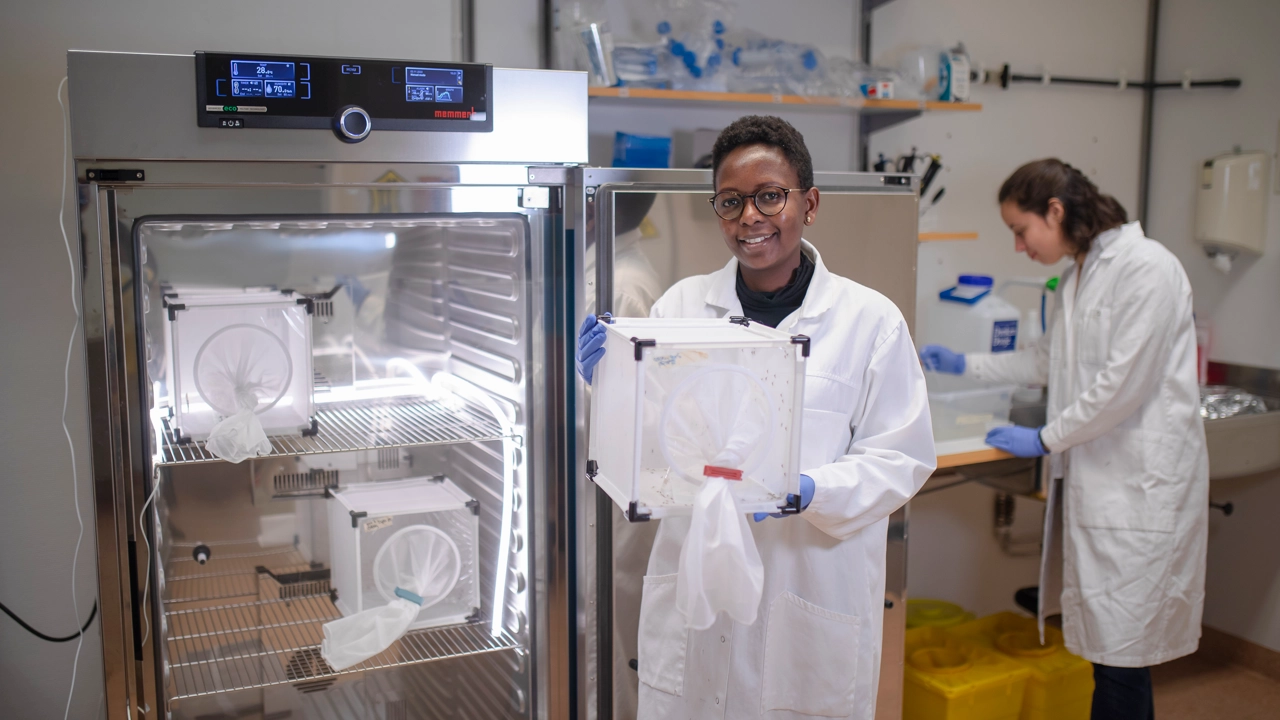
Olivia Wesula Lwande is excited that the new project combines mosquito experiments, studies of people at increased risk of severe disease, and climate-based risk modelling.
ImageMattias Pettersson