

NEWS Promoting good research practice is not only about taking action when something has gone wrong. Umeå University actively works to prevent problems from arising, including by creating opportunities to discuss ethical dilemmas encountered in everyday research. An open seminar will be held at Campus Umeå on 17 November.
Good research practice means conducting research in a reliable, honest, respectful and accountable manner throughout the entire research process, from the initial idea and implementation to publication and communication.
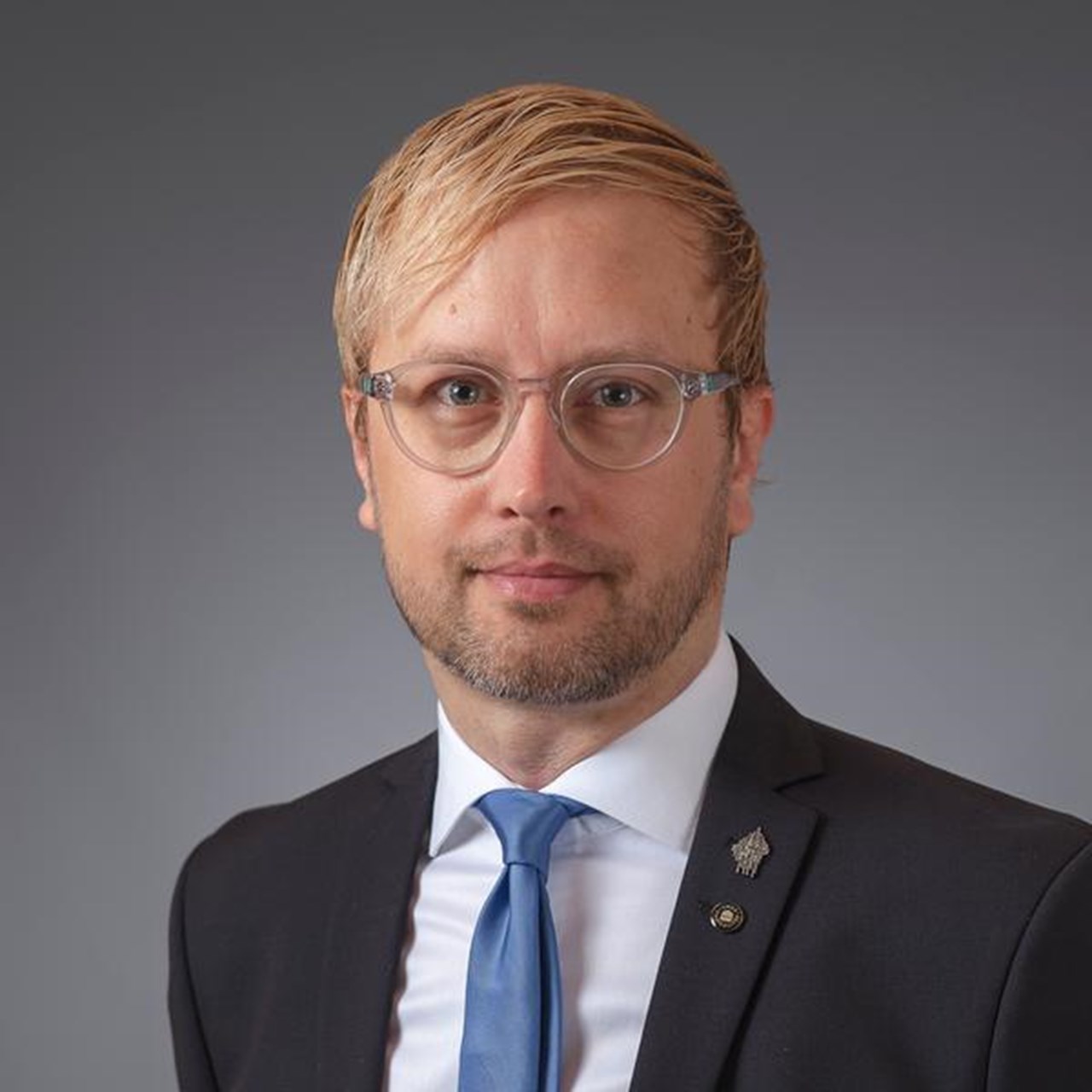
Patrik Danielson, Pro-Vice-Chancellor and chair of the Council for the Promotion of Good Research Practice (REDA).
ImageHans KarlssonResponsibility for ensuring that research is conducted in accordance with good research practice rests with both individual researchers and the University. Umeå University therefore actively works not only to address suspected deviations, but also to prevent problems from arising.
“Research is built on trust. When research is not conducted ethically and correctly, that trust can quickly be lost. Active and preventive work on good research practice is therefore an important part of safeguarding both the quality of research and trust in it,” says Patrik Danielson, Pro-Vice-Chancellor and chair of the Council for the Promotion of Good Research Practice (REDA) at Umeå University.
REDA plays a key role in this preventive work and serves as a University-wide strategic resource for the Vice-Chancellor. Among other things, the Council is tasked with proposing and following up preventive measures, contributing to the development of procedures and systems, and creating opportunities for faculties and departments to exchange experiences on research ethics and good research practice.
Part of this work involves creating opportunities to discuss research ethics issues that may arise in day-to-day research.
In June, REDA held an open seminar for Umeå University staff on issues relating to publishing and co-authorship. A new seminar will be held on 17 November.
“There was a great deal of interest in June. The seminar was well attended and prompted many questions and discussions. We therefore decided to follow it up with another event in November,” says Patrik Danielson.
On 17 November, the focus will be on pressure to publish, academic merit and ethical issues surrounding co-authorship. The seminar will address, among other things, conflicts over who should be listed as an author, differences between formal guidelines and practices across research fields, and how pressure to publish can affect research environments.
As a university, we need to provide researchers with the right conditions to get things right from the start. That is why we want to create opportunities for these conversations.
Particular attention will also be paid to junior researchers and the dilemmas that can arise when they are in a position of dependence on supervisors or other more senior researchers. The seminar is primarily aimed at researchers, doctoral students and teaching staff at Umeå University.
“There are many grey areas in the research process where different interests, norms and expectations come into conflict. We believe there is great value in discussing these issues before they develop into conflicts or problems. As a university, we need to provide researchers with the right conditions to get things right from the start. That is why we want to create opportunities for these conversations,” says Patrik Danielson.
The seminar will take place from 15:00 to 16:30 in Aula Biologica in the Biology Building at Campus Umeå. The event will be held in English.
Read more and register by 12 November.
The seminar is part of REDA’s proactive work to promote good research practice at Umeå University. Other current matters on the Council’s agenda include assessing the need for a policy on the use of AI in research, supporting internal work to develop adapted procedures in preparation for the changes to the Ethical Review Act decided by the Swedish Parliament, and reviewing internal recommendations for preventing so-called ethics dumping.