


"False"
Skip to content
printicon
Main menu hidden.
Published: 2026-04-14

Images and risk communication boost motivation for better heart health

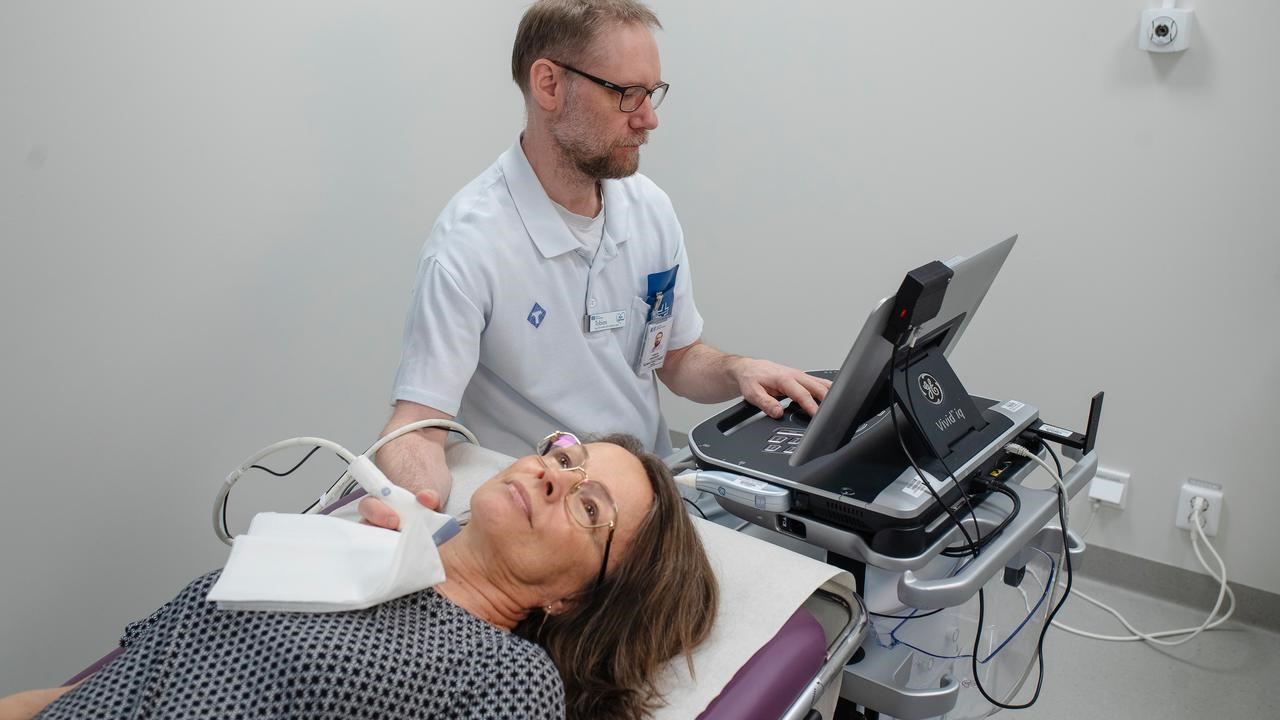
NEWS When health risks become visible in black and white, perspectives often shift. A study from Umeå University shows that when ultrasound images of atherosclerosis in subjects’ carotid arteries, combined with a motivational dialogue, they are more likely to be motivated to improve their lifestyle habits and take preventive medication.

When people see their own arteries, not as numbers, but as images, something happens

“When people see their own arteries, not as numbers, but as images, something happens. It suddenly becomes concrete, and many describe a stronger perception that they can influence their future health. That is often where the motivation for change begins,” says Margareta Norberg, Senior Research Fellow at Department of Public Health and Clinical Medicine at Umeå University.

Heart attack and stroke remain the leading causes of death among both women and men. These cardiovascular diseases are usually caused by atherosclerosis, which is associated with risk factors such as unhealthy lifestyle habits, high blood pressure, elevated blood lipids, diabetes and hereditary predisposition.

At the same time, cardiovascular diseases are to a large extent preventable through healthy lifestyle changes and, when needed, medication. Despite this, many people struggle to understand and act on their personal risk.

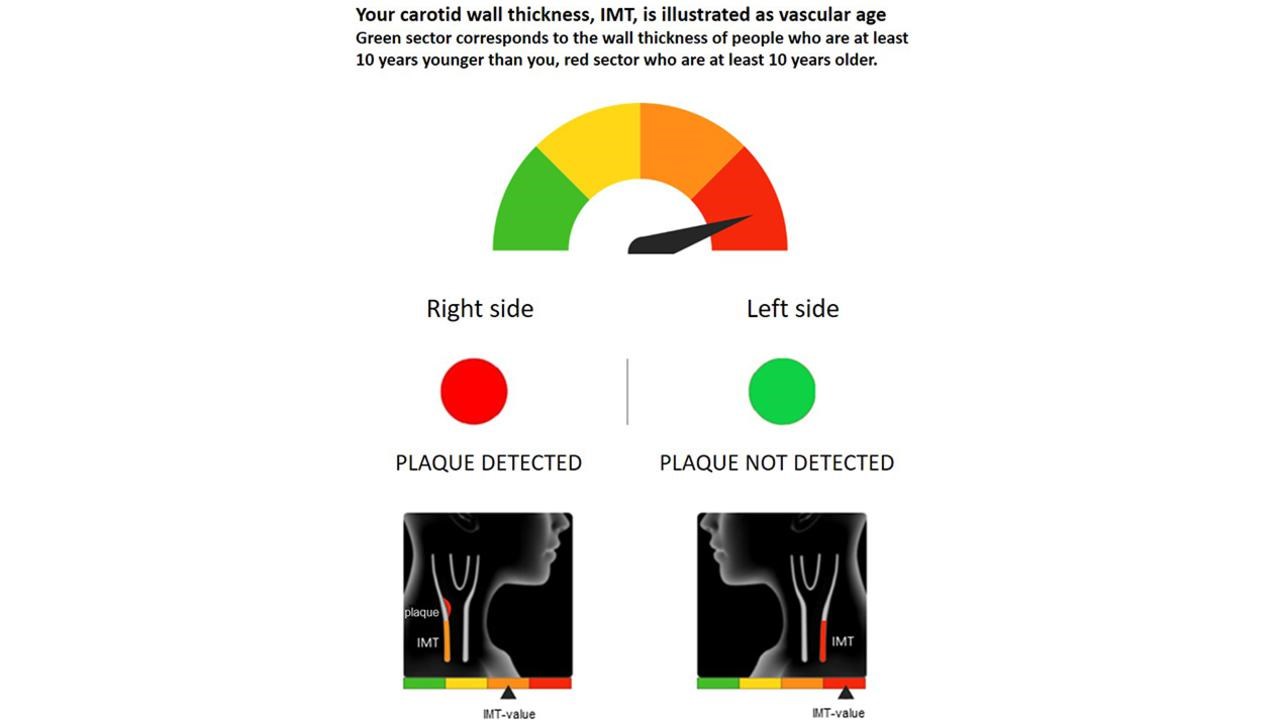
Ultrasound imaging of arteries can reveal early signs of atherosclerosis before any symptom has occurred. When this information is presented visually and linked to an individual’s personal risk profile, the connection becomes clearer and more actionable.

Two groups, different information

The study included approximately 3,500 participants in Västerbotten Intervention Program aged 40–60, all of whom within VIPVIZA underwent ultrasound imaging of their carotid arteries.

Half of the participants received their results visualised as colour‑coded images, accompanied by information about their “vessel age”, written information about the dynamic nature of atherosclerosis, and a structured motivational dialogue with a trained nurse. Their primary care physicians received the same information about the ultrasound result.

The other half (the control group) and their physicians initially did not receive any information about the ultrasound findings. Preventive measures in both groups were carried out in collaboration with the individual within regular healthcare according to clinical guidelines, without influence from the research team.

Results in the short and long term

After one and three years, the group that had viewed their images showed a lower estimated risk of cardiovascular disease, more favourable development of several risk factors and greater motivation to follow advice and treatment.

At the three‑year follow‑up, the control group was also given access to the same visualisation and motivational dialogue. By the six‑year mark, the control group had caught up: both groups at that time point had similar risk profiles, blood pressure and weight.

“Six years is a long follow‑up period in this type of study – and everything has taken place within standard primary care. This strengthens the evidence that relatively simple tools can make a meaningful difference over time,” says Margareta Norberg.

The researchers also observed a clear reduction in harmful LDL cholesterol in both groups over time, linked to increased prescription of and better adherence to statins. This effect appeared first in the group that received visualisation and later in the control group once they, too, were given access to their ultrasound results and a motivational dialogue.

Pedagogic images support both patients and physicians. When primary care physicians have access to the same visual information, the likelihood increases that preventive treatment will be initiated and followed up.

The study is published in European Heart Journal Open and is part of the long‑term research project VIPVIZA, ongoing since 2013.


About the scientific article:

Norberg M., Wennberg P., Wester P., Själander P., and Liv P.: Evaluation after delayed and repeated intervention in the VIPVIZA-extended randomized controlled trial: beneficial results 6 years after baseline. European Heart Journal Open, Volume 6, Issue 2, March 2026, oeag047.

https://doi.org/10.1093/ehjopen/oeag047

For more information, please contact:

Margareta Norberg
Research fellow
E-mail
Email