

About the scientific publication:
Anna Omazic, Junwen Guo: Tick-borne encephalitis vaccination coverage among outdoor workers in Sweden: a nationwide survey. Vaccine, Volume 82, 2026, 128593, ISSN 0264-410X.
NEWS Although most outdoor workers in Sweden have a positive attitude towards vaccination against tick-borne encephalitis (TBE), many remain unvaccinated. A new study from Umeå University and the Swedish Veterinary Agency (SVA) highlights the barriers preventing people from getting vaccinated.

Awareness of TBE is high and most outdoor workers see the value of vaccination, yet many remain unvaccinated. The findings suggest that practical barriers, such as cost and accessibility, may be just as important as knowledge in shaping vaccination decisions.
ImageTeka77Many outdoor workers recognize the value of TBE vaccination but still choose not to get vaccinated
“Many outdoor workers recognize the value of TBE vaccination but still choose not to get vaccinated. Our findings suggest that accessibility, cost and support from employers may be just as important as knowledge about the disease,” says Dr. Junwen Guo, Staff Scientist at the Department of Epidemiology and Global Health at Umeå University.
TBE is a potentially serious disease transmitted by ticks. People working in forestry, agriculture, research, hunting and other outdoor occupations may be repeatedly exposed to tick bites.
A nationwide survey of 1,006 outdoor workers, conducted by Umeå University and the Swedish Veterinary Agency (SVA), found that 77 percent had received at least one dose of a TBE vaccine, while almost 86 percent considered vaccination to be valuable.
Overall, knowledge about TBE vaccination was high. As many as 98.7 percent of participants were aware that TBE can be prevented through vaccination. Despite this, vaccination uptake lagged behind both knowledge and attitudes, with clear differences between occupational groups, socioeconomic groups and geographical regions.
The participants’ own comments help explain why. Some appeared to assess their personal risk based on whether they had encountered ticks or TBE in their everyday lives. One participant wrote:
“Despite a lifetime of outdoor activities and outdoor work, I have never seen a tick on myself.”
Others questioned the relevance of TBE in their area or seemed to have difficulty distinguishing between different tick-borne diseases that are transmitted by the same tick species. One respondent wrote:
“TBE is not common in this area, whereas Lyme disease is.”
These comments do not suggest that outdoor workers lack knowledge about TBE. Rather, they point to a more complex issue: people may not perceive their own risk as high enough to justify vaccination.
For some participants, practical barriers were the main concern. Comments highlighted difficulties in reaching vaccination clinics, scheduling appointments and keeping track of booster doses. One participant wrote:
“My biggest barrier is having to travel into town to get vaccinated. It takes time and even parking is difficult.”

Junwen Guo, Staff Scientist at the Department of Epidemiology and Global Health at Umeå University
ImageNatthaphon Sakulvanaporn (BangkokVDO).Cost was another important factor. Nearly half of the respondents said they would be more likely to get vaccinated against TBE if the vaccine were less expensive or subsidized by their employer or public authorities.
Sweden already has systems in place to manage TBE risks in the workplace. Employers are expected to assess the risk of infection and offer vaccination when needed, and TBE vaccination is particularly recommended for people who work outdoors. However, not everyone who is frequently exposed to ticks is covered by these systems, including self-employed farmers, people who work outdoors part-time and hunters. This raises the question of whether current prevention efforts are reaching all high-risk groups.
The study also points to another challenge: the geographical expansion of TBE risk. Because vaccination must be given before infection occurs, delays can arise if new risk areas are only identified after an increase in human cases. As ticks and TBE continue to spread into new areas, it becomes increasingly important to identify high-risk individuals early enough for vaccination to provide protection. For outdoor workers, risk depends not only on where they live, but also on where and how often they spend time outdoors.
The findings raise an important question for TBE prevention:
“To stay ahead of the disease, we need to identify high-risk groups earlier and make vaccination more accessible. This requires both better tick and TBE surveillance,” says Junwen Guo.
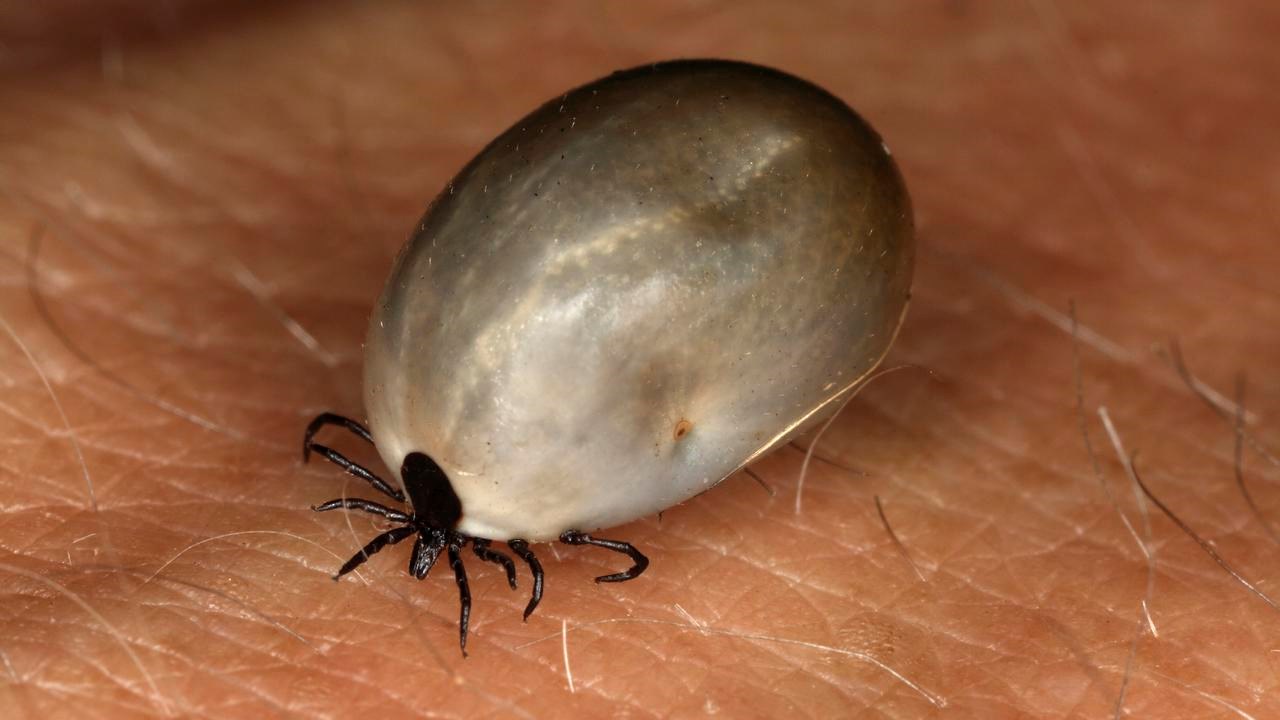
Tick-borne encephalitis (TBE) is a viral infection spread to humans through tick bites. The virus is transmitted almost instantly via the tick’s saliva when it bites. There is currently no cure for TBE, making vaccination the most effective way to protect yourself against the disease.
ImageJens Rydell, Johnér bildbyrå ABAnna Omazic, Junwen Guo: Tick-borne encephalitis vaccination coverage among outdoor workers in Sweden: a nationwide survey. Vaccine, Volume 82, 2026, 128593, ISSN 0264-410X.
