


"False"
Skip to content
printicon
Main menu hidden.
Published: 2026-04-22

Researchers turn soil bacterial protein into potent cancer cell killer

NEWS Researchers at Umeå University have turned a protein from soil bacteria into a potential new weapon against colorectal cancer. A study published in Cell Death Discovery shows how an engineered bacterial protein can trigger a unique form of cancer cell death.

It is like finding a new key to unlock a tumour’s defences

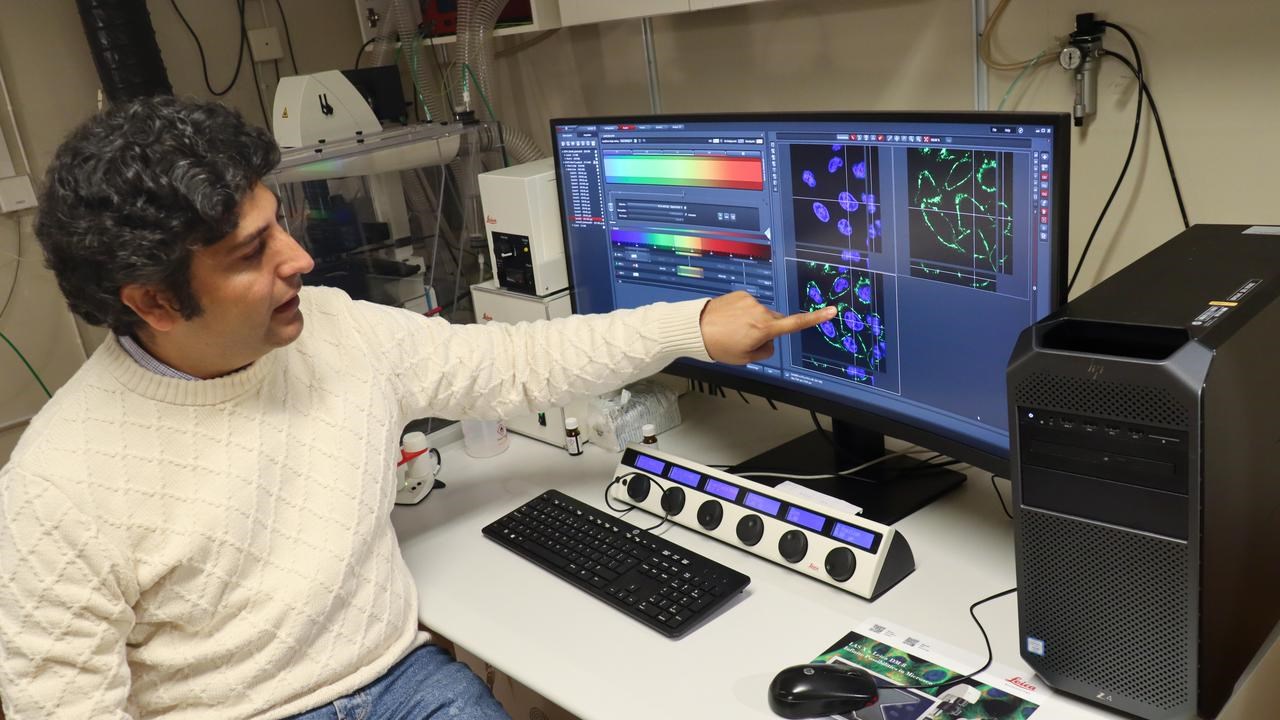
“This discovery shows that we can take proteins from naturally occurring bacteria and engineer them to attack one of the deadliest and most treatment‑resistant cancers,” says Aftab Nadeem, researcher at the Department of Molecular Biology at Umeå University and lead author of the study. “It is like finding a new key to unlock a tumour’s defences.”

Colorectal cancer is one of the leading causes of cancer‑related deaths worldwide. Although treatments such as chemotherapy are available, they often cause severe side effects and many tumours eventually become resistant.

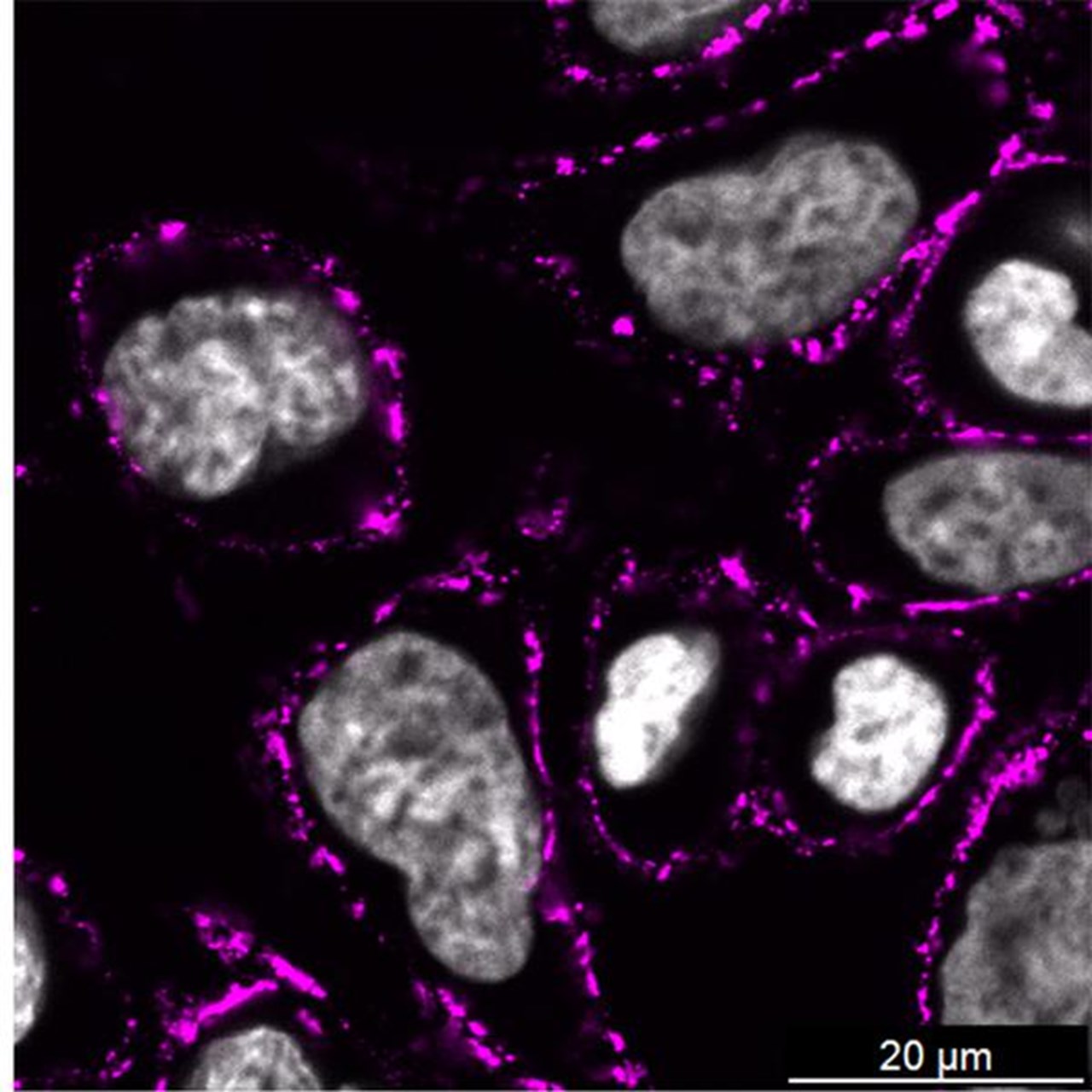
The research focuses on ferroptosis, a form of cell death caused by damaging fat‑based chemical reactions inside cancer cells. By combining a bacterial protein with a fatty acid, the researchers created a tumour‑killing complex called NheA‑O. The complex acts like a guided missile, attaching to the cancer cell membrane and disrupting the cell’s energy production in the mitochondria.

Breaking cancer’s defences

What makes the discovery unique is that the complex can bypass the cancer cell’s normal survival mechanisms. In colorectal cancer, tumour cells often rely on a built‑in protective system that prevents them from dying. The study shows that NheA‑O can break through this protection and trigger the collapse of the cancer cells.

“Without energy, the cancer cell cannot survive. We were surprised to see how efficiently NheA‑O attaches to the cancer cell and shuts down its energy supply,” says Naeem Ullah, who recently finished his position as postdoctoral researcher at the Department of Molecular Biology at Umeå University. He is first author of the study.

Test in more complex models

The research was carried out using advanced biochemical methods and cell culture models of colorectal cancer. The next step will be to test the safety and effectiveness of the protein‑lipid complexes in more complex biological systems, such as intestinal organoids and mouse cancer models.

Although clinical use is still several years away, the findings point to a new strategy for developing cancer therapies inspired by molecules found in nature.

About the scientific article:

Ullah, N., et al. Bacterial protein-oleate complexes induce ferroptosis-like cell death in colorectal cancer cells by disrupting cell membranes and inhibiting the β-catenin-GPX4 axis. Cell Death Discovery (2026). Cell Death Discov. 12, 182 (2026).

https://doi.org/10.1038/s41420-026-03097-9

For more infromation, please contact:

Aftab Nadeem
Research fellow
E-mail
Email