




"False"
Skip to content
printicon
Main menu hidden.
Published: 2026-07-18

They buzz, bite, and spread disease – but mosquitoes are essential to nature

NEWS Hundreds of billions of mosquitoes may exist in Sweden. Right now, one of them may even be circling your head as you try to fall asleep on a summer night. Mosquitoes are notorious for their itchy bites and for the diseases some species can transmit. Yet they also play an important role in nature: they pollinate plants, provide food for countless animals, and help keep ecosystems functioning.

More than 2,500 mosquito species are found in Sweden

More than 2,500 mosquito species are found in Sweden. Most belong to groups such as non-biting midges and fungus gnats, which do not bite humans at all. Around 50 species are biting mosquitoes, and it is the females that seek blood meals because they need protein for egg development.

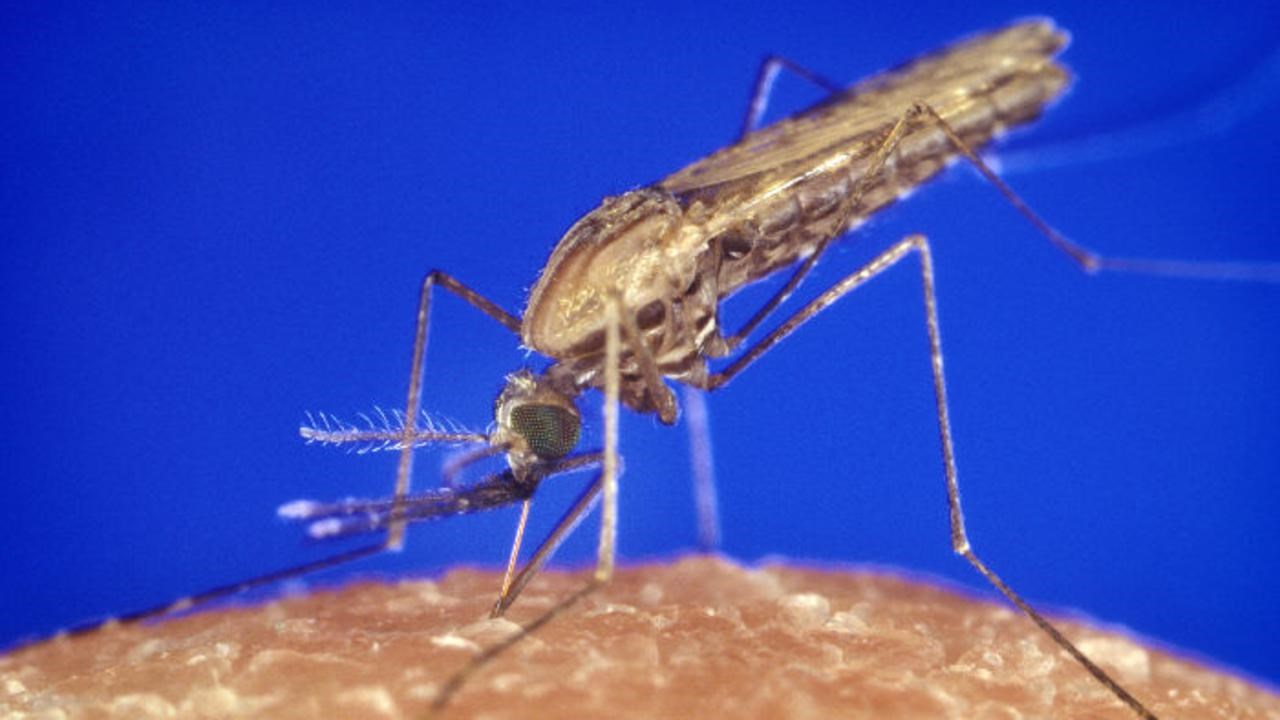
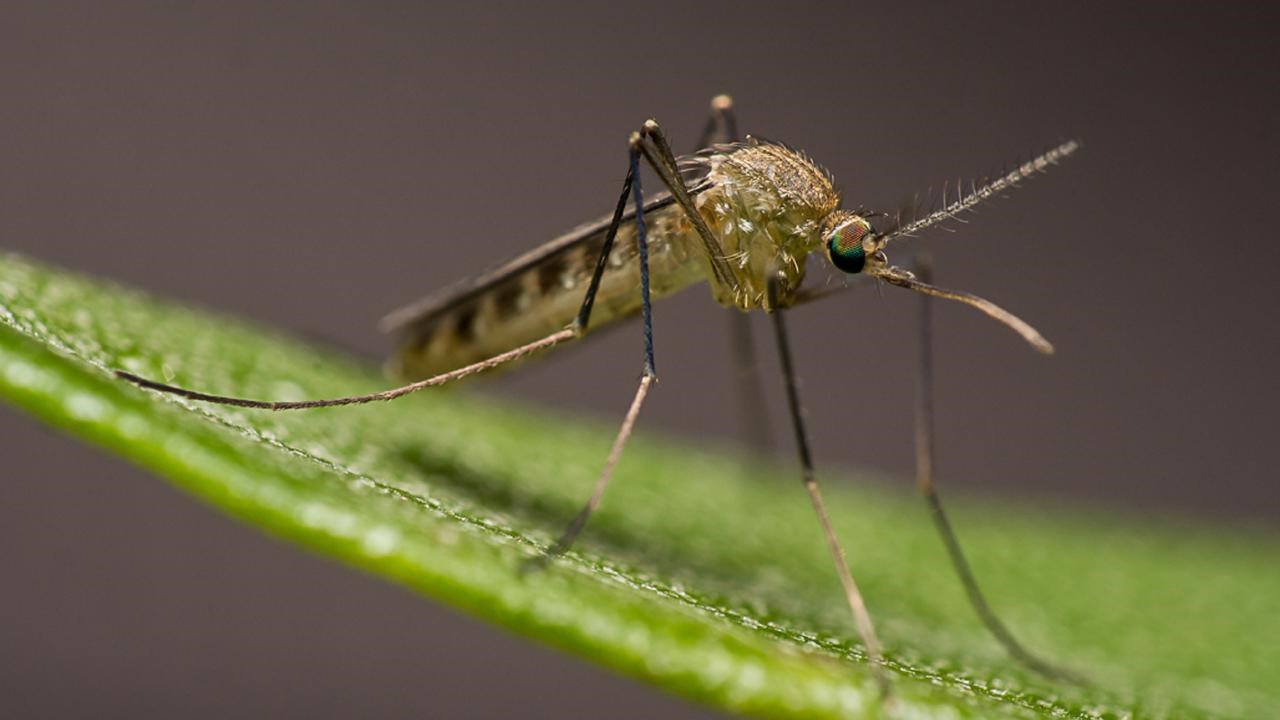
The most common group of biting mosquitoes in Sweden is the woodland mosquitoes (Aedes and Ochlerotatus). They are most active at dusk and dawn, particularly around Midsummer. Other mosquito groups include malaria mosquitoes (Anopheles), house mosquitoes (Culex), which thrive close to humans, and floodwater mosquitoes (such as Aedes vexans and Aedes sticticus).

Floodwater mosquitoes are nature’s opportunists. They wait patiently as eggs in the soil until flooding occurs. When it does, they hatch in huge numbers, and within a short time an area can become swarming with millions of hungry mosquitoes.

Mosquitoes are important vectors of viruses, bacteria, and parasites that can cause disease in both humans and animals. In Sweden, however, we are largely spared from serious diseases transmitted by biting mosquitoes.

Malaria disappeared from Sweden

Malaria was once a major public health problem in Sweden, but the disease disappeared as recently as the 1930s. Exactly why is not fully understood, but several societal changes are believed to have played a crucial role.

“Malaria did not disappear for a single reason. Better housing, reduced overcrowding, changes in the landscape, including the loss of wetlands, and increasing urbanization all reduced contact between people and mosquitoes, gradually breaking the chain of transmission,” says Ellen Bushell, researcher at the Department of Molecular Biology at Umeå University.

Seven mosquito species in Sweden are still capable of transmitting malaria, but researchers consider the risk of the disease becoming established again to be very low. In addition to requiring sustained transmission among humans, the most dangerous malaria parasite, Plasmodium falciparum, needs a much warmer climate than Sweden currently has.

“Today, we have both the knowledge and the tools needed to detect and control malaria. That makes it unlikely that the disease could become established in Sweden again,” says Ellen Bushell.

At Umeå University, researchers conduct internationally recognised malaria research. By studying Plasmodium parasites at the molecular and genetic levels, they aim to understand how the disease develops and spreads. Researchers also investigate the interaction between the parasite and the mosquitoes that transmit it. By mapping the mosquito immune system, they have gained new insights into why some mosquitoes can carry and spread malaria while others are able to fight off the parasite.

Diseases transmitted by mosquitoes

Although malaria no longer occurs in Sweden, mosquitoes can still spread diseases such as Ockelbo disease, also known as Sindbis fever.

Researchers have mapped how Ockelbo disease circulates among its hosts – birds, mosquitoes, and humans. Professor Magnus Evander and colleagues at the Department of Clinical Microbiology at Umeå University have shown that the northern house mosquito (Culex torrentium) is particularly efficient at transmitting Sindbis virus, the pathogen that causes the disease.

Professor and senior consultant Anders Sjöstedt at the Department of Clinical Microbiology, Umeå University, has studied tularemia for many years. During the popular science event Fika efter en forskare, he explained how mosquitoes, especially woodland mosquitoes, can play an important role in disease transmission.

“Mosquitoes begin life as larvae in water, and tularemia bacteria can infect the larvae. When the mosquitoes develop into adults, they can pass the infection on to humans through their bites. The disease often causes flu-like symptoms, fever, and swollen lymph nodes,” says Anders Sjöstedt.

Despite being relatively unknown internationally, tularemia is most common in Sweden and Finland, although the number of cases varies considerably from year to year.

A warmer climate may bring new mosquito species

Although tropical mosquito-borne diseases remain rare in Sweden, climate change and growing international mobility have made the issue increasingly relevant.

In 2023, the Asian tiger mosquito (Aedes albopictus) was detected in southern Sweden. This mosquito is of particular concern because it can transmit diseases including dengue fever and Zika virus infection. According to the National Veterinary Institute (SVA), all detected individuals were believed to have been collected before they could establish or spread further.

West Nile virus has caused outbreaks in several European countries in recent years. Researchers are therefore monitoring closely how both mosquitoes and the pathogens they carry are expanding into new areas.

“Research on viruses that can spread between animals and humans is important because it helps us detect and prevent future disease outbreaks,” says Olivia Wesula Lwande, researcher at the Department of Clinical Microbiology, Umeå University.

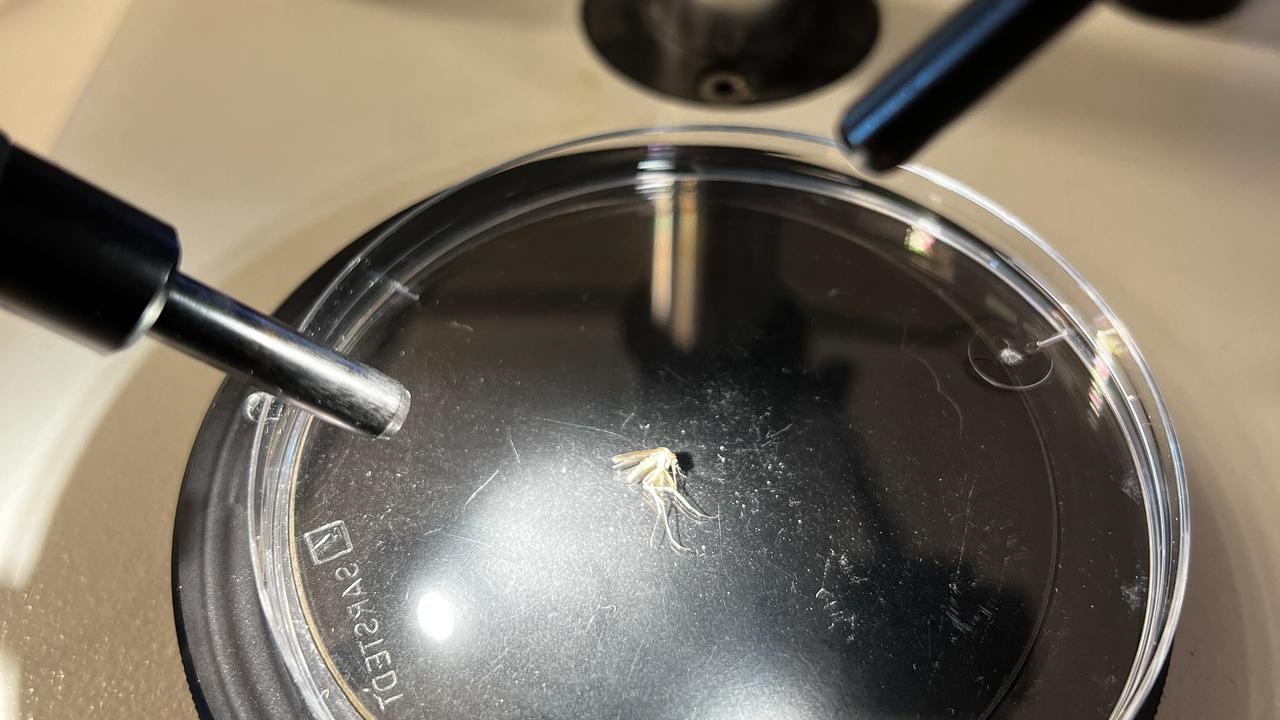
Her research focuses on whether Swedish mosquitoes could transmit pathogens that are not yet established in the country, including West Nile virus. The virus naturally circulates among birds but can, under certain circumstances, also infect humans. She is currently studying virus infections in both mosquitoes and birds in Sweden and is experimentally investigating whether wild-caught Swedish Culex mosquitoes could act as vectors.

At the same time as researchers work to understand and prevent mosquito-borne diseases, it is worth remembering one important fact: nature also depends on the species we would most like to be without.

Facts: Summer’s smallest biting insects (Diptera)

Blackflies and biting midges are best known for their irritating bites. Unlike mosquitoes, they do not normally transmit serious diseases, but they can be a significant nuisance during the summer.

Blackflies (about 60 species)
Small, black flies (2–6 mm long) that bite and often occur in swarms near running water.

Biting midges (more than 160 species)
Tiny flies, often less than 2 mm long, whose bites can cause intense itching and irritation.

For more information, please contact:

Ellen Bushell
Research fellow
E-mail
Email
Anders Sjöstedt
Professor, senior consultant (attending) physician
E-mail
Email
Olivia Wesula Luande
Research fellow
E-mail
Email