

"False"
Skip to content
printicon
Main menu hidden.
Published: 2026-10-02

Why a food poisoning bacterium can cause severe wound infections

NEWS The toxin NheABC, produced by Bacillus cereus, is particularly active in the pH conditions found in open wounds. Researchers at Umeå University found that the toxin damages both cell membranes and mitochondria and helps the bacterium establish infection in wounded tissue.

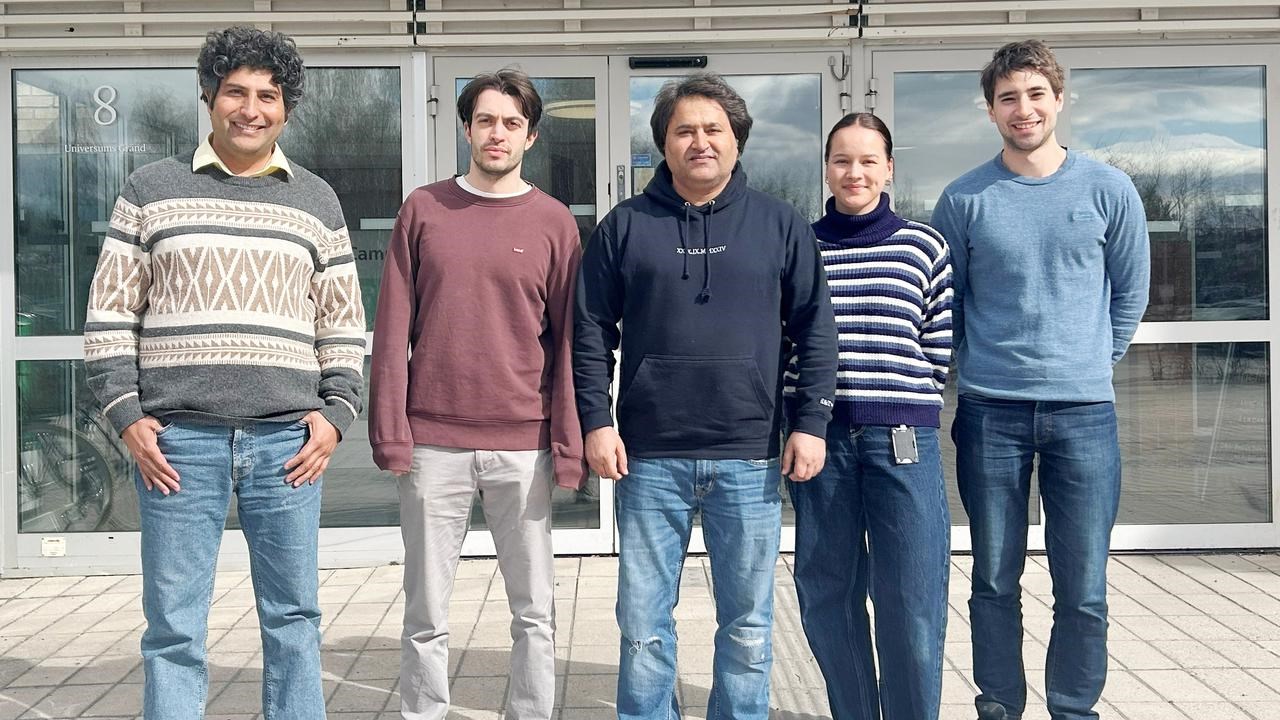
“Our findings strengthen the view that disease-causing bacteria within the B. cereus group detected in deep or infected wounds should not always be dismissed as harmless contamination,” says Abdelbasset Yabrag, PhD student at the Department of Molecular Biology, Umeå University, and one of the study's two first authors.

Bacteria belonging to the B. cereus group are found almost everywhere, including in soil, dust and food, and are best known for causing food poisoning. The same group of bacteria can also cause serious infections outside the gastrointestinal tract, including in open wounds. However, it has so far remained unclear which factors enable the bacterium to cause such damage.

The researchers showed that the NheABC toxin makes small holes in cell membranes and causes significant damage to mitochondria. Experiments using artificial membranes revealed that certain lipids in mitochondria such as cardiolipin enhance the damaging effects of the toxin.

The wound environment determines the toxin's effect

The most surprising finding concerned acidity. The toxin's harmful activity was significantly lower under acidic conditions than at neutral or alkaline pH levels. Chronic wounds can develop a more alkaline environment due to the presence of blood, tissue fluids and metabolic byproducts such as ammonia. This may create conditions that favor bacterial growth and colonization. In a mouse model of wound infection, NheABC contributed to increased bacterial colonization and a stronger local inflammatory response.

This differs from the MakA toxin produced by the cholera-causing bacterium Vibrio cholerae, which the same research group has previously shown to be activated under acidic conditions.

“If toxin activity depends on the surrounding environment, this could open up new ways of reducing tissue damage during infections. In the future, it may be possible to target the wound environment itself, rather than focusing solely on the bacterium,” says Aftab Nadeem, researcher at the Department of Molecular Biology, Umeå University, and senior author of the study.

The study was carried out in collaboration between researchers at Umeå University, the Norwegian University of Life Sciences, and Lund University, and was published in the scientific journal Cell Communication and Signaling.

About the study:

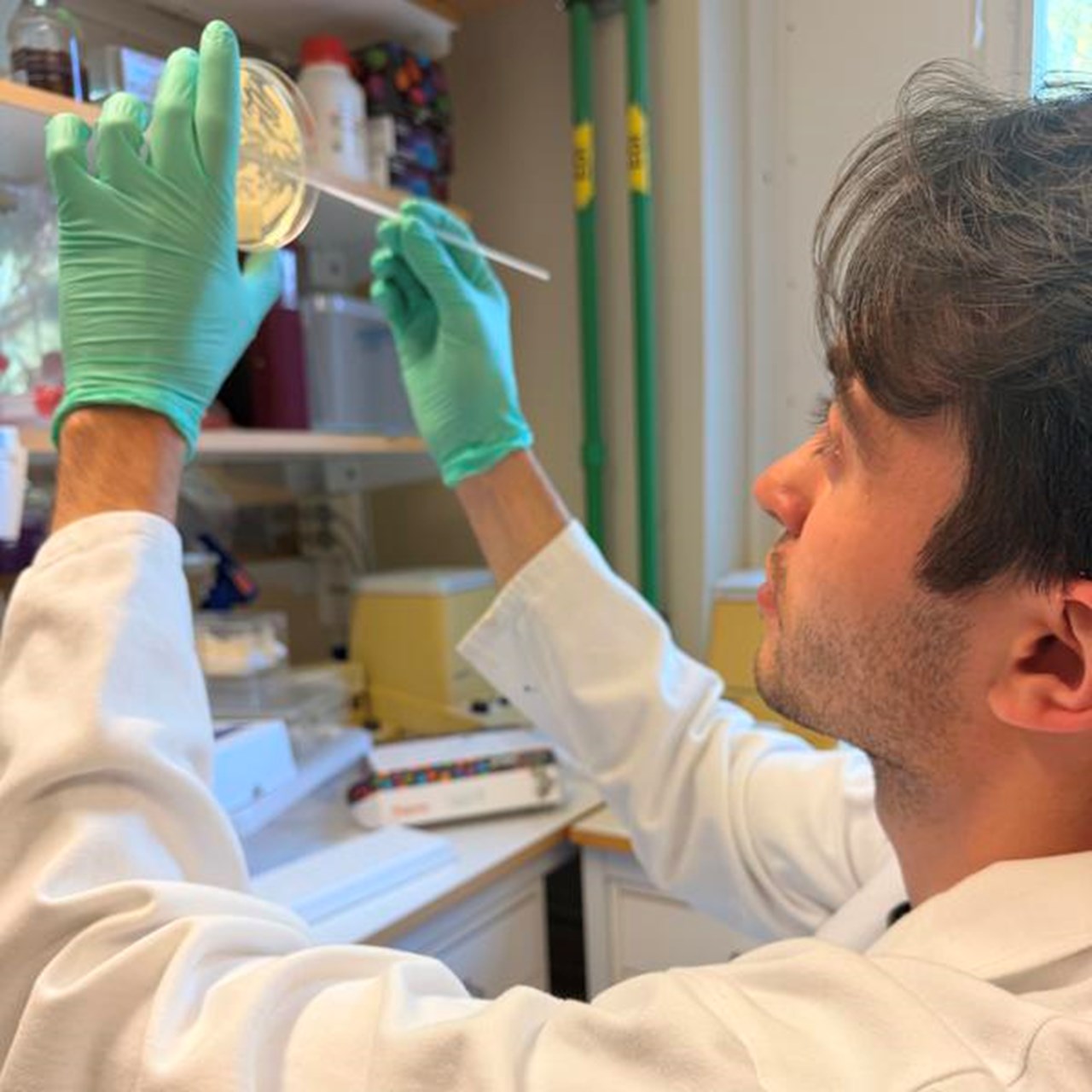
The researchers combined several experimental models, including human cells grown in two- and three-dimensional systems, laboratory-grown mini-guts (intestinal organoids), artificial cell membranes, advanced microscopy, and a mouse model of wound infection.

Facts about the NheABC toxin

NheABC is a three-component pore-forming toxin produced by bacteria within the Bacillus cereus group. When the toxin comes into contact with human cells, it forms small holes in their membranes, disrupting normal cellular function. In the present study, the researchers also show that the toxin directly targets and damages mitochondria, the energy-producing structures of the cell. Toril Lindbäck was the researcher who discovered this toxin in 2003. She also took part in this study.

About the scientific publication:

Naeem Ullah, Abdelbasset Yabrag, Anne Yska, Raswati Pant, Vignesh Ramnath, Toril Lindbäck, Laura M. Carroll, Manoj Puthia och Aftab Nadeem: NheABC is a pH-dependent cytotoxin that targets mitochondria and contributes to the virulence of Bacillus cereus in wound infections. Cell Communication and Signaling 24, 500 (2026).

https://doi.org/10.1186/s12964-026-03235-x

For more information, please contact:

Aftab Nadeem
Research fellow
E-mail
Email
Abdelbasset Yabrag
Doctoral student
E-mail
Email