


"False"
Skip to content
printicon
Main menu hidden.
Published: 2026-07-09

Five questions about the virus that still frightens the world

NEWS How dangerous is the Ebola virus, and how great is the risk of it spreading beyond Africa? We asked Professor Niklas Arnberg at Umeå University to answer five questions about one of the world’s most feared viruses.

Ebola is once again causing concern in Africa

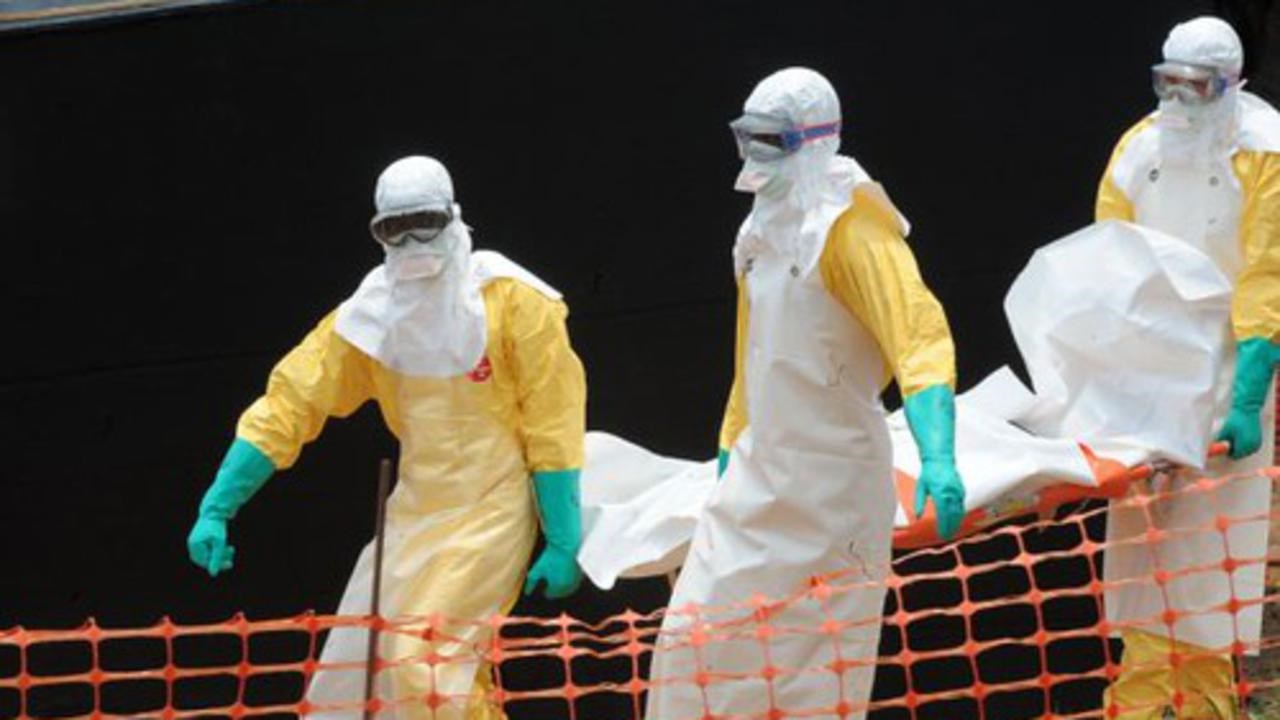
Ebola is once again causing concern in Africa. A major outbreak – caused by the Bundibugyo virus – is currently ongoing in the eastern Democratic Republic of the Congo and has also spread to Uganda. At the same time, researchers and healthcare professionals are working intensively to contain the outbreak and develop better methods for diagnosis, treatment, and prevention.

What makes the Ebola virus so dangerous compared with many other viruses?

“Ebola causes a ‘typical’ flu-like illness and diarrhoea, often accompanied by high fever and severe aches and pains. What makes the virus particularly dangerous, however, is that it also attacks blood vessels in various organs, leading to the characteristic bleeding from body openings that is often seen in images of Ebola patients, as well as tissue and organ damage.”

What are the biggest challenges for healthcare systems when trying to stop an Ebola outbreak?

“The first challenge is providing the intensive care needed by those who become seriously ill. The second is preventing further transmission, including protecting healthcare workers themselves from infection.”

How great is the risk that an outbreak in Central Africa could spread to Europe or Sweden?

“The risk is very low. There may be occasional imported cases, but I consider the risk of sustained person-to-person transmission in Sweden to be extremely small.”

What progress has research made in recent years regarding Ebola vaccines and treatments?

“Vaccines have been developed against all Ebola virus species except the one currently spreading in the Democratic Republic of the Congo and Uganda. Efforts are now underway to develop a vaccine against the current Bundibugyo variant as well.”

What questions does research still need to answer to better prevent future Ebola outbreaks?

“Following the experiences of the COVID-19 pandemic, the world is better prepared to deal with new Ebola outbreaks. However, we still lack effective antiviral drugs, which highlights the importance of continued basic research. Greater knowledge about Ebola viruses can lead to improved diagnostics, new treatments, and even more effective vaccines.”

Facts: Bundibugyo Virus

The Bundibugyo virus causes a severe form of Ebola disease. In previous outbreaks, between 30 and 50 percent of infected individuals have died. The virus can spread from animals to humans and subsequently between people through contact with blood or other bodily fluids. Fruit bats are believed to be the virus’s natural host reservoir. The incubation period ranges from two to 21 days. Common symptoms include fever, fatigue, headache, and muscle pain. In severe cases, the disease can lead to organ failure and bleeding. There is currently no approved vaccine or specific treatment for Bundibugyo virus disease. Outbreak control therefore relies on early detection, isolation of infected individuals, patient care, contact tracing, and safe burial practices. The virus is named after the Bundibugyo District in western Uganda, where it was first identified.

For more information, please contacat: