

NEWS A tiny parasite causes disease in around 280 million people every year, yet much of its biology still remains a mystery. Researcher Ellen Bushell is studying the malaria parasite at the molecular level to identify the genes that play a crucial role in the infection process. She is mapping the parasite’s innermost functions to find its weaknesses, and hopefully, contribute to future treatments.
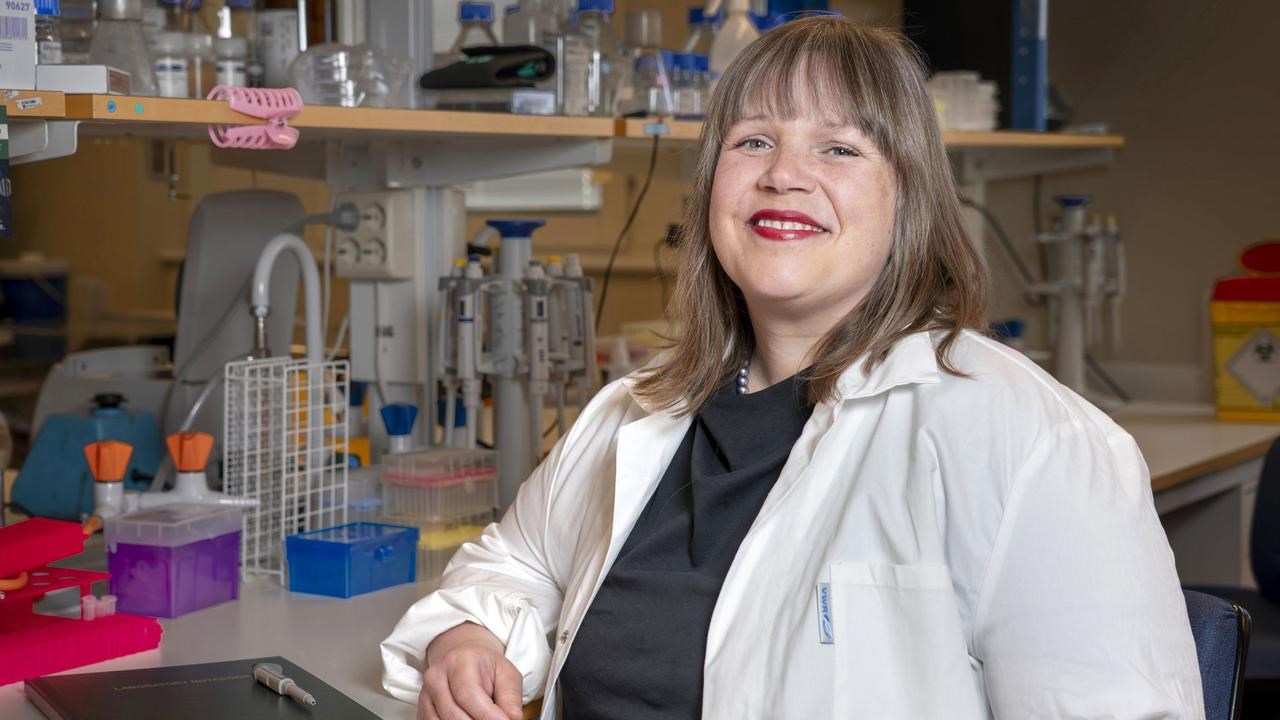
Ellen Bushell, researcher at the Department of Molecular Biology at Umeå University and Wallenberg Academy Fellow.
ImageJohan GunseusWe are trying to understand what the parasite’s genes do
This article was produced by the Knut and Alice Wallenberg Foundation.
Bushell heads a research team at Umeå University that is studying the most fundamental functions of the malaria parasite. Their research operates at the molecular level, focusing on what actually happens inside the body when the infection takes hold.
“We are trying to understand what the parasite’s genes do. To do so, we are developing and using genetic tools that enable us to inactivate numerous genes at once to see which ones are necessary for the parasite to grow and cause disease,” says Bushell.
Malaria is caused by parasites of the Plasmodium genus, which carry around 5,000 genes. Despite decades of research, many of them are still poorly characterized. Bushell’s research is intended to gradually fill in those gaps.
A critical stage is when the parasite infects red blood cells. That is when symptoms occur – including the cyclical fever characteristic of malaria, which comes and goes and can also lead to anemia. In severe cases, life-threatening complications can occur. But what happens at the cellular level is far more complex than the symptoms suggest.
“The parasite takes over the blood cell and remodels it. It creates its own system of proteins and membranes that enable it to survive, take up nutrients and protect itself. This is quite a radical transformation of a cell that is otherwise very simple.”
Ellen Bushell is Wallenberg Academy Fellow and teceived a prolongation grant 2024 from Knut and Alice Wallenberg Foundation.
