

NEWS Understanding how bacteria influence one another is essential for understanding how microbial communities are formed and maintained. Researchers at Umeå University have now systematically mapped interactions between common gut bacteria, creating one of the most comprehensive datasets of its kind. Published in Nature Communications, the study reveals that inhibitory interactions dominate, while also identifying mechanisms through which some bacteria promote the growth of others.
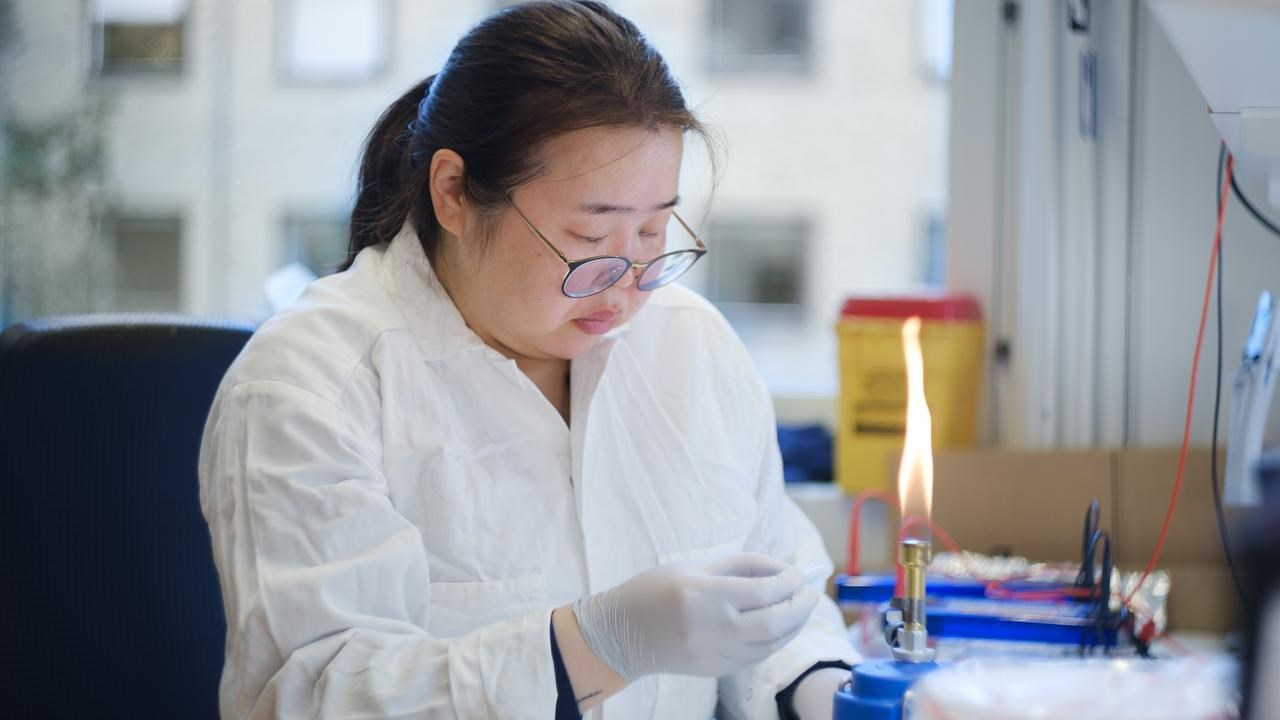
Bolor Buyanbadrakh, postdoctoral fellow at the Department of Chemistry
ImageSimon JönssonThe human gut contains hundreds of microbial species that form complex communities linked to digestion, immune function, and resistance to infection. Despite their importance, the interactions between many microbial species remain poorly understood.
By testing more than 1,200 interactions between 36 representative gut bacterial species, the researchers created one of the most comprehensive datasets of its kind.
The results showed that most interactions were negative, meaning that one species limited the growth of another. A major reason was that bacteria altered their environment, particularly by changing its pH, making it more acid.
–Our results show that competition is a dominant feature of the gut microbiome. At the same time, we found specific examples of cooperation and identified the molecular mechanisms behind them, says Bolor Buyanbadrakh, postdoctoral fellow at the Department of Chemistry at Umeå University and first author of the study.
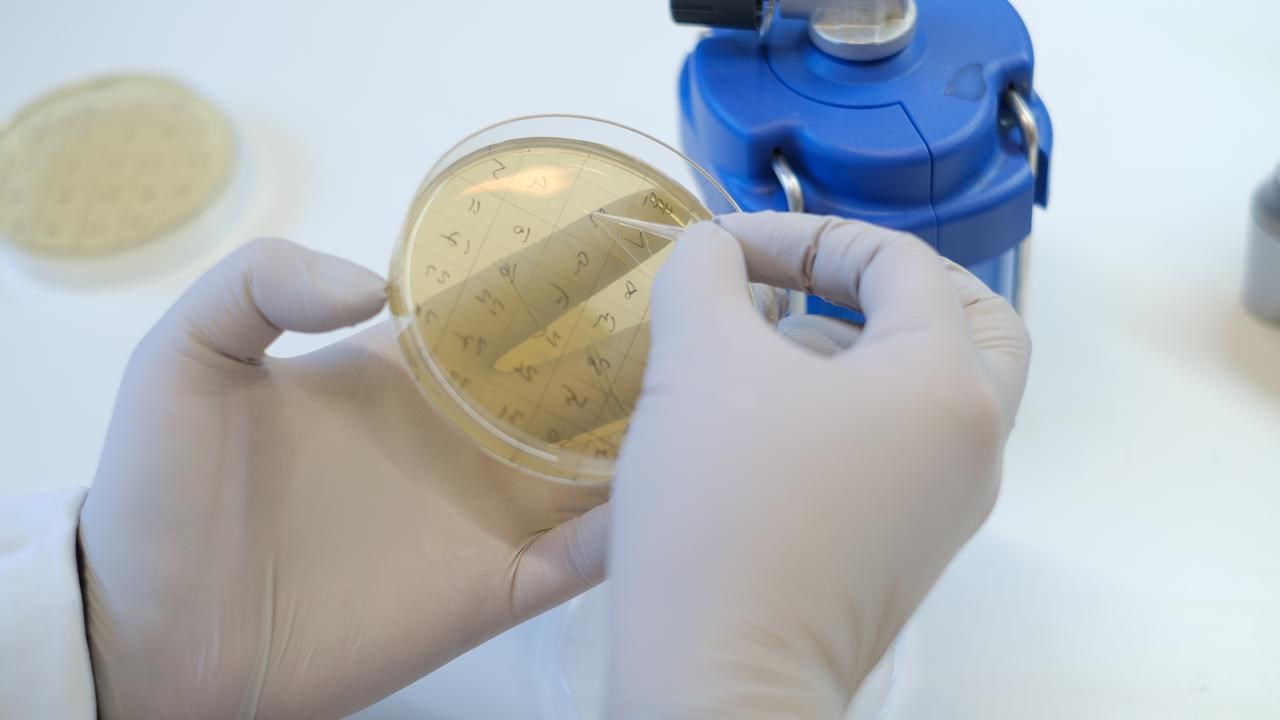
One finding was that Clostridium perfringens promotes the growth of Mediterraneibacter gnavus through the release of extracellular vesicles, tiny particles released by bacteria that can carry molecules between cells. The study provides evidence that such vesicles can directly influence the growth of another bacterial species.
The researchers also discovered that Veillonella parvula can increase the pH of its surroundings, counteracting acidification caused by other bacteria. This change allowed acid-sensitive species, such as Parabacteroides merdae, to grow more effectively, even in more complex microbial communities.
–Understanding how bacteria influence each other is essential if we want to predict or eventually manipulate microbiome composition in a rational way. Our work provides both a large interaction dataset and mechanistic insights that move the field in that direction, says André Mateus, assistant professor at the Department of Chemistry, team leader at The Laboratory for Molecular Infection Medicine Sweden (MIMS), and senior author of the study.

André Mateus, assistant professor at the Department of Chemistry
ImageMattias PetterssonBy revealing both competitive and cooperative mechanisms among gut bacteria, the study provides a foundation for predicting how microbial communities form and change over time.
The study was carried out through a collaboration between researchers at the Department of Chemistry, the Department of Molecular Biology, The Laboratory for Molecular Infection Medicine Sweden (MIMS), and the Umeå Centre for Microbial Research (UCMR) at Umeå University. In addition to the Mateus group, the work involved the research groups of Madeleine Ramstedt, Sun Nyunt-Wai, and Björn Schröder. The study was supported by funding from the Swedish Research Council, the European Research Council (ERC), the Knut and Alice Wallenberg Foundation, Kempestiftelserna, and Jeanssons stiftelser.
About the scientific publication:
Buyanbadrakh et al., Systematic profiling of growth interactions in human gut microbiome species. Nature Communications 2026, https://doi.org/10.1038/s41467-026-76526-z